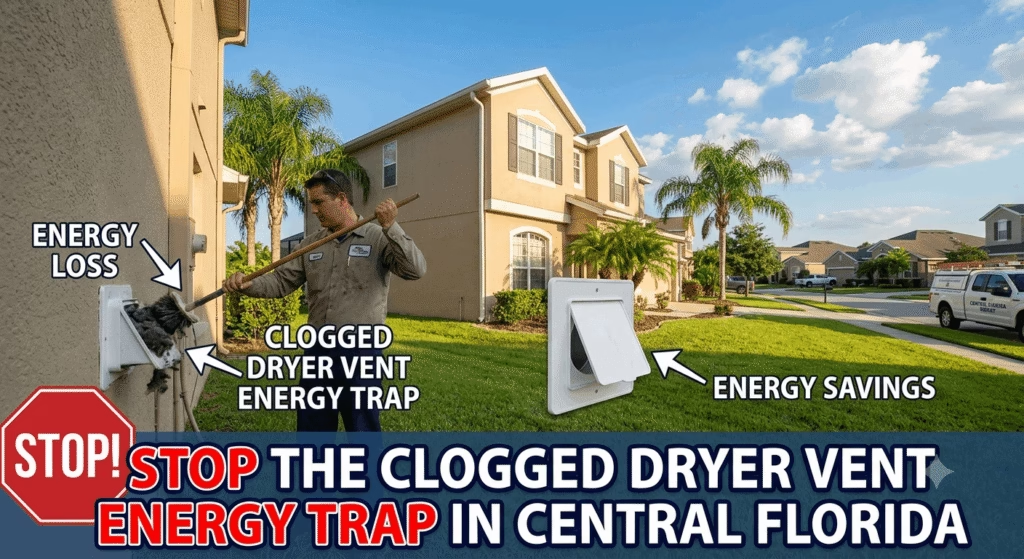
Stop the Clogged Dryer Vent Energy Trap in Central Florida
A clogged dryer vent is a primary cause of skyrocketing summer electric bills for homeowners across Central Florida. When lint restricts the exhaust line, your appliance must run twice as long to dry a single load of clothes. This hidden structural issue can quietly add hundreds of dollars to your operational budget while creating a serious fire hazard. As of 2026, regional energy costs are climbing, making appliance efficiency more critical than ever. Adjusting your thermostat won’t protect your wallet if your laundry room is actively draining power.
📌 Key Takeaways
-
Energy Waste: A restricted line doubles cycle times, adding up to $300 annually to your power bills.
-
HVAC Strain: Trapped heat escapes into your living space, forcing your AC to work much harder.
-
Safety Risks: Overheated lint accumulation is a leading cause of residential structural fires.
-
DIY Pitfalls: Retail brush kits often break or compact lint deeper inside hidden wall cavities.
-
Pro Solution: Certified extraction restores clear airflow metrics and guarantees structural compliance.
Table of Contents
-
Calculate the Financial Toll of Poor Laundry Efficiency
-
Discover the Physics Behind Skyrocketing Power Bills
-
Uncover How Lint Buildup Overworks Your Central HVAC
-
Identify the Debris Choking Your Ventilation System
-
Spot the Warning Signs of a Restricted Exhaust Line
-
Avoid the Hidden Trap of Retail DIY Cleaning Kits
-
Choose Certified Professional Extraction for Real Savings
-
Restore Home Performance with Always A Sweep
Calculate the Financial Toll of Poor Laundry Efficiency
Quick Answer: Operating an appliance with a clogged dryer vent forces it to draw maximum current for extended periods. This inefficiency causes standard 45-minute dry times to double, directly compounding your monthly electrical costs.
Operating a clothes dryer under ideal conditions requires a massive amount of electrical energy or gas. In fact, research shows that major laundry appliances rank among the top energy consumers in standard residential environments. When lint blocks this system, efficiency plummets immediately.
The True Cost of Double Cycles
For residents living in high-temperature zones like Orlando, Lakeland, or Kissimmee, peak summer utility rates make any drop in appliance efficiency incredibly expensive. When a system struggles against restricted airflow, standard cycles quickly stretch to 90 or 120 minutes.
Running back-to-back cycles just to dry a single load of towels directly increases your monthly utility bills. Over a standard Florida summer, this unnecessary energy consumption can waste hundreds of dollars. By integrating regular preventative maintenance alongside your standard chimney sweep services, you can close the loop on hidden household energy drains.
📊 Data Point: According to data tracked by the U.S. Department of Energy, residential clothes dryers account for approximately 4% of total household energy consumption when functioning correctly. This percentage can triple when airflow is restricted.

Looking to lower your monthly utility bills and reduce your carbon footprint? 🌿 Upgrading to high-quality energy efficient home appliances is one of the smartest investments you can make for your household. From eco-friendly refrigerators to low-energy washing machines, discover how to maximize your savings and find the best appliance rebate programs right here in Austin, Texas. Save this pin for your next kitchen remodel! #EnergyEfficiency #GreenLiving #AustinTexas #KitchenRemodel #HomeAppliances
Discover the Physics Behind Skyrocketing Power Bills
Quick Answer: Restricted airflow creates internal system backpressure that traps humid air inside the drum. This forces high-wattage heating coils to stay activated, causing a major surge in power consumption.
To understand why a restriction causes such a massive spike in energy use, you have to look at the basic physics of thermodynamics and airflow. A clothes dryer works by drawing in air from the surrounding room. It passes this air over heavy heating elements, tumbles it through wet laundry to lift moisture, and pushes that hot, humid air outside through an exhaust duct.
Understanding Static Backpressure
When fine textile fibers, pet dander, and debris bypass your primary lint screen, they collect along the ridges of your internal ductwork. Over time, this buildup restricts the pathway, choking off the air your dryer needs to function.
This restriction causes several immediate problems:
-
Elevated Backpressure: The internal exhaust blower meets extreme resistance, forcing the motor to draw more electrical current.
-
Moisture Redeposition: Humid air cannot escape the drum, meaning moisture settles back into your fabrics instead of leaving the house.
-
Extended Heating Element Activation: Because the internal thermostat senses that the clothes are still damp, the high-wattage heating coils stay turned on for extended periods.
💡 Expert Insight: In my years servicing Central Florida homes, I have seen modern dryers register internal temperatures over 180°C when completely choked. This heat melts internal components and permanently damages clothing fibers long before a fire breaks out.
Uncover How Lint Buildup Overworks Your Central HVAC
Quick Answer: A clogged dryer vent releases extreme radiant heat and humidity back into your laundry area. This ambient temperature spike forces your central air conditioning system to run longer to keep your home cool.
The financial damage caused by a restriction goes far beyond the laundry room wall. In Central Florida, your home’s appliances operate within a delicate ecosystem that revolves around your central HVAC system. When hot, humid air cannot escape to the exterior of your property, it migrates into your living spaces.
The Laundry Room Greenhouse Effect
Your laundry closet or room quickly transforms into a high-temperature zone. This localized heat dome forces your central air conditioning unit to work harder to maintain a comfortable thermostat setting.
You are essentially paying double for the same operational failure. First, you pay for the extended appliance cycle. Second, you pay for your air conditioner to remove the extra heat generated by that same cycle.
⚠️ Common Mistake: Many homeowners try to remedy laundry heat by turning down their central AC. This actions creates an even heavier draw on your electrical grid without solving the root ventilation block.
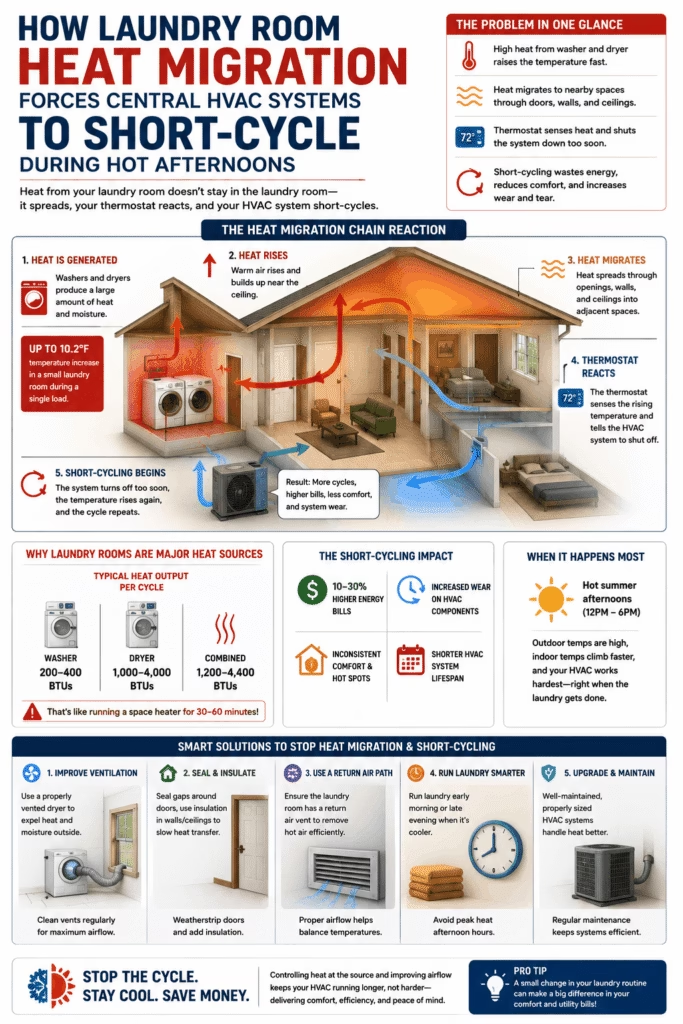
Is your AC cutting off too quickly during peak heat hours? 🏜️ Learn how laundry room heat migration forces central HVAC short cycling on hot afternoons, driving up your utility bills and stressing your cooling system in Phoenix, Arizona. Discover the 5-step chain reaction and how smart fixes—like improved ventilation, sealing doors, and running laundry during cooler hours—can protect your system and keep your home comfortable. Save this pin for better AC performance this summer! #HVACMaintenance #ShortCycling #PhoenixAZ #HomeCoolingTips #EnergyEfficiency
Identify the Debris Choking Your Ventilation System
Many property owners assume that lint is the only thing that can block a line. In reality, a residential ventilation system faces a variety of obstructions over time. High outdoor humidity mixed with loose fibers creates a sticky paste that clings tightly to the walls of your ductwork.
Common Materials Found in Blocked Lines
-
Fine Fabric Fibers: Tiny threads that slip past the mesh lint screen during high-heat tumbling.
-
Animal Nesting Materials: Birds, rodents, and wasps frequently build nests inside open exterior vent hoods during the spring.
-
Condensation Paste: Heavy atmospheric moisture mixing with loose dust to form a dense cement-like lining.
-
Crushed Transitions: Flexible foil lines behind the dryer that get kinked when the machine is pushed too close to the wall.
✅ Quick Tip: Inspect your exterior wall terminal monthly. If the louvers or plastic flaps do not flutter open fully when the machine is running, you are dealing with an active airflow obstruction.
Spot the Warning Signs of a Restricted Exhaust Line
What are the clear indicators that your ventilation infrastructure is failing? Catching an airflow issue early can protect your wallet before your next utility bill arrives. If your household shows any of the following symptoms, you are likely dealing with a severe structural blockage:
Red Flags Your System Needs Immediate Service
-
Clothes Take Multiple Cycles to Dry: Standard laundry loads require more than one full cycle to dry completely.
-
The Dryer Gets Scalding Hot: The top or sides of the machine feel incredibly hot to the touch during operation.
-
A Burning Smell: You notice a distinct, hot, musty odor or a faint burning smell in your laundry room.
-
Exterior Vent Flaps Don’t Open: The outside vent hood cover stays closed or barely moves when the machine runs.
-
Excessive Lint Accumulation: Large amounts of lint accumulate behind the machine or around the door seal.
Avoid the Hidden Trap of Retail DIY Cleaning Kits
Quick Answer: Retail cleaning kits lack the structural rigidity and industrial suction required to safely clear deep blockages. They frequently snap inside wall cavities or compact lint into impenetrable plugs.
When homeowners notice their clothes are taking too long to dry, many try to save a quick buck by buying cheap, retail DIY brush kits online or at big-box hardware stores. However, industry experts and safety organizations strongly warn against trying to clear these hidden structural lines yourself.
The Physics of DIY Failures
Using flexible nylon rods attached to a standard handheld power drill frequently leads to expensive structural damage hidden inside your walls. Cheap consumer rods are simply not designed to handle complex architectural duct paths. When forced through tight bends or multi-floor vertical runs, these plastic rods can snap, leaving the brush head stuck deep inside your walls.
Even worse, without professional-grade suction equipment, manual brushing often just shoves loose lint deeper into the line. This action compacts the debris into a solid, impenetrable plug. This hidden blockage cuts off airflow completely, instantly turning a minor efficiency issue into an immediate fire hazard.
Choose Certified Professional Extraction for Real Savings
Safely clearing a clogged dryer vent requires commercial-grade tools, technical experience, and accurate diagnostic equipment. Professional technicians don’t rely on guesswork; they use specialized systems to clean your lines from the inside out without risking damage to your home.
Professional Extraction vs. DIY Methods
Professional service teams utilize high-velocity air compressors, reverse-skipping air nozzles, and industrial HEPA-filtered vacuum containment units. This advanced equipment pulls packed debris out of your walls safely, keeping your indoor air completely clean throughout the process.
| Maintenance Criteria | Professional Structural Extraction | Retail Consumer DIY Kit |
| Airflow Diagnostics | Digital anemometer testing before & after | Visual guesswork only |
| Debris Containment | Industrial negative pressure vacuums | Messy room discharge |
| Duct Safety Assurance | Zero structural stress on hidden pipe joints | High risk of hidden detachment |
| Internal Inspection | High-definition micro-camera verification | None |
| Safety Certification | Full compliance with NFPA 211 standards | None |
Additionally, certified technical teams understand the strict mechanical building protocols outlined by the International Association of Certified Home Inspectors (InterNACHI). They ensure your ducting uses approved rigid materials, features proper support hangers, and terminates safely outside your living space.
Restore Home Performance with Always A Sweep
You don’t have to let an inefficient appliance drive up your summer living expenses. At Always A Sweep, we provide comprehensive, code-compliant solutions tailored for Central Florida homeowners. Our certified technicians have the specialized tools and experience needed to completely clear your clogged dryer vent, lowering your energy costs and protecting your home from fire hazards.
Our Verified Multi-Step Restoration Process
We back every service with precise digital airflow testing. This metric gives you clear proof that your ventilation system has been fully restored to factory specifications. We diagnose hidden structural defects, remove heavy condensation paste, and clear line blockages without causing internal wall damage.
Protect your appliances, cut down your drying times, and stop overpaying on your monthly utility bills. Contact the team at Always A Sweep today to book your comprehensive system inspection and keep your home safe and efficient all summer long.
Frequently Asked Questions About Dryer Vent Safety
How often should a dryer vent be cleaned in Florida?
Research shows that residential lines should be professionally cleaned at least once every 12 months. Households with large families or pets may require bi-annual cleanings to keep pace with rapid lint accumulation.
Can a clogged dryer vent cause a house fire?
Yes, according to reports from the National Fire Protection Association, restricted exhaust pathways are a leading cause of residential clothes dryer fires. Overheated heating elements ignite the trapped, highly flammable fabric fibers inside the wall ductwork.
Why is my dryer hot but clothes are still damp?
When a clogged dryer vent limits airflow, hot, moist air cannot escape the appliance drum. The moisture continuously redeposits onto your fabrics, extending drying times even though internal temperatures remain incredibly high.
What is the average price for professional vent clearing?
Standard professional extraction services typically range from $125 to $250, depending on the length and accessibility of your duct infrastructure. This maintenance expense quickly pays for itself via immediate utility bill reductions.
Will clearing my line lower my monthly electric bill?
Yes, removing a severe airflow restriction can reduce your appliance’s cycle run times by 50%. This structural restoration directly cuts down your monthly electrical consumption, lowering your summer cooling and operational costs.