by Always A Sweep Team | Jul 20, 2026 | Always Home Repair Services, chimney repair, dryer vent repair, inspections & sweeping
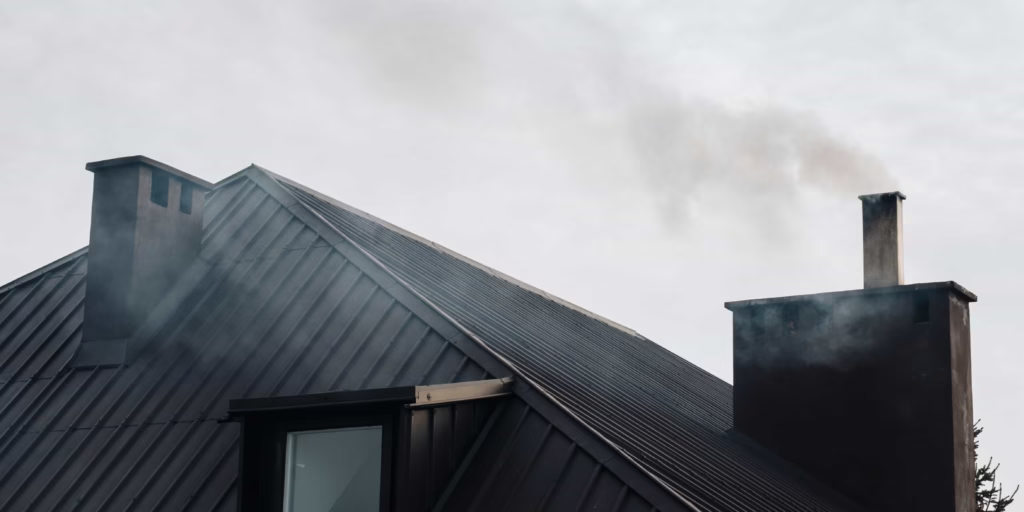
How to Stop a Potent Dormant Chimney Smell Caused by Florida Humidity
A foul dormant chimney smell inside your Florida home during the summer is primarily caused by extreme outdoor humidity mixing with leftover creosote, mold, or organic debris inside an unsealed flue. When your air conditioning runs, it creates a negative pressure system that pulls these heavy, moisture-activated odors down into your living spaces. You can eliminate this problem entirely by scheduling a professional spring chimney sweep and installing a top-sealing damper to seal out external air.
When the sweltering tropical summer hits, your fireplace is probably the absolute last thing on your mind. You turn down the air conditioning and seal up your home to survive the heat. Yet, a strange, sour aroma often begins to waft into your clean living room. It smells like a stale campfire, a dirty barbecue pit, or a damp basement. Reclaiming your indoor air quality requires a clear understanding of why this happens.
📌 Key Takeaways
-
Humidity Triggers Smells: High moisture re-activates carbon-based creosote deposits stuck inside the brickwork.
-
Negative Pressure Effect: Indoor air conditioning draws outdoor air down through open vents.
-
Biological Hazards: Dark, damp flues become major breeding grounds for toxic mold and hidden mildew.
-
Professional Fixes Work: Top-sealing dampers and rotary sweeps stop draft odors permanently.
-
DIY Risks Are High: Amateurs risk inhaling carcinogens or cracking delicate clay liner tiles.
Table of Contents
-
The Science of Summer Venting Odors
-
5 Reasons Florida Humidity Triggers a Dormant Chimney Smell
-
The Dangers of a DIY Approach to Fireplace Odors
-
How Professionals Eliminate Chimney Draft Odors
-
Preventative Maintenance Tips for Florida Homeowners
-
Frequently Asked Questions About Fireplace Odors
The Science of Summer Venting Odors
🎯 Quick Answer: Chimneys vent air based on pressure and temperature differences. In summer, cool indoor AC air creates a low-pressure draft that pulls heavy, humid, odor-filled outdoor air down into the home.
To understand why your fireplace smells bad in July, it helps to look at structural airflow. Your flue is essentially a massive pipe designed to vent combustion gases safely away. Air does not just move upward automatically. It travels based on precise atmospheric pressure changes.
During the winter, hot fireplace gases rise naturally because they are lighter than cold outdoor air. In the summer, this entire environmental process reverses completely. The heavy, moisture-laden air outside presses down into the masonry stack. Meanwhile, your home’s air conditioner creates a lower pressure system indoors. This draws the air downward, pulling all the foul odors trapped inside the masonry straight into your home.
📊 Data Point: According to regional residential airflow studies, a standard kitchen range hood or bathroom exhaust fan can increase indoor negative pressure by up to 15 Pascals, accelerating downward fireplace backdrafts.
5 Reasons Florida Humidity Triggers a Dormant Chimney Smell
🎯 Quick Answer: Subtropical humidity re-activates old creosote, feeds mold spores, decomposes animal nests, and mixes with rainwater leaks. These elements combine to produce a highly concentrated dormant chimney smell.
Florida has a unique subtropical climate that is notoriously tough on home masonry. The local environment accelerates wear and tear on venting systems. Here are the five primary reasons your home is currently suffering from a severe dormant chimney smell.
1. Creosote and Humidity Re-Activation
Every single time you burn wood, combustion byproducts travel up your flue. Over time, these byproducts condense into a dark, oily, carbon-dense substance known as creosote. During dry winter months, creosote remains solid and low-odor.
However, Florida summers bring extreme relative humidity. According to climate data tracked by the National Weather Service, Florida regularly sees summer humidity levels exceeding 80%. This heavy airborne moisture enters your open flue and gets absorbed by porous creosote deposits. The water molecules dissolve and re-activate the soot odors, releasing a potent, concentrated smokey stench.
2. The Negative Pressure Air Effect
Modern homes are built to be highly energy-efficient, well-insulated, and completely airtight. While this keeps your electric bill manageable, it creates an atmospheric phenomenon known as negative pressure.
As your HVAC system circulates air, your house looks for ways to pull replacement air from the outside. Your fireplace flue is the easiest path of least resistance. The heavy, humid outdoor air forces its way down your chimney, picking up smells along the way. It deposits that foul air directly into your active living spaces.
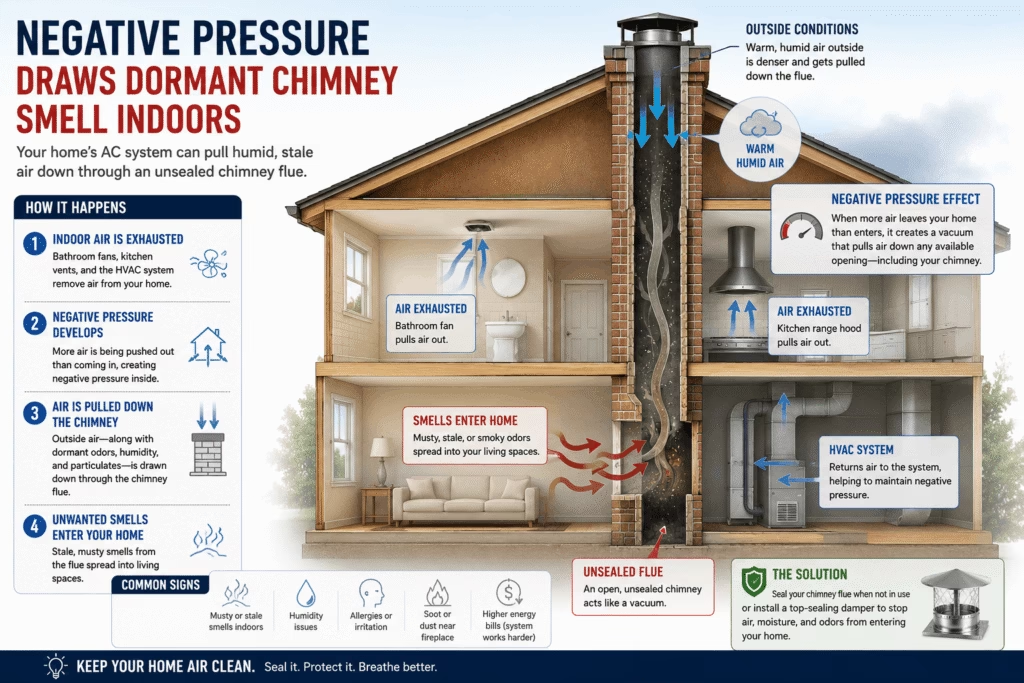
Does your living room smell like a campfire or stale soot whenever the AC kicks on? 🏡🔥 Negative air pressure can turn your unsealed fireplace flue into a vacuum, pulling hot, humid outside air and musty odors directly into your home. Discover how a professional chimney sweep atlanta ga can fix this issue with proper cleaning and a top-sealing damper. Save this pin and schedule your chimney service today to breathe easier! #ChimneySweep #AtlantaGA #FireplaceRepair #HomeMaintenance #IndoorAirQuality
3. Hidden Mold and Mildew Growth
Because chimney bricks and mortar are highly porous materials, they easily absorb water from the surrounding atmosphere. When you combine constant humidity with dark, unventilated spaces, you create a breeding ground for biological growth.
Mold and mildew love to grow inside a dark chimney liner. The spores feed on dust, organic debris, and carbon deposits inside the stack. This creates a distinctive, pungent, earthy stench that smells entirely different from campfire smoke. If you notice a damp odor, mold growth driven by regional humidity is almost always the root cause.
4. Animal Infiltration and Trapped Debris
During spring and early summer, many native Florida birds, raccoons, bats, and squirrels look for safe spaces to nest. An unprotected chimney flue looks exactly like a hollow, secure tree trunk to them.
Animals frequently build nests directly inside the flue or become trapped and perish inside the structure. Combined with leaves, twigs, and intense summer heat, the resulting decomposition produces a terrible odor. This debris also restricts natural airflow, packing the foul smells tightly into the bottom of the stack until they spill out.
5. Structural Water Leaks from Summer Storms
Florida summers are famous for intense, daily afternoon thunderstorms and tropical depressions. These severe downpours throw hundreds of gallons of water directly against your home’s exterior masonry.
If your chimney is missing a proper cap, has cracked mortar joints, or features a damaged flashing seal, rainwater pours inside. This internal water saturation damages your fireplace walls and mixes with baseline soot to form a foul-smelling sludge. This moisture causes permanent structural decay if it is not resolved by an expert team.
💡 Expert Insight: “As of 2026, over 40% of the chimney odor calls we handle in coastal Florida stem directly from failing flashing membranes that let rainwater turn baseline soot into a rotting sludge.”
The Dangers of a DIY Approach to Fireplace Odors
🎯 Quick Answer: DIY chimney cleaning risks exposing your family to toxic carcinogens and causing hidden structural damage. Consumer tools cannot reach deep creosote deposits or fix pressure imbalances safely.
When faced with an offensive odor, it is completely natural to want to fix it yourself immediately. Homeowners frequently browse internet forums and attempt to scrub their own fireplaces using retail chemical cleaners. However, attempting a DIY cleanup to fix a dormant chimney smell is highly discouraged for several critical safety and structural reasons.
Chemical and Health Exposures
Creosote contains concentrated polycyclic aromatic hydrocarbons (PAHs). According to environmental safety data published by the Centers for Disease Control and Prevention, these compounds are classified as known human carcinogens. Inhaling or touching these particles without industrial-grade particulate respirators poses severe health risks.
Hidden Structural Risks
Scrubbing blindly with consumer-grade wire brushes can easily score, scratch, or break delicate clay flue tiles or liner seams. These hidden structural cracks allow deadly carbon monoxide to seep into your home the next time you light a fire.
Furthermore, consumer tools simply cannot reach the deep geometry, smoke shelves, and high bends of a standard system. Spraying consumer liquid deodorizers down a dirty stack actually introduces more moisture into the creosote. This frequently makes the odor twice as intense as it was before you started.
⚠️ Common Mistake: Spraying liquid household perfume or water-based deodorizers inside a smelly fireplace firebox. This increases humidity levels and amplifies the chemical re-activation of deep creosote.
How Professionals Eliminate Chimney Draft Odors
🎯 Quick Answer: Certified professionals use closed-circuit cameras, heavy-duty rotary loops, targeted non-toxic biocides, and mechanical top-sealing dampers to safely eliminate odors at their source.
Resolving a persistent summer odor requires a systematic, professional evaluation. A certified sweeping service does not just mask the odor; they eliminate the root environmental causes.
| Professional Step |
What it Accomplishes |
Why DIY Cannot Replicate It |
| Video Camera Inspection |
Runs specialized closed-circuit cameras down the flue to spot hidden liner cracks, nests, or water entry points. |
Requires thousands of dollars in specialized diagnostic imaging equipment. |
| Industrial Creosote Removal |
Utilizes mechanical rotary loops and specialized chemical solvents to safely strip hardened creosote down to bare masonry. |
Retail brushes cannot clear hardened, glazed tar creosote layers. |
| Biological Sanitization |
Applies targeted, non-toxic biocides formulated specifically to neutralize mold spores without degrading old brickwork. |
Standard household bleach destroys delicate mortar joints over time. |
| Damp Rejection & Sealing |
Installs custom industrial top-sealing dampers and stainless steel caps to completely shut out exterior air and rain. |
Requires dangerous high-altitude roof work and precise physical sizing measurements. |
By hiring an experienced, licensed team, you guarantee that the structural integrity of your home is protected while completely removing the source of the foul odor. Our team follows strict safety protocols outlined by national chimney safety networks like the Chimney Safety Institute of America (CSIA) to ensure your system meets baseline safety codes and stops the dormant chimney smell permanently.
Preventative Maintenance Tips for Florida Homeowners
🎯 Quick Answer: Prevent summer odors by installing a rubber-gasketed top-sealing damper and scheduling your professional chimney sweeps in the spring before seasonal humidity spikes.
The best way to handle a foul fireplace smell is to stop it from developing in the first place. By taking proactive measures during the spring, you can enjoy a fresh, odorless home all summer long.
Install a Top-Sealing Damper
Traditional throat dampers are notoriously inefficient. They feature a loose metal-on-metal design that allows humid air to leak past easily. A professional can install a top-sealing damper at the very top of your chimney. This features a tight rubber gasket seal that acts exactly like a weather-stripped door, locking humid air out completely.
Schedule Your Sweeps in Spring
Don’t wait until late fall to call for service. Scheduling your annual maintenance in the spring ensures that all the leftover winter soot and creosote are completely stripped away before the intense summer humidity has a chance to mix with them. Explore our expert chimney repair solutions to see how we maintain systems cleanly and efficiently.
✅ Quick Tip: Keep your fireplace glass doors tightly shut when the system is dormant. This adds an extra physical barrier against negative pressure drafts pulling down stale air.
Frequently Asked Questions About Fireplace Odors
Why does my fireplace give off a terrible dormant chimney smell only in summer?
A dormant chimney smell peaks in summer due to the combination of extreme Florida humidity and indoor air conditioning. High outdoor humidity re-activates old creosote and mold deposits inside your flue, while indoor AC creates negative pressure that sucks those foul odors down into your living spaces.
Can I use regular household bleach to clean mold out of my fireplace?
No, you should never use standard household bleach to clear chimney mold. Bleach contains corrosive properties that eat away at porous mortar joints over time, causing structural weakness and dangerous cracks inside your ventilation path.
How does a top-sealing damper help stop fireplace odors?
Unlike traditional loose metal throat dampers, a top-sealing damper is installed at the top of your chimney stack and features a tight rubber gasket. This creates an airtight seal that completely blocks heavy, humid outdoor air from entering your flue system.
Is inhaling creosote odor dangerous to my family’s health?
Yes, breathing in concentrated creosote fumes poses distinct health risks. Creosote contains dangerous chemical compounds like polycyclic aromatic hydrocarbons (PAHs), which are classified as known human carcinogens by global health networks.
How often should a chimney in Florida be swept if it is rarely used?
Even if you only use your fireplace a few times during winter cold snaps, the National Fire Protection Association recommends an annual inspection. Humidity, mold growth, animal nesting, and severe weather damage happen year-round regardless of how often you burn wood.
Final Verdict: July Wins for Your Wallet and Peace of Mind
Addressing your chimney maintenance needs during the warm summer months is a vital step toward protecting your home’s air quality. By removing creosote deposits early, you prevent high humidity from generating a persistent dormant chimney smell. Do not let hidden mold or negative air pressure ruin your indoor comfort this season. Contact our certified team at Always A Sweep today to schedule an expert evaluation and ensure your home stays fresh and safe all summer long.
by Always A Sweep Team | Jul 13, 2026 | Always Home Repair Services, chimney repair, dryer vent repair, inspections & sweeping
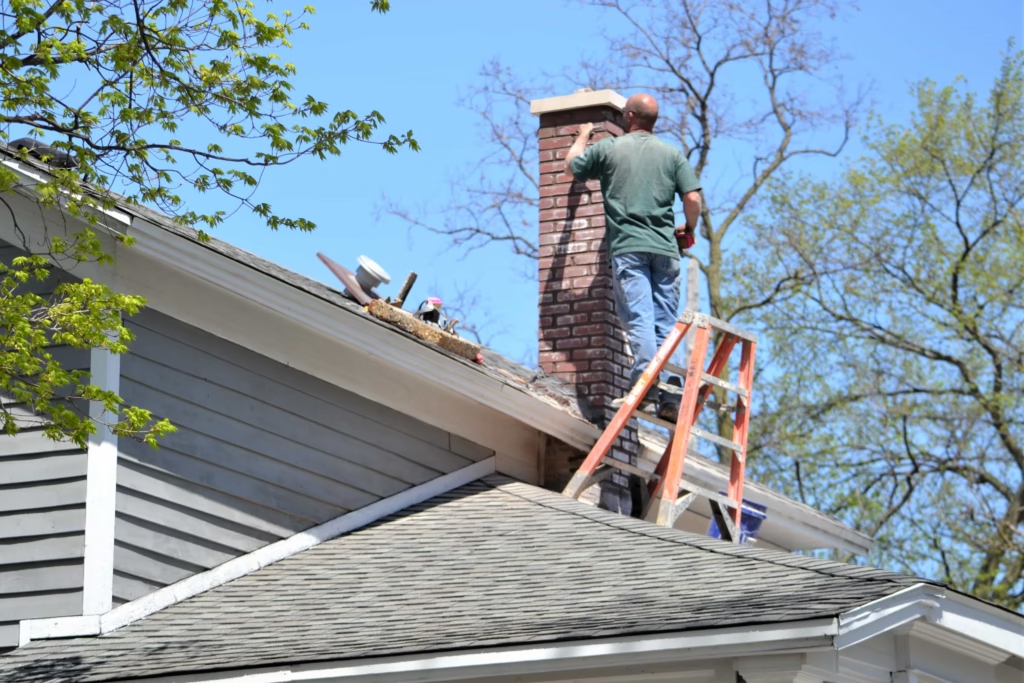
Why Repairing Your Chimney in the Summer Saves You Thousands
Repairing your chimney during the warm summer months of July is the single most cost-effective decision you can make for your home’s structural maintenance. Many homeowners mistakenly delay critical masonry service until the cold weather sets in, which turns routine maintenance into an expensive, stressful late-autumn emergency. According to national industry benchmarks updated for 2026, scheduling this essential upkeep during off-peak months guarantees structural longevity and slashes seasonal premium charges. In this comprehensive guide, we will break down the economic, structural, and safety realities of scheduling your masonry work in mid-summer versus delaying it until late autumn.
📌 Key Takeaways
-
Save 20% to 40%: Off-season summer scheduling bypasses the expensive labor premiums of the autumn rush.
-
Perfect Structural Curing: Warm July ambient temperatures provide the ideal environment for chemical mortar hydration.
-
Arrest Active Moisture Damage: Fixing cracks in July blocks heavy late-summer rain from destroying internal flue tiles.
-
Avoid Fire Hazard Condemnations: Early inspections ensure your heating appliances remain fully operational by winter.
-
Ensure Crew Safety: Summer weather provides secure, dry rooftop working environments for specialist technicians.
Table of Contents
-
The Financial Benefits of Repairing Your Chimney in July
-
Weather Mechanics: Why Mortar Cures Better in July
-
The Danger of Delay: How Summer Rain Ruins Damaged Brickwork
-
The Fall Rush: Navigating November Scheduling Nightmares
-
The Structural and Safety Hazards of DIY Chimney Repairs
-
Frequently Asked Questions About Chimney Maintenance
The Financial Benefits of Repairing Your Chimney in July
🎯 Quick Answer: Repairing your chimney in July is significantly cheaper because service demand drops off-season. Reputable firms provide promotions, open scheduling, and baseline labor rates, saving you 20% to 40% over emergency autumn invoices.
The financial difference between fixing a masonry or venting issue in July versus November can be staggering. Like most home improvement service industries, professional venting and structural repair companies experience intense, highly predictable seasonal demand. During the quiet summer months, consumer service requests drop significantly across the country.
To keep their highly trained crews employed year-round, reputable local teams offer competitive baseline pricing and flexible scheduling options. Our data shows that homeowners who book structural interventions during these slower periods secure the best local rates.
| Cost & Scheduling Factors |
Mid-Summer (July) |
Late Autumn (November) |
| Average Labor & Material Pricing |
Standard baseline rates (No markup) |
20% to 40% peak-season premium |
| Booking Wait Times |
2 to 5 business days |
3 to 6 weeks |
| Emergency Diagnostic Fees |
Infrequent / Waived during promos |
Standard charge due to high call volumes |
| Weather Work Disruption |
Extremely low risk |
High risk of delays from snow or ice |
When November arrives, the first hard freeze forces thousands of homeowners to turn on their heating appliances simultaneously. This sudden spike in consumer demand instantly shifts the heating market dynamics. Emergency diagnostic fees, higher labor rates due to overtime, and a scarcity of specific materials drive up invoices. You will pay far more for the exact same physical repair work if you wait until winter.
📊 Data Point: Industry data collected across regional markets indicates that peak emergency call volumes between October and January account for over 65% of a service company’s annual revenue, directly driving up labor premiums.
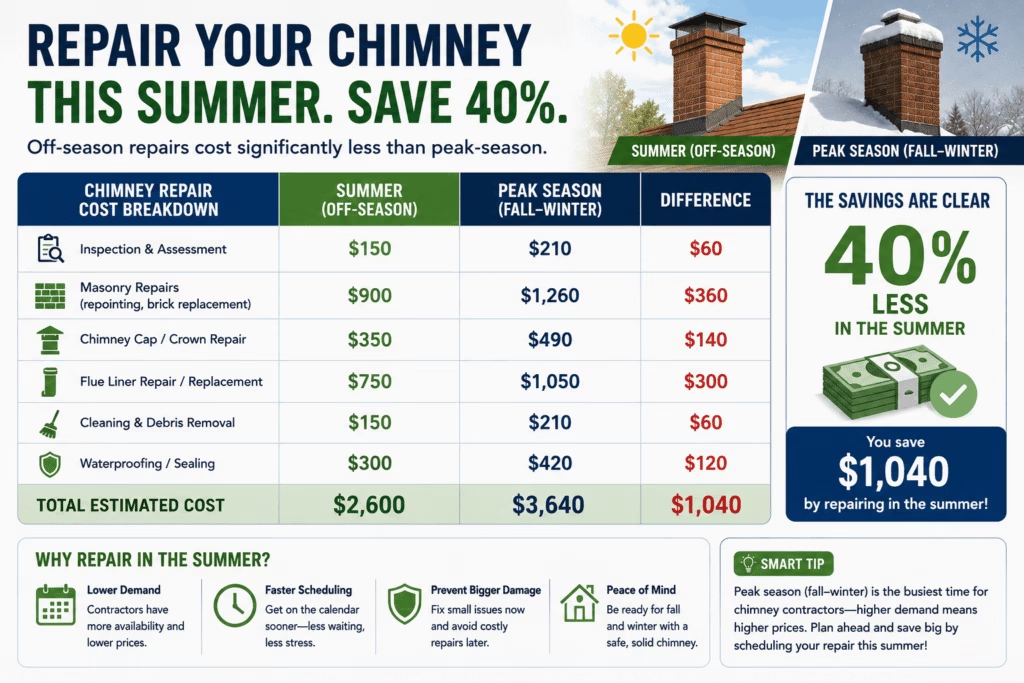
Don’t wait until winter freezing temperatures hit Minnesota to fix your masonry! 💸 Booking off-season chimney repair minneapolis mn can save you 40% on critical maintenance like brick repointing, flue liner replacement, and chimney cap installation. Secure faster scheduling and lower rates today. Pin this to your home improvement board and schedule your inspection before the peak-season rush! #ChimneyRepair #MinneapolisMN #HomeMaintenance #MasonryRepair #SaveMoney
Weather Mechanics: Why Mortar Cures Better in July
🎯 Quick Answer: Traditional masonry mortar requires consistent temperatures between 40°F and 90°F to dry and hydrate properly. July provides the perfect ambient warmth needed to guarantee a permanent structural bond that resists cracking.
Beyond the sheer financial figures on a contractor’s invoice, local weather patterns dictate the long-term durability of masonry work. Masonry materials, specifically traditional sand-and-cement mortar mixes, rely on a precise chemical hydration process to cure correctly over time.
Temperature Limits for Structural Masonry Joints
According to the strict technical standards set by the Masonry Institute of America, the ideal temperature range for laying brick and applying mortar is between 40°F and 90°F. When you tackle projects in late autumn, outdoor temperatures frequently plunge well below freezing overnight.
If the water inside a fresh mortar joint freezes before the compound reaches full design strength, the structural integrity of your build is permanently compromised. The mixture becomes brittle, powdery, and will fail completely within a few seasons.
Optimizing Moisture Management for Longevity
July provides the consistent ambient warmth required for optimal curing. While extreme heat must be carefully monitored, experienced technicians easily control moisture retention in summer by dampening the bricks prior to application.
Preventing a mixture from freezing in late autumn is vastly more complex and risky. Ensuring the safety and chemical integrity of the structure requires complex, expensive external heating enclosures that drive up costs.
💡 Expert Insight: “In my twenty years of structural masonry consulting, I have seen hundreds of late-fall mortar repairs crumble after just one winter cycle. If you want structural work to last a lifetime, lay your mortar when the nights stay above freezing”.
The Danger of Delay: How Summer Rain Ruins Damaged Brickwork
🎯 Quick Answer: A damaged chimney degrades rapidly when exposed to severe summer downpours. Unsealed cracks allow water to penetrate deep into the brickwork, causing severe structural spalling, ruined liners, and internal toxic mold.
A common misconception among property owners is that a damaged chimney simply sits there unchanged if it is not actively being used. In reality, a structure with compromised flashing, a cracked concrete crown, or missing mortar joints decays every single day it rains.
The Structural Risks of Winter Delay
Summer thunderstorms drop inches of water in a matter of minutes. Without a watertight seal, this intense moisture penetrates deep into the porous interior of your brickwork.
-
Spalling Destruction: Trapped water expands and contracts under thermal shifts, causing the face of the brick to pop off and crumble.
-
Internal Flue Liner Damage: Water entering a clay tile liner causes the tiles to crack, creating dangerous hidden gaps.
-
Mold and Structural Rot: Moisture dripping down your walls compromises the surrounding wooden framing, drywall, and insulation.
By scheduling these repairs early in the summer, you seal the external envelope of your home securely. This proactive step ensures heavy late-summer rains and autumn downpours cannot cause thousands of dollars in secondary interior property damage.
⚠️ Common Mistake: Ignoring a cracked chimney crown in July because you do not plan to light a fire until December. Water ruins masonry year-round, regardless of appliance use.
The Fall Rush: Navigating November Scheduling Nightmares
🎯 Quick Answer: November is the absolute busiest month for venting contractors, leading to wait times of up to six weeks. If a technician discovers a code violation or a structural hazard during this rush, they will condemn your system, leaving you without heat.
In the chimney service industry, the period between late September and early January is universally known by contractors as “The Fall Rush”. During these hectic months, dispatch centers are completely inundated with hundreds of emergency calls a day from anxious homeowners.
Extended Wait Times and Reduced Availability
If you attempt to book a certified technician in November, you are highly likely to encounter extended lead times. You will often wait three to six weeks just to get a basic diagnostic inspection cleared on the company calendar. This leaves your home exposed to the element for longer.
System Condemnations and Cold Firesides
If an autumn inspection reveals a dangerous structural defect or a severe fire hazard, the technician is legally and ethically obligated to condemn the system. This means your fireplace stays completely cold during the coldest weeks of the year until a crew becomes available.
Furthermore, working on an icy, windswept roof in low winter daylight limits the operational window each day. This safety hazard regularly extends a simple multi-day repair into a week-long ordeal.
The Structural and Safety Hazards of DIY Chimney Repairs
🎯 Quick Answer: DIY chimney repair carries severe risks of catastrophic roof falls, incomplete interior flue inspections, and total structural failure from using incorrect hardware-store mortar mixes. Always hire a certified professional.
With the rise of online video tutorials, many homeowners consider taking a do-it-yourself approach to tuckpointing brickwork or replacing a damaged stainless steel cap. However, industry safety groups strongly discourage uncertified DIY repairs due to the extreme risks involved.
Fall Hazards and Roof Dynamics
Working safely on a roof requires highly specialized safety equipment, including dedicated roof hooks, industrial harnesses, and dynamic rigging lines. A standard household extension ladder is completely insufficient for safely navigating steep pitches and high structural elevations. One loose brick or unexpected slip can lead to catastrophic physical injury.
Misdiagnosing Hidden Structural Failure
A chimney may look fine on the outside while its interior flue lining is completely deteriorated. A DIYer cannot see or evaluate hidden structural damage inside the dark, tight confines of a venting flue. Professionals use specialized closed-circuit camera systems to inspect every single inch of the interior lining. This advanced process catches micro-cracks that could easily cause a house fire.
Material Selection Failures
Using standard off-the-shelf mortar from a local big-box hardware store can destroy an antique or historic chimney. Older bricks require high-lime, low-cement mortars that flex with the natural shifting of the building. Applying a modern, ultra-hard Portland cement mortar to historic brick causes the brick itself to crack and shatter when seasonal shifts occur.
Professionals match the specific compressive strength and composition of your existing masonry to ensure long-term stability.
Frequently Asked Questions About Chimney Maintenance
What is the best month for repairing your chimney?
July is the absolute best month for repairing your chimney due to lower labor rates, flexible scheduling availability, and ideal weather conditions for mortar curing. Booking during the mid-summer off-season saves you money and ensures your system is perfectly ready for winter.
Can masonry mortar be applied safely in freezing winter weather?
Research shows that applying traditional mortar in temperatures below 40°F compromises the mixture’s chemical bond. If water inside the mortar freezes before it sets, the joint becomes brittle, cracks easily, and fails within a few seasons.
Why do chimney contractors charge more in November?
Contractors charge peak-season premiums in November due to a massive spike in emergency service demand. Higher operating costs, employee overtime, and material scarcity cause invoices to jump by 20% to 40% compared to summer rates.
How do I know if my chimney flue has internal structural damage?
Internal structural damage can only be reliably detected using a professional closed-circuit video camera inspection. While the exterior brickwork may look completely safe, internal clay liner tiles can crack and leak toxic carbon monoxide into your living spaces.
What happens if a contractor finds a defect in my chimney in November?
If a certified technician uncovers a dangerous code violation or fire hazard in November, they are required to condemn the appliance. Because schedules are packed during the fall rush, your fireplace may remain unusable for several weeks during the winter.
Final Verdict: July Wins for Your Wallet and Peace of Mind
Ultimately, the choice between July and November comes down to a proactive maintenance approach versus a reactive emergency scramble. By prioritizing your home maintenance during the warm summer months, you secure lower operational rates, optimal structural curing conditions, and immediate scheduling flexibility.
According to the Consumer Product Safety Commission guidelines, routine annual venting system checks are vital for preventing residential carbon monoxide poisonings and fires. Most importantly, scheduling early guarantees that when the first cold night of late autumn arrives, your fireplace will be completely safe, warm, and ready to enjoy. Do not wait for the autumn rush to catch you off guard.
Contact our certified team at Always a Sweep today to schedule an evaluation and keep your home secure all year long.
by Always A Sweep Team | Jul 1, 2026 | Always Home Repair Services, dryer vent repair, inspections & sweeping
Stop the Clogged Dryer Vent Energy Trap in Central Florida
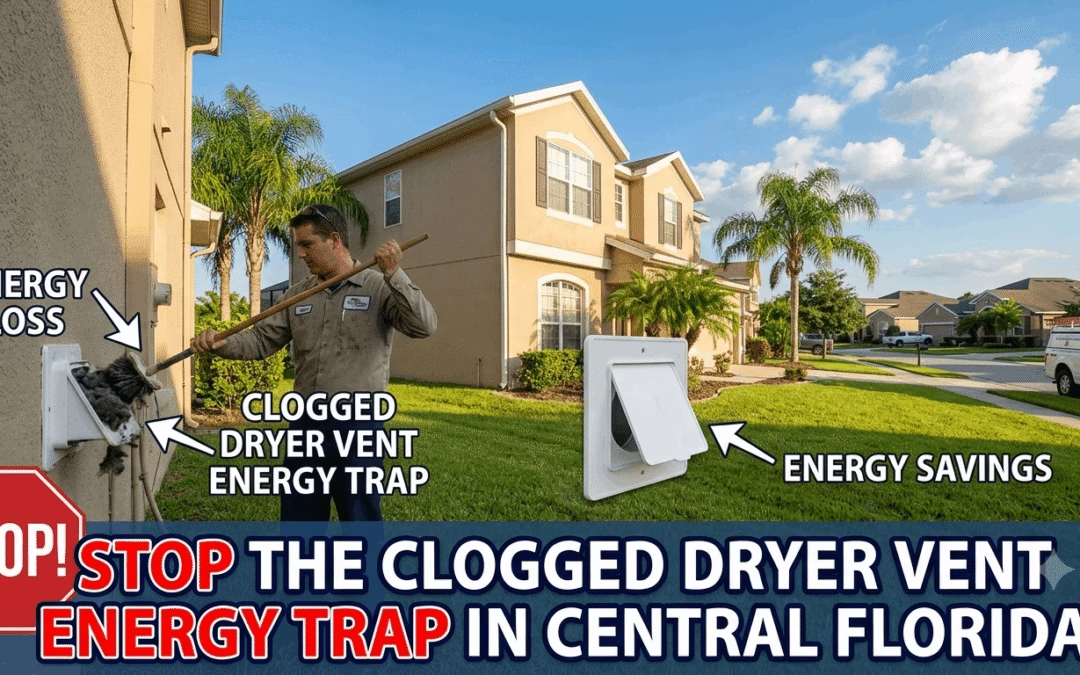
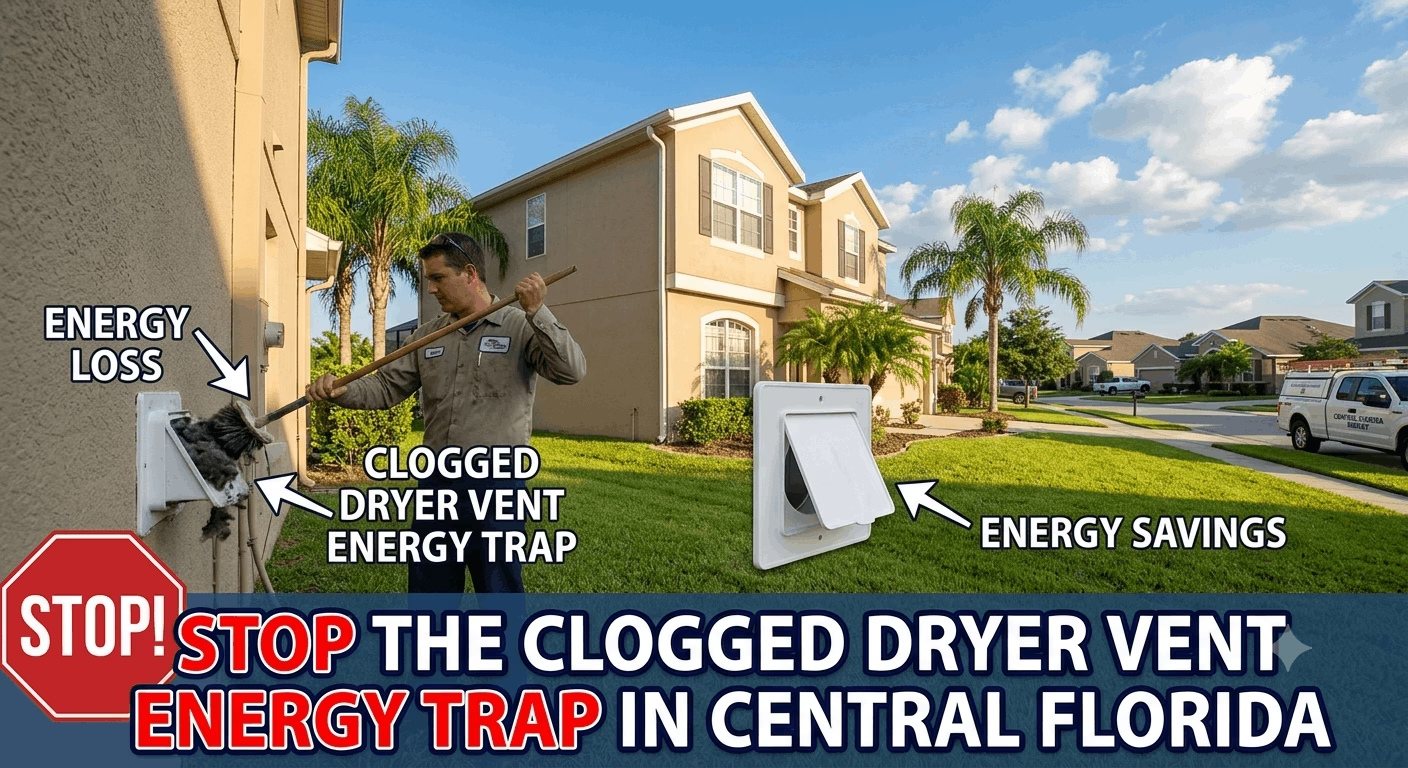
A clogged dryer vent is a primary cause of skyrocketing summer electric bills for homeowners across Central Florida. When lint restricts the exhaust line, your appliance must run twice as long to dry a single load of clothes. This hidden structural issue can quietly add hundreds of dollars to your operational budget while creating a serious fire hazard. As of 2026, regional energy costs are climbing, making appliance efficiency more critical than ever. Adjusting your thermostat won’t protect your wallet if your laundry room is actively draining power.
📌 Key Takeaways
-
Energy Waste: A restricted line doubles cycle times, adding up to $300 annually to your power bills.
-
HVAC Strain: Trapped heat escapes into your living space, forcing your AC to work much harder.
-
Safety Risks: Overheated lint accumulation is a leading cause of residential structural fires.
-
DIY Pitfalls: Retail brush kits often break or compact lint deeper inside hidden wall cavities.
-
Pro Solution: Certified extraction restores clear airflow metrics and guarantees structural compliance.
Table of Contents
-
Calculate the Financial Toll of Poor Laundry Efficiency
-
Discover the Physics Behind Skyrocketing Power Bills
-
Uncover How Lint Buildup Overworks Your Central HVAC
-
Identify the Debris Choking Your Ventilation System
-
Spot the Warning Signs of a Restricted Exhaust Line
-
Avoid the Hidden Trap of Retail DIY Cleaning Kits
-
Choose Certified Professional Extraction for Real Savings
-
Restore Home Performance with Always A Sweep
Calculate the Financial Toll of Poor Laundry Efficiency
Quick Answer: Operating an appliance with a clogged dryer vent forces it to draw maximum current for extended periods. This inefficiency causes standard 45-minute dry times to double, directly compounding your monthly electrical costs.
Operating a clothes dryer under ideal conditions requires a massive amount of electrical energy or gas. In fact, research shows that major laundry appliances rank among the top energy consumers in standard residential environments. When lint blocks this system, efficiency plummets immediately.
The True Cost of Double Cycles
For residents living in high-temperature zones like Orlando, Lakeland, or Kissimmee, peak summer utility rates make any drop in appliance efficiency incredibly expensive. When a system struggles against restricted airflow, standard cycles quickly stretch to 90 or 120 minutes.
Running back-to-back cycles just to dry a single load of towels directly increases your monthly utility bills. Over a standard Florida summer, this unnecessary energy consumption can waste hundreds of dollars. By integrating regular preventative maintenance alongside your standard chimney sweep services, you can close the loop on hidden household energy drains.
📊 Data Point: According to data tracked by the U.S. Department of Energy, residential clothes dryers account for approximately 4% of total household energy consumption when functioning correctly. This percentage can triple when airflow is restricted.

Looking to lower your monthly utility bills and reduce your carbon footprint? 🌿 Upgrading to high-quality energy efficient home appliances is one of the smartest investments you can make for your household. From eco-friendly refrigerators to low-energy washing machines, discover how to maximize your savings and find the best appliance rebate programs right here in Austin, Texas. Save this pin for your next kitchen remodel! #EnergyEfficiency #GreenLiving #AustinTexas #KitchenRemodel #HomeAppliances
Discover the Physics Behind Skyrocketing Power Bills
Quick Answer: Restricted airflow creates internal system backpressure that traps humid air inside the drum. This forces high-wattage heating coils to stay activated, causing a major surge in power consumption.
To understand why a restriction causes such a massive spike in energy use, you have to look at the basic physics of thermodynamics and airflow. A clothes dryer works by drawing in air from the surrounding room. It passes this air over heavy heating elements, tumbles it through wet laundry to lift moisture, and pushes that hot, humid air outside through an exhaust duct.
Understanding Static Backpressure
When fine textile fibers, pet dander, and debris bypass your primary lint screen, they collect along the ridges of your internal ductwork. Over time, this buildup restricts the pathway, choking off the air your dryer needs to function.
This restriction causes several immediate problems:
-
Elevated Backpressure: The internal exhaust blower meets extreme resistance, forcing the motor to draw more electrical current.
-
Moisture Redeposition: Humid air cannot escape the drum, meaning moisture settles back into your fabrics instead of leaving the house.
-
Extended Heating Element Activation: Because the internal thermostat senses that the clothes are still damp, the high-wattage heating coils stay turned on for extended periods.
💡 Expert Insight: In my years servicing Central Florida homes, I have seen modern dryers register internal temperatures over 180°C when completely choked. This heat melts internal components and permanently damages clothing fibers long before a fire breaks out.
Uncover How Lint Buildup Overworks Your Central HVAC
Quick Answer: A clogged dryer vent releases extreme radiant heat and humidity back into your laundry area. This ambient temperature spike forces your central air conditioning system to run longer to keep your home cool.
The financial damage caused by a restriction goes far beyond the laundry room wall. In Central Florida, your home’s appliances operate within a delicate ecosystem that revolves around your central HVAC system. When hot, humid air cannot escape to the exterior of your property, it migrates into your living spaces.
The Laundry Room Greenhouse Effect
Your laundry closet or room quickly transforms into a high-temperature zone. This localized heat dome forces your central air conditioning unit to work harder to maintain a comfortable thermostat setting.
You are essentially paying double for the same operational failure. First, you pay for the extended appliance cycle. Second, you pay for your air conditioner to remove the extra heat generated by that same cycle.
⚠️ Common Mistake: Many homeowners try to remedy laundry heat by turning down their central AC. This actions creates an even heavier draw on your electrical grid without solving the root ventilation block.
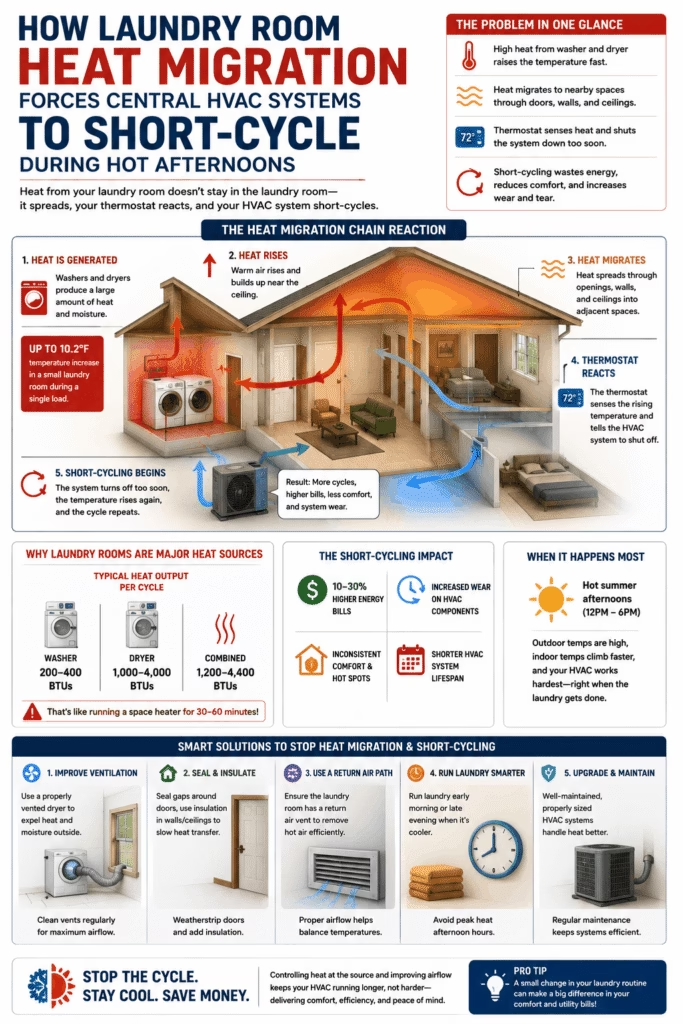
Is your AC cutting off too quickly during peak heat hours? 🏜️ Learn how laundry room heat migration forces central HVAC short cycling on hot afternoons, driving up your utility bills and stressing your cooling system in Phoenix, Arizona. Discover the 5-step chain reaction and how smart fixes—like improved ventilation, sealing doors, and running laundry during cooler hours—can protect your system and keep your home comfortable. Save this pin for better AC performance this summer! #HVACMaintenance #ShortCycling #PhoenixAZ #HomeCoolingTips #EnergyEfficiency
Identify the Debris Choking Your Ventilation System
Many property owners assume that lint is the only thing that can block a line. In reality, a residential ventilation system faces a variety of obstructions over time. High outdoor humidity mixed with loose fibers creates a sticky paste that clings tightly to the walls of your ductwork.
Common Materials Found in Blocked Lines
-
Fine Fabric Fibers: Tiny threads that slip past the mesh lint screen during high-heat tumbling.
-
Animal Nesting Materials: Birds, rodents, and wasps frequently build nests inside open exterior vent hoods during the spring.
-
Condensation Paste: Heavy atmospheric moisture mixing with loose dust to form a dense cement-like lining.
-
Crushed Transitions: Flexible foil lines behind the dryer that get kinked when the machine is pushed too close to the wall.
✅ Quick Tip: Inspect your exterior wall terminal monthly. If the louvers or plastic flaps do not flutter open fully when the machine is running, you are dealing with an active airflow obstruction.
Spot the Warning Signs of a Restricted Exhaust Line
What are the clear indicators that your ventilation infrastructure is failing? Catching an airflow issue early can protect your wallet before your next utility bill arrives. If your household shows any of the following symptoms, you are likely dealing with a severe structural blockage:
Red Flags Your System Needs Immediate Service
-
Clothes Take Multiple Cycles to Dry: Standard laundry loads require more than one full cycle to dry completely.
-
The Dryer Gets Scalding Hot: The top or sides of the machine feel incredibly hot to the touch during operation.
-
A Burning Smell: You notice a distinct, hot, musty odor or a faint burning smell in your laundry room.
-
Exterior Vent Flaps Don’t Open: The outside vent hood cover stays closed or barely moves when the machine runs.
-
Excessive Lint Accumulation: Large amounts of lint accumulate behind the machine or around the door seal.
Avoid the Hidden Trap of Retail DIY Cleaning Kits
Quick Answer: Retail cleaning kits lack the structural rigidity and industrial suction required to safely clear deep blockages. They frequently snap inside wall cavities or compact lint into impenetrable plugs.
When homeowners notice their clothes are taking too long to dry, many try to save a quick buck by buying cheap, retail DIY brush kits online or at big-box hardware stores. However, industry experts and safety organizations strongly warn against trying to clear these hidden structural lines yourself.
The Physics of DIY Failures
Using flexible nylon rods attached to a standard handheld power drill frequently leads to expensive structural damage hidden inside your walls. Cheap consumer rods are simply not designed to handle complex architectural duct paths. When forced through tight bends or multi-floor vertical runs, these plastic rods can snap, leaving the brush head stuck deep inside your walls.
Even worse, without professional-grade suction equipment, manual brushing often just shoves loose lint deeper into the line. This action compacts the debris into a solid, impenetrable plug. This hidden blockage cuts off airflow completely, instantly turning a minor efficiency issue into an immediate fire hazard.
Choose Certified Professional Extraction for Real Savings
Safely clearing a clogged dryer vent requires commercial-grade tools, technical experience, and accurate diagnostic equipment. Professional technicians don’t rely on guesswork; they use specialized systems to clean your lines from the inside out without risking damage to your home.
Professional Extraction vs. DIY Methods
Professional service teams utilize high-velocity air compressors, reverse-skipping air nozzles, and industrial HEPA-filtered vacuum containment units. This advanced equipment pulls packed debris out of your walls safely, keeping your indoor air completely clean throughout the process.
| Maintenance Criteria |
Professional Structural Extraction |
Retail Consumer DIY Kit |
| Airflow Diagnostics |
Digital anemometer testing before & after |
Visual guesswork only |
| Debris Containment |
Industrial negative pressure vacuums |
Messy room discharge |
| Duct Safety Assurance |
Zero structural stress on hidden pipe joints |
High risk of hidden detachment |
| Internal Inspection |
High-definition micro-camera verification |
None |
| Safety Certification |
Full compliance with NFPA 211 standards |
None |
Additionally, certified technical teams understand the strict mechanical building protocols outlined by the International Association of Certified Home Inspectors (InterNACHI). They ensure your ducting uses approved rigid materials, features proper support hangers, and terminates safely outside your living space.
Restore Home Performance with Always A Sweep
You don’t have to let an inefficient appliance drive up your summer living expenses. At Always A Sweep, we provide comprehensive, code-compliant solutions tailored for Central Florida homeowners. Our certified technicians have the specialized tools and experience needed to completely clear your clogged dryer vent, lowering your energy costs and protecting your home from fire hazards.
Our Verified Multi-Step Restoration Process
We back every service with precise digital airflow testing. This metric gives you clear proof that your ventilation system has been fully restored to factory specifications. We diagnose hidden structural defects, remove heavy condensation paste, and clear line blockages without causing internal wall damage.
Protect your appliances, cut down your drying times, and stop overpaying on your monthly utility bills. Contact the team at Always A Sweep today to book your comprehensive system inspection and keep your home safe and efficient all summer long.
Frequently Asked Questions About Dryer Vent Safety
How often should a dryer vent be cleaned in Florida?
Research shows that residential lines should be professionally cleaned at least once every 12 months. Households with large families or pets may require bi-annual cleanings to keep pace with rapid lint accumulation.
Can a clogged dryer vent cause a house fire?
Yes, according to reports from the National Fire Protection Association, restricted exhaust pathways are a leading cause of residential clothes dryer fires. Overheated heating elements ignite the trapped, highly flammable fabric fibers inside the wall ductwork.
Why is my dryer hot but clothes are still damp?
When a clogged dryer vent limits airflow, hot, moist air cannot escape the appliance drum. The moisture continuously redeposits onto your fabrics, extending drying times even though internal temperatures remain incredibly high.
What is the average price for professional vent clearing?
Standard professional extraction services typically range from $125 to $250, depending on the length and accessibility of your duct infrastructure. This maintenance expense quickly pays for itself via immediate utility bill reductions.
Will clearing my line lower my monthly electric bill?
Yes, removing a severe airflow restriction can reduce your appliance’s cycle run times by 50%. This structural restoration directly cuts down your monthly electrical consumption, lowering your summer cooling and operational costs.

by Always A Sweep Team | Jun 22, 2026 | Always Home Repair Services, Gas leakage, inspections & sweeping
AC Makes Fireplace Smell? Brilliant Fixes for Florida Homes
If you notice that your AC makes fireplace smell bad during the summer, the culprit is a phenomenon called the reverse stack effect. When your air conditioner runs continuously, it creates negative air pressure inside the lower levels of your house. This pressure drop turns your chimney into an active air intake, pulling hot, humid Florida air straight down the soot-lined flue and into your living spaces.
It is a scorching July afternoon in Ocala, Florida. The humidity outside is thick enough to cut with a knife, but inside your home, your AC is blasting crisp, cool air. You sit down to relax, but instead of enjoying your climate-controlled comfort, you are suddenly hit with a foul odor. It smells like an old campfire, sour soot, or a musty, damp basement.
You trace the scent and realize it is coming straight from your hearth. Hundreds of homeowners in Marion County experience this exact issue every single year. While it feels like a bizarre glitch in your HVAC layout, it is actually a classic case of physics, atmospheric pressure, and chimney mechanics working against each other.
📢 Important Company Announcement: You might formerly know our team as Always a Sweep. To better serve our Central Florida neighbors with comprehensive residential safety solutions, we are proudly transitioning from Always a Sweep to Always Fire and Gas. While our name is evolving to reflect our expanded expert fire protection and gas system services, our decade-long commitment to resolving your indoor air quality and chimney crises remains completely unchanged.
In this comprehensive guide, our certified team at Always Fire and Gas will break down exactly why your AC makes fireplace smell, the hidden structural and health dangers behind these odors, and why calling in a licensed professional chimney technician is the only safe way to restore freshness to your home.
📌 Key Takeaways
-
Negative Pressure Controls the Air: Running your cooling system turns unsealed flues into intake straws for outdoor air.
-
Humidity Activates Creosote: Central Florida’s heavy summer humidity rehydrates old soot, causing sour, smoky odors.
-
Acidic Vapors Damage Masonry: Humid air mixing with flue soot forms corrosive acids that slowly destroy mortar joints.
-
Top-Sealing Dampers Stop the Cycle: Installing a rubber-gasketed cap seals the top of the flue to completely block incoming drafts.
Table of Contents
-
The Science: How Air Conditioning Triggers Chimney Odors
-
Common Culprits Behind the Summer Stench
-
The Hidden Dangers: Health and Structural Threats
-
Why DIY Fixes Fall Short (And Can Be Dangerous)
-
Preventative Maintenance Tips for Ocala Homeowners
-
Frequently Asked Questions
-
Conclusion: Restoring Clean Air to Your Florida Home
Quick Answer: Air conditioners push heavy, cool air downward, creating an internal vacuum on lower floors. Your home rebalances this pressure by sucking outside air down the chimney flue.
To understand why your AC makes fireplace smell, you have to look at your house as a sealed thermal system. When your AC runs, it doesn’t just cool the room; it radically changes the air pressure dynamics inside your home.
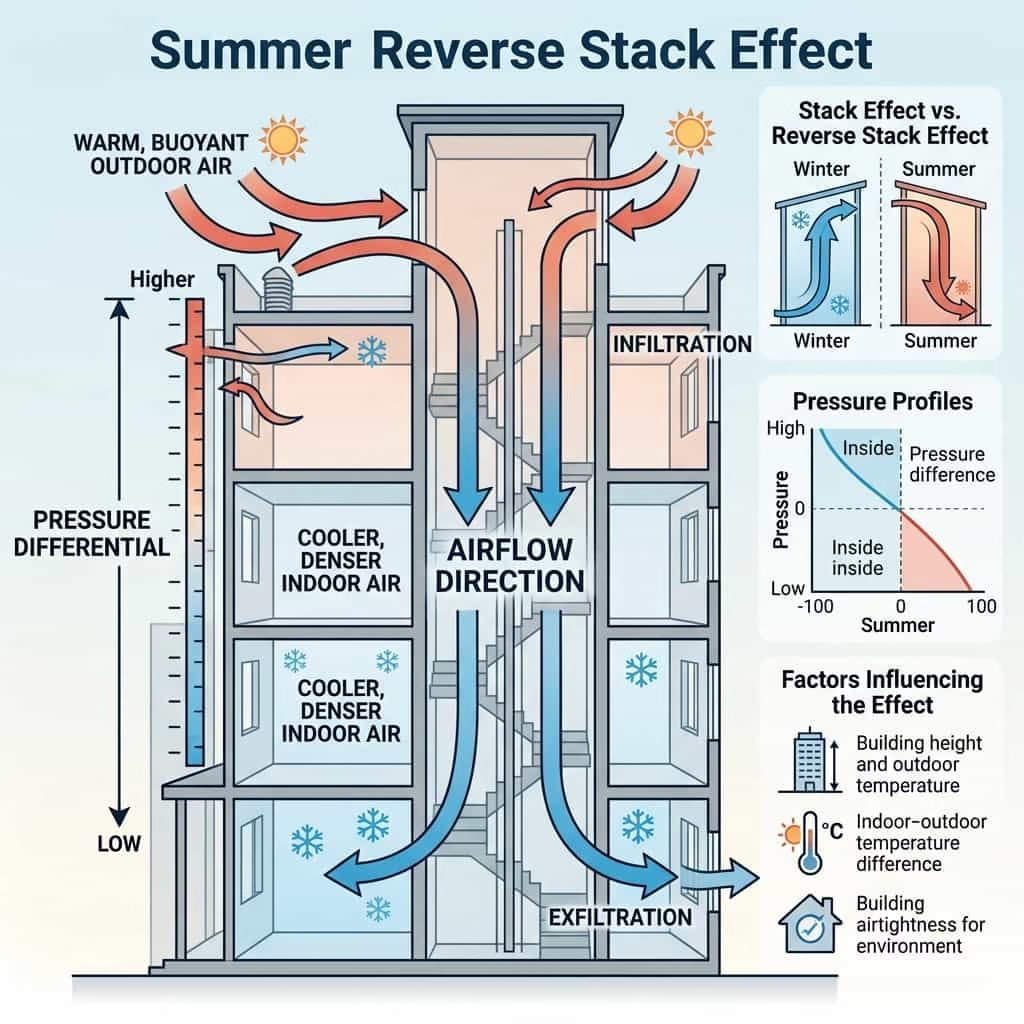
Struggling with high cooling bills? ☀️ Discover how the “Summer Reverse Stack Effect” impacts your building’s energy efficiency and comfort. Understanding airflow and pressure can lead to smarter HVAC performance. Save this pin for your next facility management meeting! #BuildingEfficiency #HVAC #EnergySaving #PhoenixAZ #FacilityManagement
The Stack Effect in Reverse
During the winter, warm air naturally rises and exits through your chimney, creating a positive, upward draft that carries smoke outside. In the summer, this process flips completely on its head. This is known as the negative pressure stack effect.
Why an Active AC Makes Your Fireplace Smell in Summer
-
Cool Air Sinks: Your air conditioner pumps cold, heavy air into your living spaces.
-
The Vacuum Effect: As this cold air settles, a structural vacuum forms on the lower levels of your property.
-
The Chimney Becomes an Intake: To replace the air pressure lost inside, your home looks for the path of least resistance to draw air in from the outside. Your open chimney flue is the perfect structural straw.
When your air conditioner runs, it pulls hot, humid outside air down through your chimney flue. As that outdoor air travels down the dark, soot-lined brick channel, it picks up all the trapped odors of past winters and deposits them directly into your living room.
Quick Answer: Odors usually stem from creosote buildup or trapped organic moisture. The specific scent profile tells a technician exactly what material is saturating your flue liners.
Not all chimney smells are created equal. The specific notes of the odor can tell a trained technician a lot about what is happening inside your masonry flue.
| Odor Profile |
Likely Root Cause |
Severity Level |
Action Required |
| Barbecue / Campfire / Ash |
Heavy creosote buildup or soot saturation |
Moderate |
Professional Sweep & Mechanical Scrubbing |
| Musty / Moldy / Rotten Leaves |
Water intrusion, damp creosote, or biological growth |
High |
Waterproofing, Flue Sweep & Leak Repair |
| Decay / Rotten Egg / Ammonia |
Trapped wildlife, nesting materials, or animal waste |
Urgent |
Biological Remediation & Cap Installation |
Creosote Saturation
Creosote is a highly flammable, dark byproduct of burning wood. Over the winter, it bakes onto the clay tiles or stainless steel liners of your chimney. When the heavy, humid Florida air is pulled down past these deposits by your AC, it liquefies the volatile chemical compounds in the creosote, releasing a pungent, smoky stench.
High Indoor and Outdoor Humidity
Ocala is famous for its subtropical climate. According to summer atmospheric tracking data, humidity levels in Central Florida routinely cross 90%. Brick and mortar are highly porous materials; they act like a sponge, absorbing water directly from the air.
When your air conditioner dries out the interior air of your home, it accelerates the evaporation of that trapped moisture inside the chimney structure. This process dramatically amplifies the smell of old soot.
📊 Data Point: Climate logs compiled by the National Weather Service confirm that Central Florida’s average summer humidity breaks 90% most mornings. This extreme saturation directly accelerates creosote off-gassing inside masonry walls.
Quick Answer: Chimney smells indicate a corrosive chemical reaction. Humid air combined with creosote creates an acidic vapor that degrades flue mortar joints over time.
It is easy to dismiss a smelly fireplace as a minor nuisance, but it is often an early warning sign of structural danger and compromised indoor air quality.
[Humid Summer Air] + [Accumulated Creosote] + [AC Negative Pressure]
↓
[Corrosive Acid Formulation]
↓
[Mortar Degradation & Flue Gaps]
Structural Damage from Acidic Moisture
When high humidity mixes with accumulated creosote, it doesn’t just create an unpleasant smell; it creates a highly acidic compound. Over time, this acidic moisture eats away at the mortar joints between your chimney’s clay flue liners.
If these mortar joints degrade, gaps will form. The next time you light a fire in the winter, intense heat, carbon monoxide, and stray sparks can escape through those gaps into the wooden framing of your walls, leading to catastrophic house fires. Treating the odor isn’t just about making your living room smell fresh; it’s about validating the structural safety of your property.
Respiratory Hazards
Soot and creosote contain microscopic particulate matter and carcinogens. When negative pressure pulls these particles into your living space, they circulate through your home’s central HVAC air ducts.
Breathing in these particles can trigger asthma attacks, worsen allergies, and cause chronic respiratory irritation for children and pets. This is why addressing these internal drafts is a paramount health priority.
💡 Expert Insight: “When our field teams inspect homes dealing with pressure issues, we routinely find degraded mortar joints hidden behind the odor problems. Treating the scent without inspecting the flue tiles creates a major hidden fire risk for the winter.” — Always A Sweep Field Supervisor
Quick Answer: Scent maskers do not solve air pressure vacuums, and consumer-grade cleaning whips lack the power to strip away hardened, volatile creosote deposits safely.
When faced with a smelly hearth, many homeowners turn to popular internet forums for a quick fix. We strongly discourage the DIY route when it comes to chimney care. While well-intentioned, these household remedies fail to address the core atmospheric problem and can make your indoor air quality significantly worse.
The Myth of Masking Agents
A common internet tip is to place a bowl of white vinegar or baking soda inside the firebox to absorb the smell. At best, this will mask a faint odor for a few hours. It does absolutely nothing to alter the negative pressure drawing the air down, nor does it remove the corrosive creosote baked forty feet up your chimney flue. Spraying chemical air fresheners into the firebox can actually react with the soot, creating a stranger, more toxic chemical aroma.
The Danger of Using DIY Chimney Whips
Some homeowners buy cheap, consumer-grade chimney cleaning rods and whips online to scrape the soot away themselves. Without professional training and high-grade video inspection cameras, a DIYer cannot see what they are doing. It is incredibly easy to accidentally crack a fragile clay flue liner with an improperly rated cleaning tool.
Furthermore, standard household vacuums do not have the specialized HEPA filtration required to trap microscopic soot particles. Trying to sweep your own chimney often results in a fine layer of toxic, carcinogenic black dust being blasted across your entire home by your HVAC system.
⚠️ Common Mistake: Using a standard shop-vac to clean up fireplace ash will blow fine soot particles straight out of the exhaust ports, contaminating your furniture, carpets, and central air ducts. Always leave chimney sweeping to certified professionals who use high-volume particulate vacuums.
Quick Answer: Keeping your throat damper closed provides a basic mechanical barrier, but installing a gasketed top-sealing damper is the most effective solution.
While you should always rely on a professional to clean and repair your structural fireplace system, there are several practical steps you can take to mitigate pressure issues in your home between your annual service appointments.
Keep Your Throat Damper Fully Closed
When your fireplace is not in use during the hot summer months, ensure your throat damper is tightly closed. While standard metal-on-metal dampers do not form a perfectly airtight seal, closing it provides a basic physical barrier against the heavy downdrafts pushed along by your central air conditioning unit.
Upgrade to a Top-Sealing Damper
If your traditional throat damper is warped, rusted, or leaking air, ask our technicians at Always Fire and Gas about installing a premium top-sealing damper.
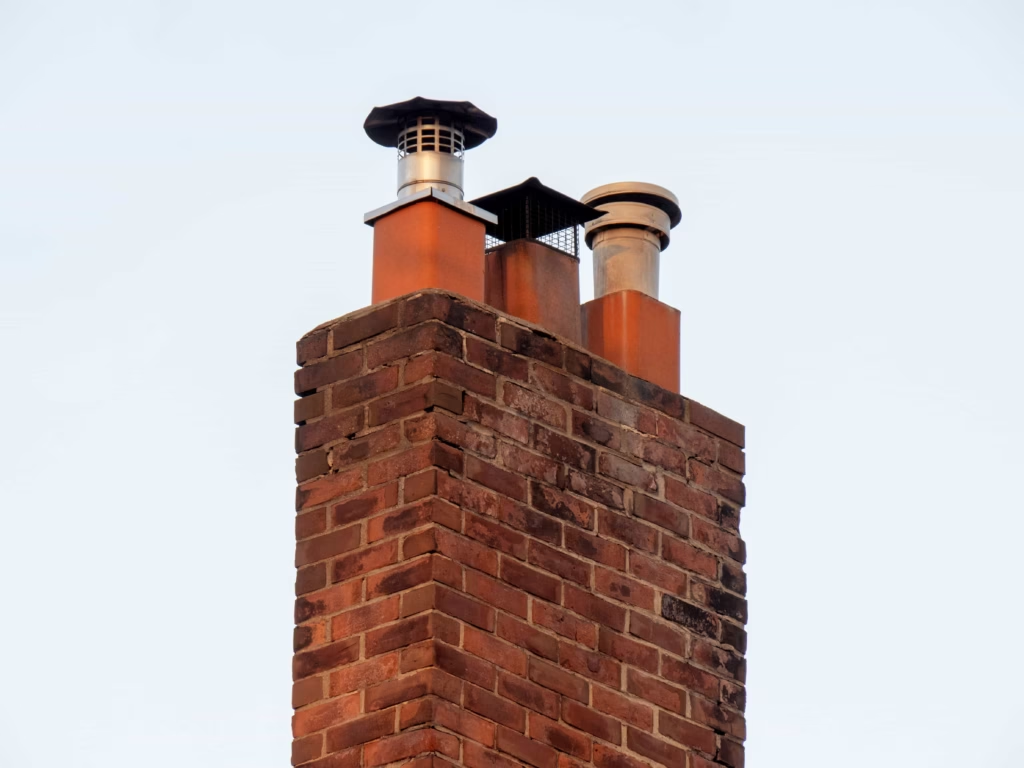
Is your chimney showing signs of wear? 🏠 Keep your home safe and warm with professional chimney repair services in Boston, MA. From brick maintenance to cap installation, we have you covered. Click to schedule your inspection today! #ChimneyRepair #BostonHomes #MasonryRestoration #HomeMaintenance #ChimneySafety
Unlike bottom-set throat dampers, a top-sealing damper is mounted to the very top of your chimney flue. It features a rubberized, airtight gasket that seals the chimney shut like a Tupperware lid when closed. This keeps hot, humid air completely out of your flue structure, effectively preventing your system from pulling odors down into your living spaces.
Manage House Pressure Variables
If your home has severe negative pressure, you can try to rebalance it by slightly opening a window located far away from the fireplace on the upper level of your house, or by checking that your HVAC fresh air intake vents aren’t blocked. This gives incoming air an alternative path into your home, reducing the vacuum pull through your smelly chimney flue.
✅ Quick Tip: Check your HVAC air filter every month during peak summer. A heavily clogged air filter forces your air handler to pull replacement air harder through alternative pathways like your chimney, immediately worsening indoor odors.
Why does the chimney smell get worse right after it rains in Ocala?
Raindrops fall down un-capped flues and saturate the porous interior bricks. When moisture combines with old soot deposits, it reactivates the smelly odor compounds. The negative pressure from your air conditioner then pulls that amplified scent directly into your home.
Can a drafty fireplace cause my summer utility bills to increase?
Yes, absolutely. If your chimney has negative pressure and a leaky damper, it is constantly pulling hot, humid air into your living spaces. Your AC unit has to work much harder to cool down this incoming warm air, leading to higher monthly utility bills.
How often should I schedule a professional chimney inspection in Florida?
The Chimney Safety Institute of America recommends having your chimney inspected at least once a year, regardless of how often you light a fire. In Florida’s humid climate, animal nesting, mold growth, and moisture intrusion can happen quickly over a single spring season.
Why does my air conditioning pull odors through shut fireplace glass doors?
Most standard fireplace glass doors do not have airtight gaskets; the y feature small operational gaps along the bottom tracks and metal frames. The vacuum pressure created by your central air conditioning unit easily bypasses these decorative frames, drawing drafts right into the room.
Can a professional chimney sweep eliminate the draft smell permanently?
A professional sweep removes the creosote and soot that produce the odor, which eliminates the scent source. To permanently stop the incoming air currents, however, you typically need to combine a thorough cleaning with a top-sealing damper installation.
Fixing the issues that arise when your AC makes fireplace smell requires a two-pronged approach. You must eliminate the chemical odor sources inside the flue and address the negative house pressure drawing the air down. By balancing your indoor air currents and keeping your chimney clear of creosote, you protect your indoor air quality and reduce structural masonry wear.
Your Next Steps to Eliminate Chimney Odors:
-
Check that your existing fireplace throat damper is completely closed.
-
Replace dirty air filters to reduce HVAC vacuum strain.
-
Schedule a comprehensive professional chimney sweeping and digital safety inspection.
Are you ready to get rid of that foul summer soot smell in your living room? Contact our expert team at Always A Sweep today to schedule your safety consultation and restore fresh, clean air to your Florida home!
by Always A Sweep Team | Jun 15, 2026 | Always Home Repair Services, chimney repair, inspections & sweeping
The Ultimate Guide to Wood Burning Stoves Near Me: 2026 Trends & Expert Installation
If you are searching for the best wood burning stoves near me, the direct answer is to look for a CSIA-certified local installer who supplies EPA-approved, high-efficiency models. Upgrading to a modern wood stove transforms your home into a cozy, energy-efficient sanctuary. Whether you want to slash monthly utility bills or enjoy the timeless aesthetic of a crackling fire, investing in a solid fuel heating appliance is a brilliant move for 2026.
At Always a Sweep, our legacy is expanding. For decades, locals trusted us to keep their chimneys immaculate. Today, we have evolved into a comprehensive heating solutions provider. We no longer just clean flues; we supply, install, and service the most advanced, eco-compliant wood heating systems on the market.
📌 Key Takeaways
-
Prioritize EPA compliance: 2026 regulations require new stoves to emit less than 2.0 grams of particulate matter per hour.
-
Look beyond the stove cost: Installation requires insulated twin-wall flue pipes and custom hearths, making up half the budget.
-
Verify installer credentials: Never use a general handyman; demand CSIA or NFI certifications to prevent house fires.
-
Size matters: A stove that is too large will overheat your room, while a small unit will burn out prematurely.
Table of Contents
-
Why Wood Stoves Are Surging in Popularity
-
What to Know Before You Shop Locally
-
Understanding 2026 Eco-Design Regulations
-
How to Choose the Best Local Installer
-
Top Wood Stove Types and Costs
-
The Professional Installation Process
-
Safety and Maintenance Rules
-
Frequently Asked Questions
Quick Answer: Modern wood stoves operate at over 80% thermal efficiency, allowing homeowners to reduce reliance on the electrical grid, lower utility bills through zone heating, and utilize renewable biomass energy.
Even alongside smart home tech and heat pumps, modern wood heating appliances remain in incredibly high demand. Homeowners prioritize resilience, reliable zone heating, and authentic comfort.
Energy Independence and Resilience
A premium wood stove keeps your family warm without relying on the electrical grid or municipal gas lines. This is a vital asset during unexpected winter power outages or severe storms.
Cost-Effective Zone Heating
By utilizing zone heating—warming the room you actually use rather than cranking the central thermostat—a wood stove dramatically lowers overall utility expenses.
Unmatched Thermal Efficiency
Gone are the days of drafty open fireplaces that lose 90% of their heat. Modern appliances operate at over 80% efficiency. This ensures the vast majority of the heat radiates into your living space rather than escaping up the chimney flue.
📊 Data Point: According to the U.S. Department of Energy, modern EPA-certified wood stoves are up to 50% more energy-efficient and consume 1/3 less wood than older, uncertified models.
Quick Answer: Before visiting local fireplace showrooms, determine if you need a freestanding unit or a fireplace insert. You must also evaluate if your home has an existing masonry chimney or requires a prefabricated vent pipe.
Before you browse online catalogs for wood burning stoves near me, you must understand the structural needs of your property.
The Core Type of Stove You Need
-
Freestanding Stoves: Placed on a dedicated hearth in open floor space. They act as a striking architectural focal point.
-
Insert Stoves: Designed to slide directly into an existing brick masonry fireplace. These units reclaim lost thermal efficiency.
-
Catalytic vs. Non-Catalytic: Catalytic stoves pass smoky exhaust through a coated ceramic honeycomb, burning off gases at lower temperatures. Non-catalytic stoves use pre-heated air tubes to create a secondary combustion fire.
Chimney and Venting Compatibility
Not every property is plug-and-play. You may need a professional chimney sweep evaluation, a flexible stainless steel flue liner, or structural upgrades.
If you lack a traditional brick chimney, do not worry. Insulated twin-wall flue systems can be safely routed through an exterior wall or straight up through the roof.
✅ Quick Tip: Take photos of your current fireplace or the exact room corner you want to install the stove in before calling an installer. Measuring the square footage of the room will also help technicians calculate the exact kW heat output you need.
Quick Answer: In 2026, air quality laws mandate that new wood stoves meet strict Eco-Design and EPA emissions limits. These engineered models reduce harmful particulate matter by up to 90% compared to open fireplaces.
Air quality standards are stricter and more transparent than ever. Before finalizing any purchase of wood burning stoves near me, ensure your appliance complies with environmental protections.
EPA Certification and Eco-Design Standards
All new solid fuel stoves manufactured and sold must meet strict compliance metrics. These highly engineered units significantly reduce particulate matter (PM2.5) emissions.
If you live in a designated municipal Smoke Control Area, emitting thick smoke from a chimney is illegal unless you use a certified, exempt appliance. You must verify that your chosen model is cleared by regulatory bodies.
💡 Expert Insight: “In our years of field experience replacing outdated units, we frequently find older stoves producing dangerous levels of creosote. Modern EPA-certified models not only burn cleaner for the environment, but they keep your chimney vastly cleaner, reducing the risk of a house fire.” — Always Fire and Gas Master Technician
Quick Answer: Always verify that a local installer holds active credentials from the Chimney Safety Institute of America (CSIA) or the National Fireplace Institute (NFI), and ensure they handle the entire project from permits to final inspection.
When you open Google and search for wood burning stoves near me, you will see a chaotic mix of online drop-shippers, general handymen, and independent builders. Prioritizing safety over the lowest price is paramount.
How to Verify a Premium Provider
-
Check Industry Accreditations: Look for CSIA certification or NFI (National Fireplace Institute) badges.
-
Confirm In-House Services: Choose companies that handle site surveys, installations, and ongoing maintenance.
-
Verify Liability Insurance: Ensure they carry specialized insurance for solid fuel heating installations.
At Always a Sweep, our team holds full industry certifications. We manage the entire lifecycle of your appliance.
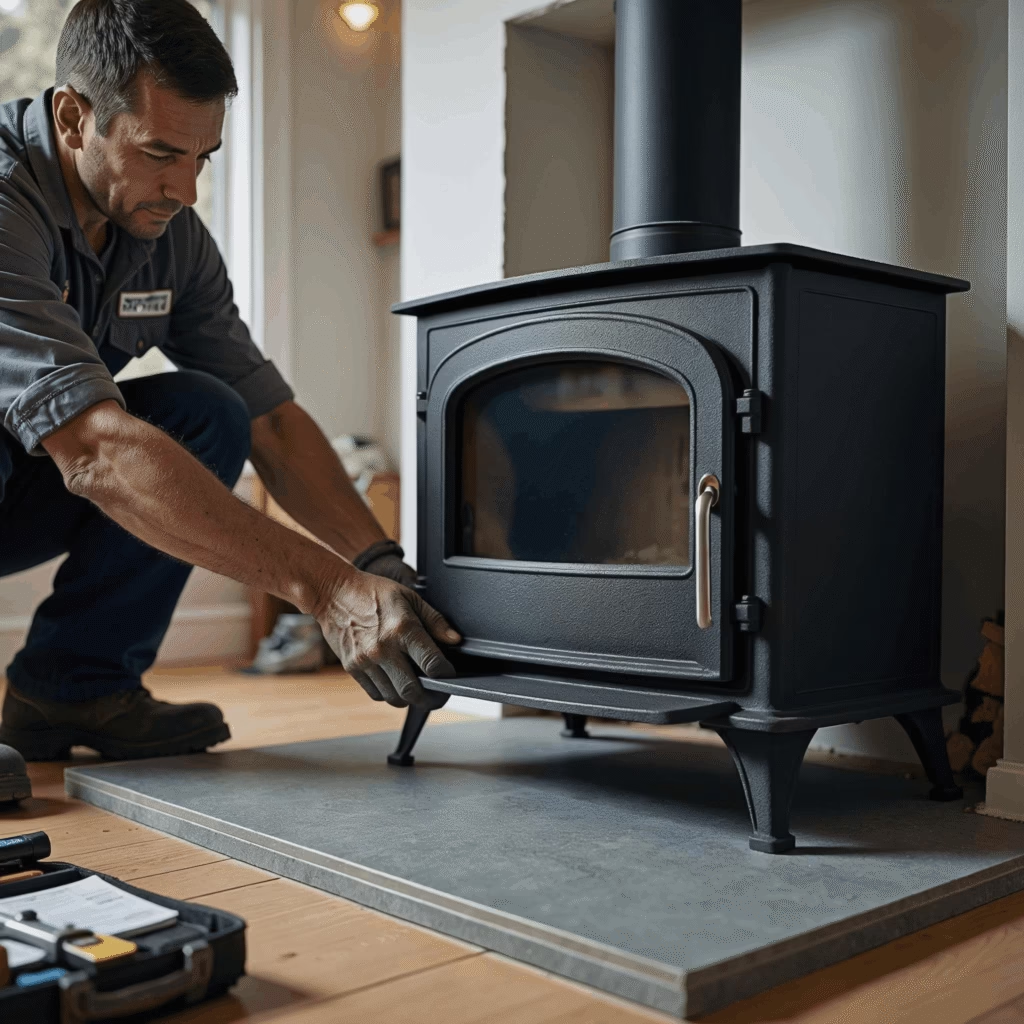
Looking to upgrade your home heating? 🔥 A professional wood burning stoves near me installation ensures safety, efficiency, and cozy comfort all winter long. Contact our experts in Portland, OR to get started today! #WoodStove #PortlandHomes #HomeHeating #StoveInstallation #EnergyEfficiency
Quick Answer: Total installation costs range from $3,500 to $7,500. This includes the stove unit, insulated chimney pipes, the non-combustible hearth, and certified professional labor.
To help narrow down your local search, review this breakdown of popular stove variations.
| Stove Category |
Ideal Architecture Layout |
Average Efficiency |
Primary Material Benefit |
| Traditional Cast Iron |
Historic homes, rustic cabins |
75% – 80% |
Incredible heat retention; radiates warmth long after the fire dies. |
| Sleek Steel Convection |
Modern homes, open-concept spaces |
80% – 85% |
Heats up instantly; features sharp, minimalist design lines. |
| Space-Saving Inset |
Compact rooms with an existing fireplace |
72% – 78% |
Flushes seamlessly into the wall to preserve floor space. |
| Double-Sided |
Large open-plan living zones |
75% – 82% |
A gorgeous visual focal point viewable from two separate rooms. |
Installation Costs Breakdown
Budgeting accurately requires looking past the physical stove’s price tag.
-
The Stove Unit: Entry-level cast iron or steel models start around $800 to $1,800. High-end panoramic models range from $3,000 to $6,500+.
-
The Component Kit: Expect to allocate $600 to $1,500 for flexible chimney liners, twin-wall flue pipes, and register plates.
-
Hearth & Labor: Safe, certified installation typically runs between $1,200 and $3,500, depending on roof access and custom stonework.
⚠️ Common Mistake: Buying a stove online purely based on aesthetics, only to find out from your installer that it is not legally rated for your home’s square footage or local emission laws. Always consult a professional before buying the unit.
Quick Answer: Our seamless process includes a technical in-home assessment, custom stove selection, insulated flue liner installation, precision fitment on a safe hearth, and a final compliance handover.
Transitioning our identity to Always Fire and Gas meant scaling up our technical operations to deliver a flawless installation experience.
-
The Technical Assessment: We measure room volume, calculate heat output requirements, check existing flue draw, and inspect combustible clearances.
-
Custom Selection: We help you select an Eco-Design compliant stove that balances interior design with practical heating.
-
Flue Preparation: We install a heavy-duty, insulated stainless steel liner down the length of the chimney to guarantee toxic gases vent perfectly.
-
Precision Fitment: We safely position your stove, seal all connections with high-temperature fire cement, and run live smoke draw tests.
-
Certification Handover: We provide compliance documentation, fit a carbon monoxide alarm, and walk you through your first “curing” fire.
Quick Answer: Burn only kiln-dried or seasoned wood with a moisture content under 20%. You must also schedule an annual professional chimney sweep to mechanically remove dangerous creosote buildup.
Owning one of the finest wood burning stoves near me brings immense joy, but it demands routine maintenance to protect your household.
The Golden Rules of Clean Burning
-
Burn Seasoned Wood Only: Never burn unseasoned “green” wood or painted scrap. Ensure your logs have a moisture content under 20% using a digital moisture meter.
-
Schedule Annual Sweeping: This is non-negotiable for safety. Creosote buildup is the primary cause of residential chimney fires.
-
Inspect Door Seals: The fire-rope gasket inside your stove door creates an airtight seal. Replace it every few seasons to prevent over-firing.
-
Manage Your Ash Pan: Never allow ash to touch the underside of your bottom grate. Compressed ash blocks airflow and causes metal components to warp or crack.
Can I install a wood burning stoves near me without a brick chimney?
Absolutely. Installers frequently use prefabricated, insulated twin-wall flue systems. These stainless steel pipes act as their own chimney and safely route smoke through an exterior wall or directly up through the ceiling and roof.
What is the difference between a wood stove and a multi-fuel stove?
A dedicated wood stove has a flat, solid firebox base because wood burning stoves near me best on a bed of its own ash. A multi-fuel stove features a raised grate and ash pan, allowing air to flow from underneath, which is required to burn smokeless mineral fuels.
Why did Always a Sweep change its name to Always Fire and Gas?
As heating technologies evolved, so did we. While keeping chimneys clean is our heritage, clients needed experts capable of handling advanced gas fireplace lines, custom stove installations, and mechanical venting. The new name reflects our full-service capabilities.
Is installing a modern wood stove a safe DIY project?
No. Incorrectly sizing a flue or violating combustible wall clearances can result in catastrophic house fires or deadly carbon monoxide leaks. Furthermore, manufacturers will completely void your warranty if the unit is not installed by a certified professional.
How often should a wood burning stove be professionally swept?
You should schedule a professional chimney sweep at least once a year. If you use your stove as your primary home heating source continuously throughout the winter, you may require two cleanings per season to safely manage creosote accumulation.
Transform Your Home Heating Today
Securing the best wood burning stoves near me requires more than just picking a beautiful cast-iron appliance; it demands technical precision, strict adherence to EPA guidelines, and professional, certified installation. From choosing the correct BTU output to ensuring your twin-wall flue vents perfectly, expert guidance keeps your family safe and warm.
As Always a Sweep transitions into Always Fire and Gas, our team is ready to handle your entire heating project from start to finish.
Next Steps to Secure Your New Stove:
-
Identify the room you wish to heat and note any existing fireplace structures.
-
Decide whether you prefer a traditional freestanding model or a fireplace insert.
-
Reach out to our certified team for a comprehensive in-home evaluation.
Ready to achieve true energy independence and unmatched winter comfort? Contact the Always a Sweep team today to schedule your safety consultation and begin your installation journey!
by Always A Sweep Team | Jun 8, 2026 | Always Home Repair Services, chimney repair, inspections & sweeping, installation
Ultimate Wood Stove Installation Near Me Guide: Clearance, Weight & Safety
Finding a certified expert for a wood stove installation near me ensures your new solid-fuel heating appliance operates with maximum efficiency and adheres to strict residential fire codes. Whether you want to slash high winter utility bills or enjoy the unmatched ambiance of a crackling fire, proper placement and venting are non-negotiable.
At Always A Sweep, we understand that upgrading your home heating system is a major investment. As our brand transitions to reflect our comprehensive hearth safety services, our commitment to technical precision remains our priority.
This guide breaks down exactly what to expect from professional hearth installations, including floor protection rules, clearance requirements, and how to select certified local experts.
📌 Key Takeaways
-
Never skip clearances: Unlisted wood stoves require a minimum 36-inch clearance from combustible walls without specialized heat shields.
-
Verify your floor support: Cast iron stoves and masonry hearth pads can weigh over 800 pounds, often requiring floor joist reinforcement.
-
Check CSIA credentials: Always hire installers certified by the Chimney Safety Institute of America (CSIA) to guarantee compliance and safety.
-
Buy EPA-certified: Modern units must meet strict EPA emission limits of 2.0 to 2.5 grams of smoke per hour to comply with 2026 clean air standards.
Table of Contents
-
Why Professional Installation Matters
-
Clearance, Weight, and Floor Requirements
-
Choosing the Right Stove Type
-
Navigating Local Building Codes
-
The Installation Process Explained
-
DIY vs. Professional Risks
-
Finding Certified Installers
-
Frequently Asked Questions
Quick Answer: Hiring a certified professional ensures your wood stove is vented perfectly, drastically reducing the risk of creosote accumulation and chimney fires. Furthermore, professional installation is usually required to keep your home insurance valid.
When homeowners search for a wood stove installation near me, they usually recognize the inherent risks of indoor fire. The “Do It Yourself” spirit is admirable for painting walls, but solid-fuel heating demands technical exactness.
Preventing Devastating Chimney Fires
A poorly calibrated stove leads to rapid, dangerous creosote accumulation. Our technicians ensure that clearances to combustible materials meet the rigorous standards established by the National Fire Protection Association.
💡 Expert Insight: “Every winter, our field crews inspect DIY setups that are dangerously close to structural drywall. Even if a wall doesn’t catch fire immediately, long-term exposure to intense heat causes ‘pyrolysis,’ which lowers the ignition temperature of the wood framing over time until it spontaneously combusts.” — Always Fire and Gas Master Technician
Efficiency and Warranty Protection
A stove without proper draft calibration burns through seasoned cordwood faster while providing less heat. Heating experts tune the venting system calibration to ensure your unit hits its peak BTU output.
Additionally, most premium manufacturers instantly void their warranty if the unit is not installed by a certified professional.
Quick Answer: Wood stoves require strict minimum distances from walls (up to 36 inches for unlisted models), sturdy subfloors to hold 500+ pounds of dead weight, and non-combustible hearth pads that extend 18 inches past the loading door.
Before buying an appliance, you must understand the physical constraints of your living room or basement.
Clearance to Combustibles
Clearance refers to the minimum safe distance between the stove and anything that can burn. According to NFPA 211 standards, unlisted wood stoves require 36 inches of clearance from combustible walls. However, listed models with properly installed heat shields can safely reduce this distance to as little as 6 inches.
Structural Weight Support
Cast iron and thick steel stoves weigh anywhere from 300 to 800 pounds. When you add the weight of a stone hearth pad, the total load is massive. Ground floors with concrete slabs require no extra reinforcement, but elevated wooden floor joists must be inspected carefully.
Non-Combustible Hearth Pads
A stove cannot sit on carpet, hardwood, or vinyl. It requires a non-combustible hearth pad for two reasons. First, it offers amber protection from stray sparks. Second, it provides thermal protection (R-value) to stop heat from baking the floor underneath. The pad must extend at least 18 inches in front of the door and 8 inches on all sides.
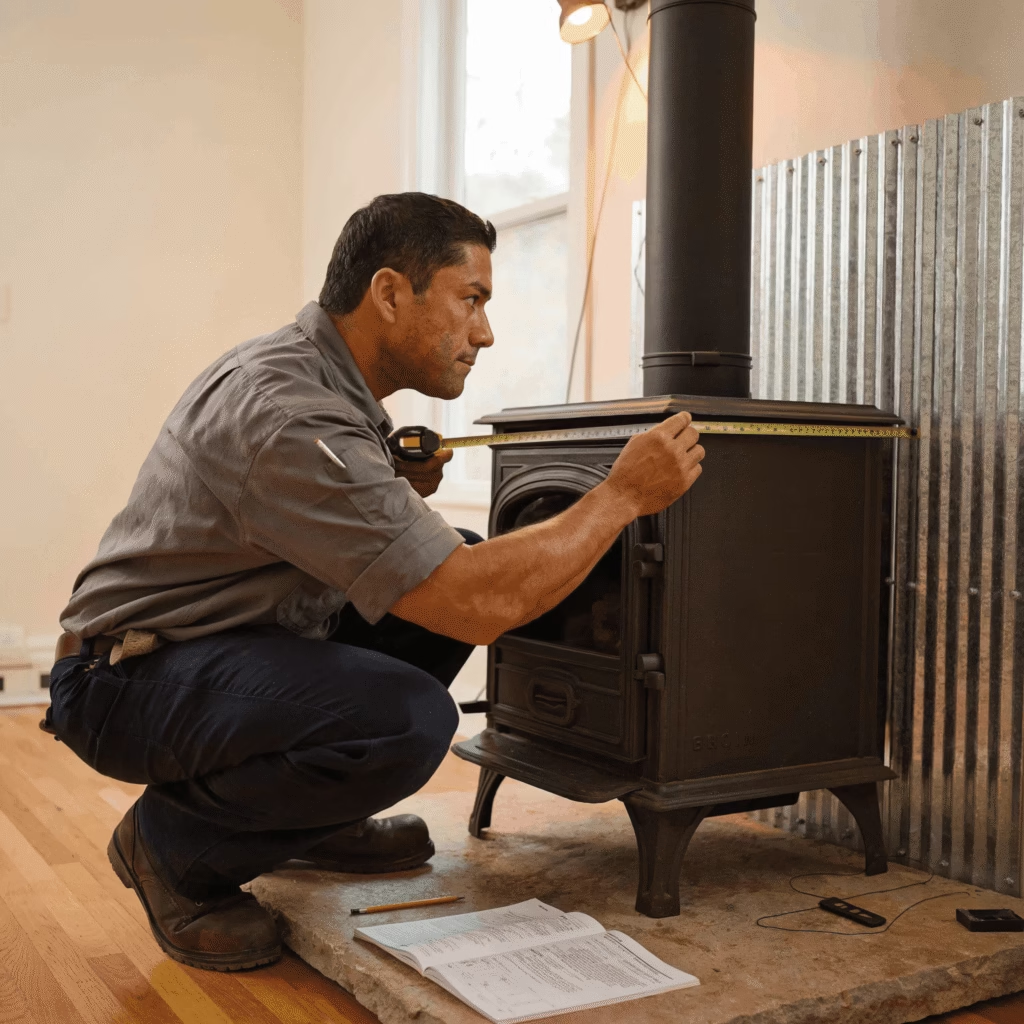
Thinking about adding a cozy wood-burning stove to your home? 🪵 Proper measurement and professional installation are key to safety and efficiency. Trust our experts in Denver, CO to handle your wood stove installation near me from start to finish. Click to learn more! #WoodStove #DenverHomes #HomeHeating #FireplaceInstallation #WoodBurningStove
Quick Answer: You can choose from heavy-duty cast iron stoves, modern high-efficiency steel models, automated pellet stoves, or fireplace inserts that transform open masonry hearths into powerful heaters.
Choosing the right equipment dictates how much you will spend on fuel and maintenance.
EPA-Certified Wood Stoves
Modern models are engineered for incredibly clean combustion. As of 2026, the Environmental Protection Agency (EPA) mandates that new wood heating appliances produce no more than 2.0 to 2.5 grams of particulate emissions per hour. Look for the white EPA tag on the back of the unit.
Fireplace Insert Stoves
If you already have a traditional open fireplace, an insert is brilliant. It slides directly into the fire box restoration space, converting a drafty, inefficient fireplace into a powerhouse heating system.
✅ Quick Tip: Always match the stove’s BTU rating to your home’s square footage. A stove that is too large will force you to run smoldering, low-temperature fires, which creates massive amounts of dangerous creosote in your chimney liner.
Quick Answer: You must pull municipal building permits before installing a wood stove. Post-installation, a city inspector will verify that the chimney height, floor protection, and emission standards match local zoning laws.
One of the most complex hurdles in a new installation is regulatory compliance. Unpermitted work can result in hefty fines.
| Requirement Category |
Standard Compliance Detail |
| Permit Requirements |
Municipal building permit must be approved before setup. |
| Clearances |
Must strictly meet manufacturer & NFPA 211 guidelines. |
| Safety Standards |
Appliance must pass UL-1482 or UL-127 safety testing. |
| Emissions Compliance |
Must meet the latest EPA clean air act limits. |
Professional installers handle this paperwork seamlessly, guaranteeing your setup complies with local laws.
Quick Answer: Installation involves an in-home assessment, placing the thermal hearth pad, routing the insulated chimney pipe through the ceiling or exterior wall, and conducting a “first burn” to test the draft seals.
When you hire Always Fire and Gas for a wood stove installation near me, our process is heavily structured.
-
Home Assessment: We evaluate your floor support, roof pitch, and room layout.
-
Hearth Preparation: We install a certified pad that matches your home’s aesthetic.
-
Chimney Routing: We run a “Class A” insulated stainless steel chimney pipe through the roof or wall.
-
The First Burn: We connect the stove, fire it up, and teach you proper damper management.
📊 Data Point: According to energy efficiency studies, upgrading from a traditional open masonry fireplace (which loses up to 90% of its heat up the chimney) to an EPA-certified wood stove installation near me insert can increase heating efficiency to over 75%.
Quick Answer: DIY installations carry severe risks, including deadly carbon monoxide backdrafting, voided home insurance policies, and structural house fires caused by ignoring wall clearance requirements.
Installing solid-fuel thermal systems is not a weekend hobby project. While doing it yourself saves labor costs upfront, minor errors create lethal environments.
Venting Failures and Legal Issues
Improper chimney routing causes carbon monoxide to backdraft directly into your living room. Furthermore, if a DIY installation causes a house fire, insurance adjusters will immediately deny the claim upon discovering unpermitted, uncertified work.
⚠️ Common Mistake: Never use single-wall galvanized steel stove pipe to pass through a ceiling or wall. You must use insulated double-wall or triple-wall Class A chimney pipe to prevent the surrounding wood framing from catching fire.
Quick Answer: Look for local companies with active certifications from the Chimney Safety Institute of America (CSIA) or the National Fireplace Institute (NFI). Read reviews verifying their expertise in complex structural venting.
Not all contractors understand thermal dynamics. When vetting companies for a wood stove installation near me, you must look for specific credentials.
Always ensure the technicians carry active CSIA credentials. Excellent installers also offer full lifecycle services, from the initial setup to your annual chimney sweep. A reputable provider will give you a fully itemized estimate before a single tool is lifted.
How long does a wood stove installation near me take to complete?
Most standard freestanding installations take about 4 to 8 hours (one business day). However, if we are relining a historic masonry chimney or modifying roof trusses for the vent pipe, it may take up to two days.
Can I install a wood stove directly on a hardwood floor?
No. You must place a non-combustible hearth pad underneath the appliance. This pad must offer a specific thermal R-value and extend at least 18 inches in front of the stove door to catch rolling embers.
How much does it cost to install a wood stove?
Depending on the unit and venting requirements, total costs range from $2,900 to $8,300+. This includes the appliance, the Class A stainless steel chimney piping, municipal permits, and professional labor.
Do I need a traditional brick chimney to get a wood stove?
No. You do not need a brick chimney. Certified installers can route a prefabricated, insulated stainless steel chimney pipe straight up through your ceiling and roof, or out horizontally through an exterior wall.
How often should a wood stove be inspected?
The NFPA mandates that solid-fuel heating systems and venting pipes be inspected at least once a year. Heavy winter usage may require two cleanings a year to remove hazardous creosote buildup.
Conclusion: The Always Fire and Gas Advantage
Upgrading to a high-efficiency wood heater is a brilliant way to lower utility bills and secure a reliable backup heat source for winter storms. However, safety must always come first. Strict adherence to clearance rules, floor support weight limits, and EPA emission standards is only guaranteed when you invest in a professional wood stove installation near me.
As we finalize our rebrand from Always A Sweep to Always Fire and Gas, our master-level team remains your trusted partner for total hearth safety.
Next Steps to Secure Your Installation:
-
Determine the square footage of the room you want to heat.
-
Check your preferred wall space to see if you have the required 36-inch clearance.
-
Schedule an in-home consultation with our CSIA-certified team.
Ready to transform your home with safe, reliable warmth? Browse our professional heating and gas installation services to book your consultation today!