
An Expert’s Perspective: Why a Chimney Sweep Cares About Your Dryer Vent
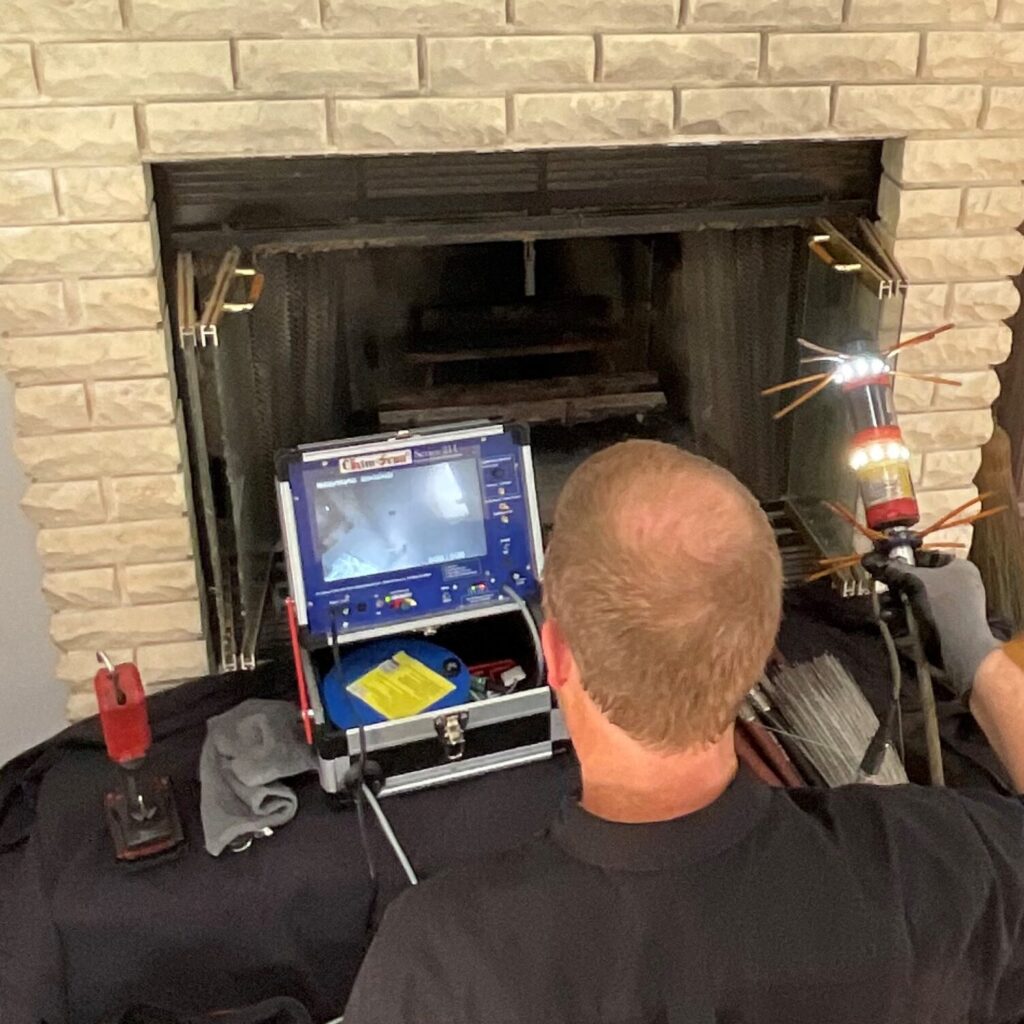
As a CSIA Certified Chimney Sweep with Always A Sweep, my career is built on a deep understanding of venting science, fire dynamics, and the national safety codes that protect homes from combustion byproducts. While many associate my work with fireplaces and wood stoves, that same expertise is directly applicable to another critical, and often more dangerous, venting system in your home: the clothes dryer. Professional dryer vent cleaning & inspectionsare not just an add-on service for us; they are a core part of our mission to ensure total home safety.
In the world of chimney maintenance, we classify the flammable buildup of creosote into three distinct degrees of severity. I apply a similar framework to dryer vents. The principles are identical: a restricted vent, flammable buildup (lint instead of creosote), and a heat source. In Central Florida, our high humidity acts as a “threat multiplier,” causing lint to become dense and sticky, accelerating the progression through these hazard levels much faster than in other climates.
This guide breaks down the three degrees of dryer vent hazards from my expert perspective, explaining what I look for during an inspection and why a specialist’s eye is crucial for identifying risks that a general handyman might miss.
The First Degree of Hazard: The Efficiency Clog
The first degree of hazard is the most common and the most deceptive. It’s comparable to first-degree creosote in a chimney—a light, dusty soot that is easily removed but signals the beginning of a problem.
What I Look For:
During an initial diagnostic, I often find a light but pervasive coating of lint throughout the entire duct run. The homeowner’s primary complaints are not yet about safety but about performance. They report that clothes, especially heavy items like towels, take more than one cycle to dry, and the dryer itself feels unusually hot after a cycle.
The Technical Analysis:
This stage represents a critical loss of efficiency. A dryer is designed to expel a specific volume of hot, moist air per minute. Even a light coating of lint creates friction and turbulence inside the duct, restricting that airflow. The dryer’s internal thermostat senses that the desired temperature isn’t being reached efficiently, so it keeps the heating element running longer.
The Risks at This Stage:
- Economic Waste:This inefficiency translates directly into higher energy bills. A dryer working against a first-degree clog can cost a homeowner an extra $18-$24 per month on their utility bills.
- Appliance Strain:The extended operation puts significant wear and tear on the dryer’s motor, belts, and heating elements, leading to costly repairs and shortening the appliance’s lifespan by years.
- Clothing Damage:The combination of prolonged high heat and trapped moisture slowly breaks down the fibers in clothing and linens, causing them to wear out prematurely.
A professional cleaning at this stage is a simple fix that restores efficiency and prevents the hazard from escalating.
The Second Degree of Hazard: The Fire Risk Clog
This is where the situation becomes significantly more dangerous, much like second-degree creosote, which appears as hardened, shiny black flakes and is much more difficult to remove. A second-degree dryer vent clog is characterized by dense, compacted lint that poses a serious and immediate fire risk.
What I Look For:
The lint I remove at this stage is no longer light and fluffy. Due to Florida’s humidity, it’s heavy, damp, and matted together. I often find this compacted lint at bends in the ductwork or in vertical risers where gravity works against the airflow. Sometimes, the blockage is compounded by external factors like a bird’s nest in the exterior vent termination. The homeowner may now report a distinct burning smell when the dryer is running—a critical warning sign.
The Technical Analysis:
Lint is highly combustible. The U.S. Fire Administration (USFA) identifies “failure to clean” as the leading cause of the nearly 3,000 residential dryer fires reported each year. At this stage, the compacted lint has severely restricted the vent. Heat from the dryer cannot escape, causing temperatures inside the duct to rise to dangerous levels. This intense heat can easily ignite the lint, starting a fire that can travel through the walls and ceilings of a home within minutes.
The Risks at This Stage:
- Imminent Fire Hazard:The combination of a fuel source (compacted lint), an ignition source (the dryer’s heating element), and restricted airflow creates the perfect conditions for a fire.
- Mold and Mildew Growth:The trapped moisture within the dense lint creates an ideal breeding ground for mold and mildew. The dryer’s airflow can then push these harmful spores into the home, degrading indoor air quality and triggering allergies or respiratory issues.
A standard DIY brush kit is often insufficient and can even worsen the problem by compacting the lint further. A professional dryer vent cleaning & inspectionsservice uses specialized tools to break up and remove these dense clogs safely.
The Third Degree of Hazard: The System Failure Clog
The third degree of hazard is the most severe and complex, analogous to glazed, third-degree creosote, which looks like tar and can sometimes require the chimney liner to be replaced. This stage involves more than just a simple clog; it indicates a fundamental failure of the entire venting system due to improper installation, damaged components, or severe code violations.
What I Look For:
During a Level II inspection, which is our standard for chimney services and a principle we apply to dryer vents, I conduct a comprehensive evaluation of the entire system. At this stage, I often find critical safety flaws:
- Improper Materials:The use of flammable, white plastic or flimsy foil transition ducts instead of the rigid metal required by the NFPA and Florida Building Code.
- Crushed or Disconnected Ducts:Ducts that have been crushed behind the dryer or have separated inside a wall or attic, leaking hot, moist, lint-filled air into the building structure.
- Code-Violating Terminations:Screens installed on the exterior vent hood, which are explicitly forbidden as they trap lint and create a fire hazard.
- Blocked Gas Dryer Vents:In homes with gas dryers, a third-degree blockage can be life-threatening. It prevents the exhaust of combustion byproducts, including deadly, odorless carbon monoxide (CO), which can then seep back into the home.
The Risks at This Stage:
- Catastrophic Fire Risk:An improperly installed system is a fire waiting to happen.
- Carbon Monoxide Poisoning:A blocked gas dryer vent is a silent killer. For more information, please consult authoritative sources like the Centers for Disease Control and Prevention (CDC)
- Structural Damage:Moisture and heat leaking from a disconnected duct can lead to wood rot, mold growth, and significant damage to your home’s structure.
At this stage, a simple cleaning is not enough. The system requires professional repair or even a complete rerouting to be made safe, services that our certified technicians are qualified to perform.
The Chimney Professional’s Standard for Dryer Vent Service
At Always A Sweep, we apply the same principles of Safety, Efficiency, and Enjoymentto our dryer vent services as we do to our chimney work.
- Expertise:Our technicians are CSIA Certified in both Chimney Sweeping and as Dryer Exhaust Technicians (CDET®). This dual certification provides an unparalleled depth of knowledge about venting safety.
- Authoritativeness:We adhere strictly to the fire safety codes established by the National Fire Protection Association (NFPA) and the Florida Building Code.
Trustworthiness:We provide verifiable results. Our process includes “before and after” airflow measurements and detailed photo documentation, so you have complete confidence that the job was done right. This is the standard for all our Inspections & Sweepingservices.
A Homeowner’s Hazard Assessment Guide
Use this guide, adapted from a professional’s checklist, to assess your system’s risk level.
| Symptom | Potential Hazard Level | Recommended Action |
| Clothes take >1 cycle to dry; the dryer is hot. | First Degree | Schedule a professional cleaning to restore efficiency. |
| A burning smell is present; the laundry room is humid. | Second Degree | Stop using the dryer immediately and call for an urgent inspection. |
| You have a plastic vent hose; the exterior flap is blocked. | Third Degree | Do not use the dryer. Schedule a comprehensive inspection and repair service. |
Frequently Asked Questions (FAQs) from a Certified Technician
How often should I schedule a dryer vent cleaning in Florida?The NFPA recommends an annual inspection. However, due to our humid climate, I recommend a professional dryer vent cleaning & inspectionsservice every 6-9 months for households with pets, large families, or high laundry volume to prevent the rapid progression to a second-degree hazard.
What is the difference between a handyman and a CSIA Certified Dryer Exhaust Technician?A CSIA Certified technician has passed rigorous exams on NFPA fire codes and proper venting science. A handyman may not be aware of critical code requirements, like the prohibition of screens on terminations or the specific type of metal duct required for safety. As chimney professionals, we are trained to see the entire venting system as an integrated safety component of your home.
My home is new. Do I still need an inspection?Absolutely. Unfortunately, construction oversights are common. I have seen brand-new homes with vents that are improperly routed, too long, or made with incorrect materials, creating a third-degree hazard from day one.
Conclusion: Applying Expert Knowledge to Protect Your Home
Your dryer vent is not just a tube that removes steam; it is a high-temperature exhaust system for a fuel-burning appliance. Treating it with the same seriousness as a chimney is the first step toward ensuring your home’s safety. The three degrees of hazard provide a clear framework for understanding how a simple nuisance can escalate into a life-threatening danger.
Don’t wait for a second or third-degree hazard to make itself known. If you live in the Ocala, Gainesville, or Fort Pierce areas, trust the certified experts who understand the science of venting. Contact Always A Sweep today to schedule your professional dryer vent cleaning & inspectionsand gain the peace of mind that comes from true expertise.