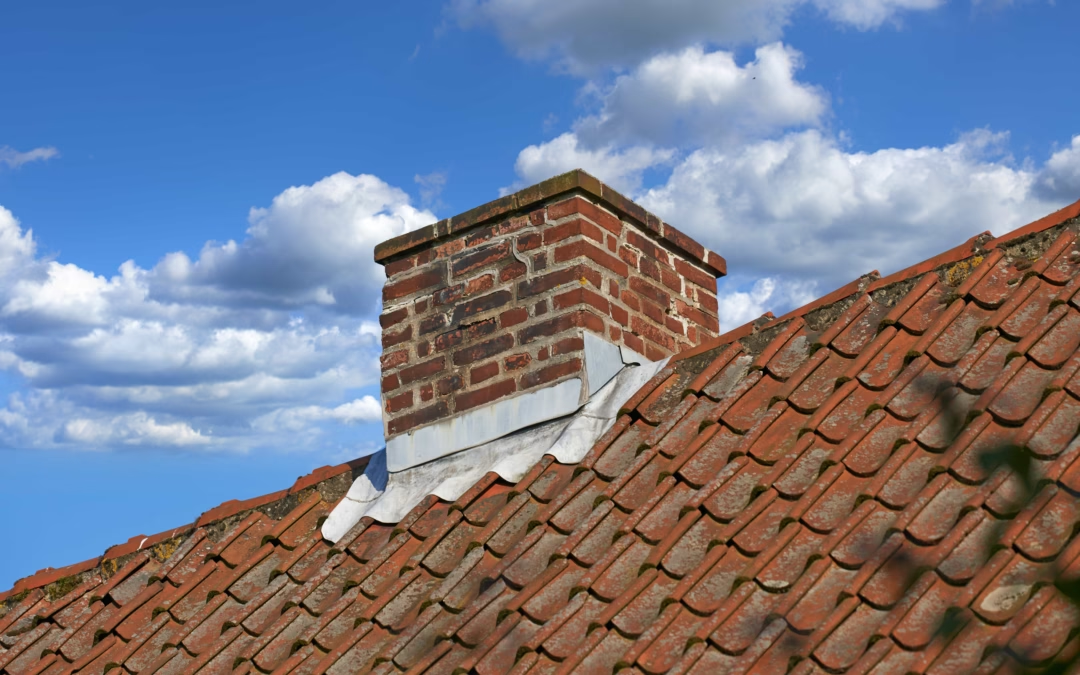
Waterproofing Your Chimney and Is Your Home Ready for Florida’s Afternoon Rainstorms?
Waterproofing your chimney is the process of applying a professional-grade, vapor-permeable water repellent to masonry to prevent moisture absorption, structural spalling, and interior leaks. In Florida’s high-humidity climate, this maintenance is essential to prevent “internal rot” caused by trapped moisture and hydrostatic pressure from torrential afternoon storms.
Key Takeaways
-
Brick is Porous: Standard masonry acts like a sponge, absorbing inches of rain during Florida storms.
-
Avoid DIY Sealants: Hardware store “film-forming” sealants trap moisture inside the brick, causing faster decay.
-
The “Breathability” Factor: Only professional silane-siloxane repellents allow water vapor to escape while blocking liquid rain.
-
Early Warning Signs: White salt stains (efflorescence) and crumbling brick (spalling) indicate immediate waterproofing needs.
Table of Contents
-
The Florida Factor: Climate vs. Masonry
-
The Science of Saturated Masonry
-
Why DIY Waterproofing Fails
-
Warning Signs of Water Damage
-
The Professional Waterproofing Process
-
Comprehensive Storm Protection
-
Frequently Asked Questions
The Florida Factor and Why Your Chimney is at Risk
Florida’s climate is unique, and unfortunately, it is perfectly designed to destroy masonry. Unlike the dry heat of the Southwest or the steady freezes of the North, Florida offers a “pressure cooker” environment that accelerates the decay of unprotected chimneys.
The Intensity of Afternoon Rainstorms
Quick Answer: Florida storms can dump 2+ inches of rain in an hour, creating extreme hydrostatic pressure that forces water into the microscopic pores of untreated brick.
In cities like Jacksonville or St. Augustine, we don’t just get light rain. Our afternoon storms often dump inches of water in under an hour. This volume creates a massive amount of hydrostatic pressure against your chimney. If the surface isn’t sealed with a professional repellent, that water is forced deep into the core of the brickwork.
Humidity and the Salt Air
For those of us along the coast, the air is thick with salt. Salt is corrosive. When salt-laden moisture penetrates your chimney, it crystallizes inside the brick. This process, known as subflorescence, creates internal pressure that can literally blow the face off a brick.
Many homeowners wait until they see a leak inside the firebox to act. By that time, the exterior masonry may already be structurally compromised by salt-crystallization.
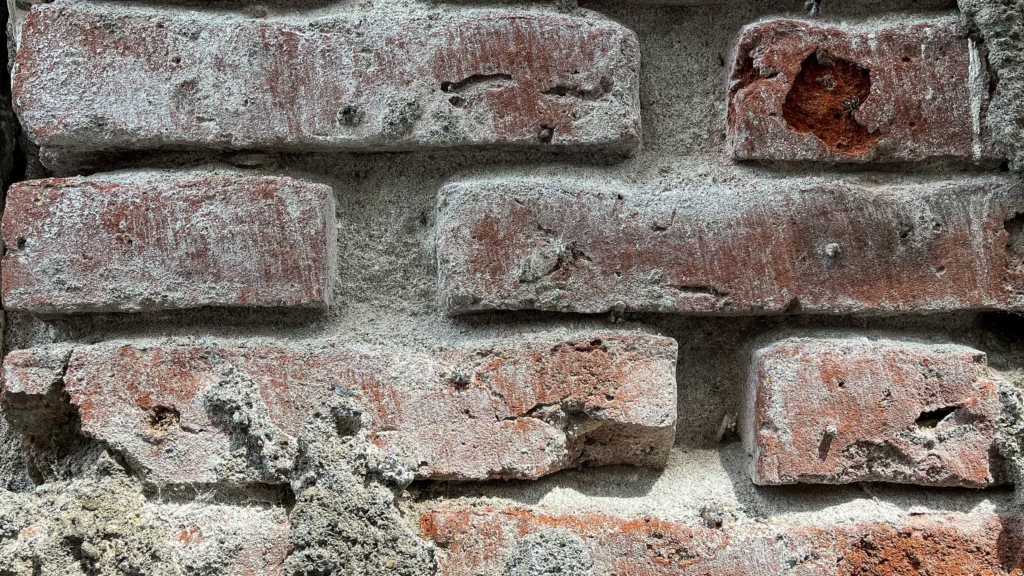
Don’t let crumbling mortar ruin your home’s structural integrity or curb appeal. Our masonry restoration experts specialize in tuckpointing, brick replacement, and waterproofing to bring your exterior back to life. Protect your investment with professional care!
The Science of Saturated Masonry and Why Brick Acts Like a Sponge
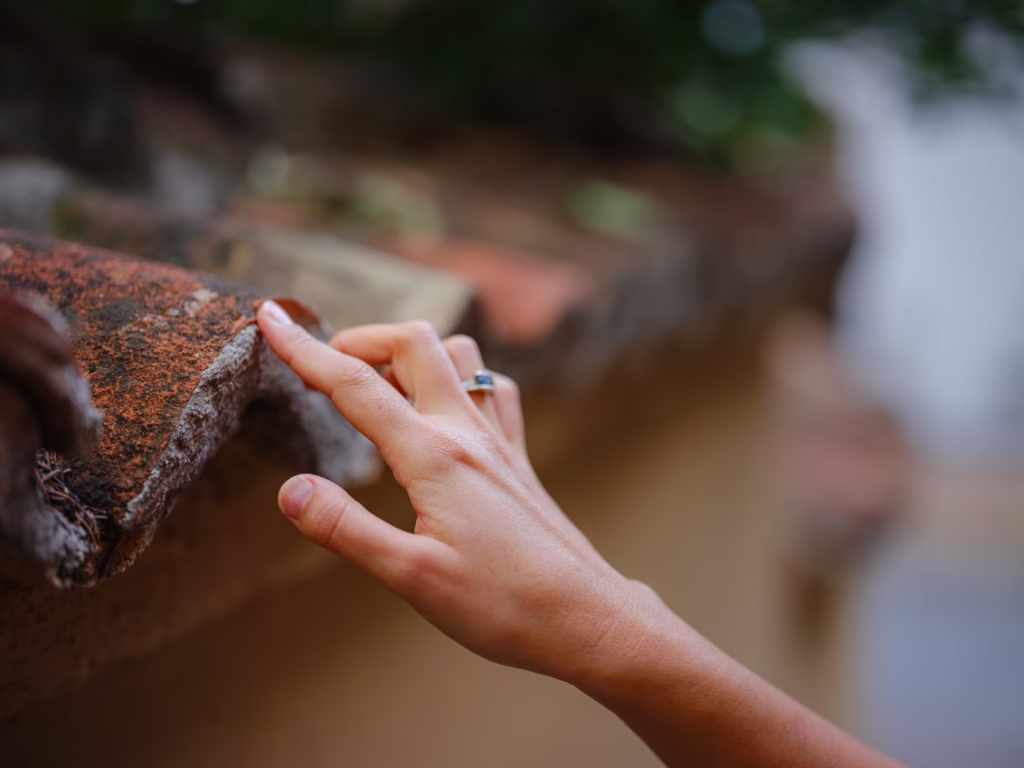
Many people assume that because bricks are hard and heavy, they are waterproof. This is a dangerous misconception. To a water molecule, a brick looks like a series of interconnected tunnels.
Understanding Capillary Action
Through a process called capillary action, moisture is “sucked” upward and inward through the pores of the brick and mortar. Once the masonry is saturated, the water has nowhere to go but into your home’s framing.
The Heat-Moisture Cycle
In Florida, the sun comes out immediately after a storm. This rapid heating causes the water trapped inside the brick to turn into vapor. If your chimney hasn’t been treated with a breathable professional sealant, that vapor expands rapidly, causing micro-fractures in the mortar. Over time, these small cracks become major structural failures.
“According to industry standards from the Masonry Institute, untreated brick can increase in weight by over 20% when fully saturated, putting immense stress on the chimney’s foundation.”
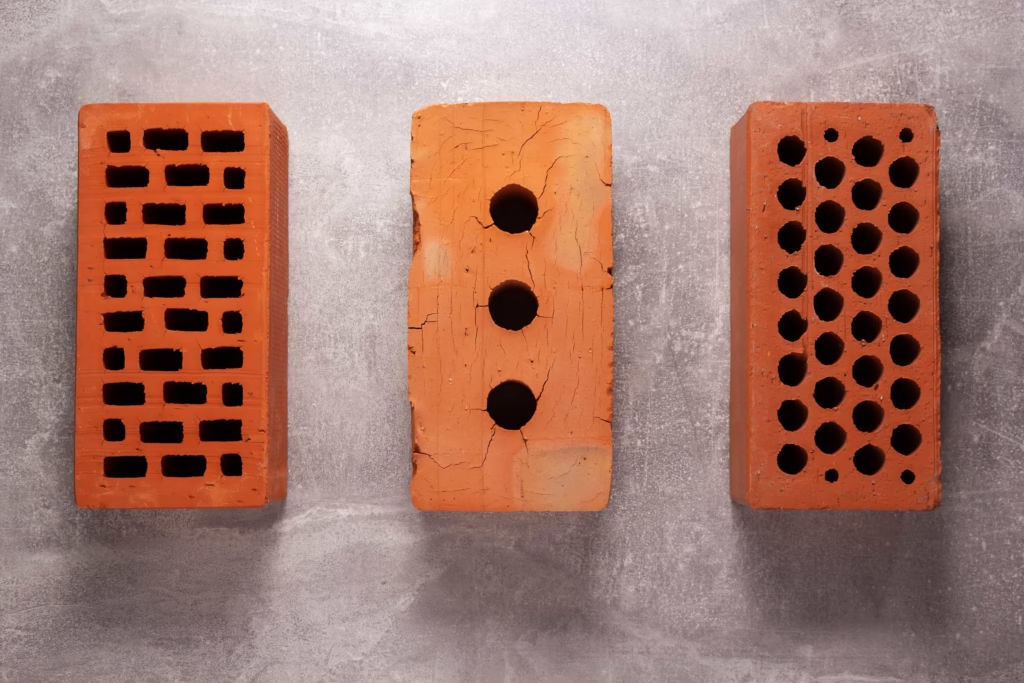
Choosing the right materials is the foundation of any lasting build. These high-durability perforated clay bricks offer excellent thermal insulation and structural integrity for your next residential or commercial project. Perfect for classic brick siding or modern masonry designs.
The Dangers of DIY and Why “Off-the-Shelf” Solutions Fail
We live in a world of DIY enthusiasts, but waterproofing your chimney is one task where a “do-it-yourself” approach can actually cause more damage than the rain itself. At Always A Sweep, we frequently repair chimneys ruined by improper retail sealants.
The “Plastic Wrap” Mistake
Most sealants found at local hardware stores are silicone-based or acrylic “film-forming” water-blockers. They work by creating a solid coating over the brick, essentially wrapping your chimney in plastic.
Why is this bad for Florida homes?
-
Trapped Vapor: Your chimney produces heat and moisture from the inside (even in Florida, using a fireplace or gas logs creates water vapor).
-
Internal Rot: A DIY sealant prevents this internal moisture from escaping. The water stays trapped, causing the chimney to rot from the inside out.
-
Scaling and Spalling: Within two years, the “sealant” will begin to peel, taking the top layer of your brick with it.
If a sealant promises a “glossy” or “wet” look, avoid it. Professional waterproofing should be invisible to allow the brick to breathe.
Identifying the Warning Signs of Water Intrusion
How do you know if you are already losing the battle against Florida’s rain? Before you even consider waterproofing your chimney, look for these red flags:
1. Efflorescence (White Staining)
Look for white, powdery streaks on the exterior of the chimney. This is salt residue left behind by evaporating water. It is a clear sign that water is moving through your bricks.
2. Spalling and Crumbling
If you find chips or chunks of brick on your roof or in your yard, your masonry is failing structurally. This is a primary indicator that the internal moisture-heat cycle is breaking the brick apart.
3. The “Musty” Fireplace
If your living room smells like a wet basement after a storm, you likely have mold growing behind the chimney liner. This indicates a high level of saturation within the wall cavity.
A 2025 study on Florida residential structures found that 60% of chimney leaks were caused by failed masonry crowns and lack of water repellent.
The Professional Edge for Our Specialized Waterproofing Process
At Always A Sweep, we don’t just “spray and go.” Our process is a comprehensive restoration designed to withstand 100+ mph winds and torrential rain.
Step 1: Professional Cleaning
We use eco-friendly, masonry-safe cleaners to remove carbon, algae, and mold. This opens up the “pores” of the brick so the repellent can sink in deep.
Step 2: Masonry “Triage”
Before waterproofing your chimney, we inspect the mortar joints. If they are receding or sandy, we perform repointing—the process of replacing old mortar with new, high-strength material.
Step 3: Application of Vapor-Permeable Repellents
We exclusively use 100% breathable silane-siloxane water repellents. These products are not “coatings”; they are “penetrants”. They bond chemically to the brick, lining the pores without clogging them. This allows the chimney to “breathe” out gases while shedding 99.9% of liquid water.
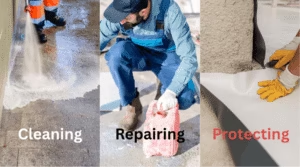
Revitalize and safeguard your property with our complete three-step approach: Clean, Repair, and Protect. From high-pressure washing to expert surface sealing, we ensure your home or business stays in peak condition. Save this for your next exterior renovation project!
Comprehensive Protection the Beyond the Brick
Waterproofing your chimney is the main event, but a truly storm-ready chimney requires a holistic approach.
-
The Chimney Crown: The concrete “roof” of your chimney. If cracked, it acts as a funnel. We apply a specialized “CrownCoat” flexible membrane.
-
Flashings and Caps: The metal area where the chimney meets the roof is a common failure point in Florida. We ensure your flashing is watertight.
Frequently Asked Questions
How often should I perform waterproofing on my chimney?
In the Florida climate, we recommend waterproofing your chimney every 5 to 7 years. The high UV index and salt air can break down even professional repellents over time.
Does chimney waterproofing change the color of my brick?
No. Professional silane-siloxane repellents are invisible. Unlike DIY acrylics, they do not create a “glossy” finish or change the natural aesthetic of your masonry.
Can I waterproof a chimney that is already leaking?
Waterproofing is a preventative measure. If you have an active leak, we must first identify the entry point (often the crown or flashing) and repair it before applying repellent.
Is waterproofing worth the cost?
Yes. The average cost of waterproofing is a fraction of the cost of a full chimney rebuild. It is one of the highest-ROI maintenance tasks for Florida homeowners.
What is the best time of year for waterproofing your chimney?
The ideal time is during the “dry season” (typically late fall or winter). However, it can be done year-round as long as the masonry has 24–48 hours to dry before application.
Protecting Your Florida Investment
Your home is likely your largest financial investment. Allowing a maintenance task like waterproofing your chimney to turn into a $15,000 chimney rebuild is a risk no homeowner should take.
Florida’s afternoon rainstorms are a certainty. Whether your chimney survives them or succumbs to them depends on the steps you take today.
Ready to protect your home?
-
Schedule an Inspection: Have a professional evaluate your masonry health.
-
Clear Debris: Ensure your gutters and roof are clear of leaves that trap moisture.
-
Choose Quality: Only use vapor-permeable repellents.
Book Your Professional Chimney Inspection Today with Always A Sweep