
How to Safely Identify an Urgent Chimney Leak in Your Ocala Home After July Storms
To quickly identify a chimney leak in your Ocala home after a heavy July storm, inspect your property for yellow-brown ceiling stains around the hearth, active water pooling in the firebox, rusted dampers, or a strong, musty creosote odor. Florida’s severe summer downpours regularly exploit minor masonry gaps, forcing water past vulnerable flashing lines. Addressing these structural indicators immediately avoids expensive structural rot and hazardous toxic mold growth within your living spaces.
According to regional property damage audits compiled as of 2026, over 35% of hidden water intrusion issues in Marion County homes stem directly from neglected roofline and masonry intersections. Florida’s summer climate is famously beautiful, but it presents a distinct set of structural challenges for local homeowners. When the peak of the rainy season arrives, tropical depressions, afternoon convective cloudbursts, and volatile lightning strikes put local properties to the ultimate test. If you are starting to notice damp spots or odd smells near your hearth, determining whether seasonal downpours caused a chimney leak in your Ocala home is critical to preserving your property’s foundational integrity.
Water damage inside a chimney system is notoriously deceptive. It rarely starts as a major flood; instead, it begins as a silent, slow intrusion that steadily undermines structural materials behind your walls. By understanding the intersection of Ocala’s local weather patterns and chimney architecture, you can identify a leak early. This protects your home before minor moisture turns into a high-cost restoration project.
📌 Key Takeaways
Immediate Detection: Check for interior drywall discoloration and water puddles inside the firebox immediately following afternoon convective downpours.
Sensory Indicators: Musty, campfire-like smells during humid days point directly to a compromised, moisture-saturated flue system.
Thermal Shock Danger: Rapid morning heating of saturated bricks causes micro-cracks to expand into deep-seated structural gaps.
Professional Standards: Always utilize vapor-permeable, hydrophobic sealants rather than standard consumer silicone coatings to prevent trapping moisture inside masonry walls.
Table of Contents
-
The Local Climate Reality: Why July Storms Put Ocala Chimneys at Extreme Risk
-
Interior Warning Signs: Spotting Problems From the Couch
-
Hidden and Sensory Symptoms: Smell, Texture, and Chemical Changes
-
Anatomy of a Failure: Where Structural Gaps Allow Water to Win
-
The Heavy Cost of Delay: Structural Rot and Central Florida Mold Hazards
-
The Pitfalls of DIY Fixes: Why Patchwork Masonry Repairs Backfire
-
The Professional Standard: Advanced Diagnostics and Waterproofing
The Local Climate Reality: Why July Storms Put Ocala Chimneys at Extreme Risk
Quick Answer: Intense convective thunderstorms drop massive water volumes that exert extreme hydrostatic pressure on residential rooflines. When combined with sudden morning heat, this moisture triggers thermal shock, splitting porous bricks open.
The geographic positioning of Marion County creates a unique microclimate. This environment is characterized by high ambient humidity and intense, concentrated convective thunderstorms during the peak summer months. Unlike a steady, gentle northern rain, a typical afternoon storm in Ocala drops large volumes of water accompanied by severe wind gusts and frequent lightning strikes.
The Threat of Convective Thunderstorms
This intense combination places extreme hydrostatic pressure on your roofline and chimney masonry. When heavy winds drive sheets of water sideways, your chimney acts like a visual lightning rod and a literal catchment funnel. If there is even a microscopic flaw in your brickwork, wind forces water directly into the building structure.
Understanding Masonry Thermal Shock
Furthermore, Ocala’s summer temperatures regularly sit above 90°C. When water penetrates a porous brick chimney during a storm and is immediately baked by intense hot sun the following morning, it triggers a destructive physical reaction known as thermal shock. The water trapped inside the brick expands rapidly as vapor, stretching tiny structural flaws into visible, deep-seated cracks. Over time, these thermal cycles break down the core stability of the system.
📊 Data Point
According to meteorological data tracking building stress factors, a building material saturated by a midday downpour can experience internal surface temperatures shifting by over 40°F in less than two hours when direct sunlight breaks through Florida’s cloud cover.
Interior Warning Signs: Spotting Problems From the Couch
Quick Answer: Homeowners can identify structural damage from the ground floor by looking for ringed drywall discoloration, physical deterioration of firebox bricks, and active puddles behind fireplace doors.
You don’t need to climb up a ladder onto a steep roofline to suspect storm damage. In fact, safety standards dictate that you start your investigation from the safety of your living room floor. When dealing with a suspected chimney leak in your Ocala home, the interior architecture of your house will naturally tell a story if you know exactly what to look for.
Discolored Drywall and Ceiling Rings
Water travels along the path of least resistance. When a storm breaches your chimney’s exterior envelope, the water frequently flows down the outside face of the flue liner. It then pools onto nearby horizontal ceiling joists or behind the vertical drywall surrounding your fireplace mantle. This manifests as ringed, yellowish-brown tea stains on your ceiling plaster or peeling paint on the walls adjacent to the fireplace.
Dampness and Pooling Water Inside the Firebox
Open your fireplace door and look closely at the floor of your firebox. If you see active puddles of water, damp ash residue, or water track marks running down the interior back wall of the brickwork after a heavy downpour, water is entering directly from the top vertical opening of the system. This indicates a complete failure of the overhead protection layers.
Physical Spalling of Interior Masonry
Take a bright flashlight and closely examine the brickwork inside your hearth. Do you see small flakes of brick, fragments of clay, or masonry dust piling up on the floor of your firebox? This structural peeling is called spalling. It occurs when masonry becomes fully saturated with water. The structural bonds within the brick break down entirely, causing the material to flake, crack, and crumble under its own weight.
⚠️ Common Mistake
Wiping away masonry dust or painting over stained drywall without addressing the external entry source. This cosmetic fix leaves the underlying structural damage to worsen out of sight.
Hidden and Sensory Symptoms: Smell, Texture, and Chemical Changes
Quick Answer: Moisture mixed with internal soot creates acrid, campfire-like smells that are drawn indoors by air conditioning systems. White, powdery mineral deposits on outer bricks also confirm water movement through masonry.
Some of the most dangerous leaks do not show up as clear water puddles right away. Instead, they register through your senses or create distinct chemical changes across the surface of your brickwork.
The Problem of “Summer Fireplace Odors”
If your living room suddenly begins to smell like a damp campfire, a dirty barbecue pit, or an old basement during a hot July afternoon, you are likely dealing with a hidden water entry issue. Your chimney flue naturally accumulates creosote, a dark, carbon byproduct of burning wood. When rain saturates this internal creosote buildup, it liquefies the soot and amplifies its smell.
The high air-conditioning demands of a modern Florida home create a negative pressure environment inside. This suction draws those humid, foul, acrid odors down the flue and straight into your clean indoor living spaces.
[Natural Minerals & Salts inside Bricks]
                 │
                 ▼
     [Rainwater Saturated Masonry]
                 │
                 ▼
    [Hot Sun Evaporates Water Vapor]
                 │
                 ▼
[White, Powdery Salt Crystals Left on Surface (Efflorescence)]
Efflorescence: The White Powder Trail
Have you noticed a strange, white, powdery, or crystalline substance spreading across the face of your fireplace bricks? This material is known as efflorescence. While the powder itself is non-toxic, it serves as a critical warning sign that water is moving completely through your masonry system. It is a material footprint proving that your outer chimney envelope has been fully breached by recent storm activity.
💡 Expert Insight
Efflorescence is not mold; it is salt. When water travels through cement and brick, it dissolves natural minerals. As the sun draws that water outward, the moisture evaporates, leaving salt crystals behind.
Anatomy of a Failure: Where Structural Gaps Allow Water to Win
Quick Answer: Chimneys rely on multiple defensive parts like caps, crowns, flashing, and mortar. Heavy winds and intense heat degrade these components, allowing water to bypass protection barriers.
To successfully evaluate a chimney leak in your Ocala home, it helps to look at the anatomy of a chimney as a series of defensive barriers. When a violent summer storm hits, a breakdown in any single barrier allows water to bypass the system completely.
| Chimney Component | Primary Structural Function | Common Storm Failure Mode |
| Chimney Cap | Metal shield keeping rain out of the open flue | High winds can dislodge unanchored caps; sideways rain blows directly underneath flat designs. |
| Chimney Crown | Mortar or concrete slab sealing the top brick perimeter | Develops deep shrinkage cracks over years of exposure that fill with water during a storm. |
| Roof Flashing | Interlocking metal sheets bridging the roof-to-masonry joint | Extreme heat dries out caulking sealants; wind lifts individual metal steps away from the roofline. |
| Mortar Joints | Portland cement binding individual structural bricks together | Porous mortar blends degrade over time, absorbing water like a hard sponge during prolonged downpours. |
The Heavy Cost of Delay: Structural Rot and Central Florida Mold Hazards
Quick Answer: Leaving a chimney leak unaddressed rots nearby structural wood support trusses and breeds toxic black mold inside wall cavities within 48 hours of a storm.
Ignoring a suspected chimney leak in your Ocala home is a high-risk gamble. Because chimneys are directly tied to the primary structural framework of your house, water that enters through the masonry will quickly spread to adjacent building materials.
Wood Rot in Roof Decking and Support Trusses
When rainwater leaks past defective metal flashing, it runs directly into the raw plywood decking of your roof and the heavy structural wood trusses that keep your ceiling standing. Wood that remains constantly damp loses its structural load-bearing capacity. Over several weeks, this moisture leads to wood rot, causing your roofline to sag and requiring thousands of dollars in deep structural carpentry repairs.
Toxic Mold Infestations
The combination of high humidity, dark building spaces, and wet building materials creates an ideal environment for mold growth. Species like Stachybotrys chartarum (black mold) can take root on damp drywall backing or insulation within 48 hours of a storm. Once mold becomes established inside your chimney chase or wall cavities, it releases airborne spores into your indoor HVAC ventilation system, creating health risks for family members with asthma or respiratory sensitivities.
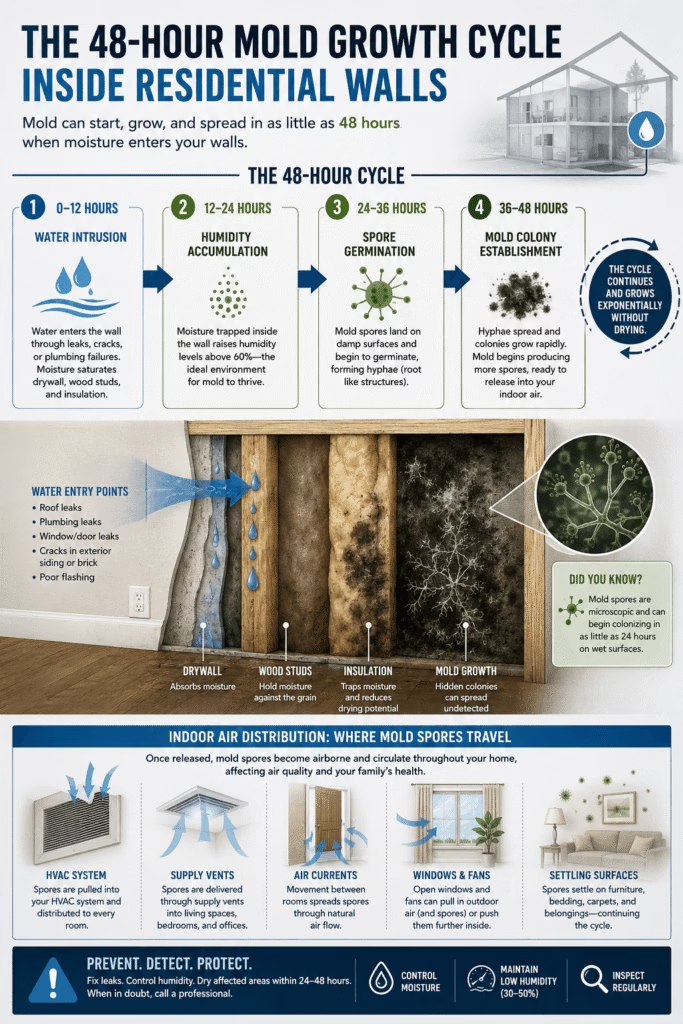
Did you know mold can start growing inside your walls in just 48 hours after water damage? 🌧️ High humidity and hidden leaks can quickly lead to toxic spore colonies that ruin your indoor air quality. Protect your property and your family’s health with professional mold remediation Houston TX. Save this pin for emergency reference or click through to schedule a professional home mold inspection today! #MoldRemediation #HoustonTX #WaterDamageRestoration #HealthyHome #MoldRemoval
The Pitfalls of DIY Fixes: Why Patchwork Masonry Repairs Backfire
Quick Answer: DIY patchwork traps water inside the chimney core. When heated by the sun, this trapped water vaporizes, building internal pressure that cracks masonry from the inside out.
When discovering a chimney leak in your Ocala home, many well-meaning homeowners attempt a do-it-yourself repair strategy. They might purchase a tube of standard silicone caulk or a bucket of generic hardware-store waterproofing sealant, pull out a ladder, and attempt to patch the chimney crown or flashing over the weekend. This approach is highly discouraged by structural engineers and safety experts.
Fall Risks and Physical Safety Hazards
Climbing onto a residential roof is inherently dangerous. Staging ladders on uneven Florida turf, navigating steep pitches, and working around high rooflines require professional-grade safety harnesses, specialized footwear, and fall-protection anchors. The extreme heat of an Ocala afternoon can cause dizziness or heat exhaustion quickly, making roof work an unnecessary risk to your life and safety.
The Trapped Moisture Trap
The biggest problem with DIY repairs is that they often hide the underlying issue rather than solving it. If you apply a cheap, non-breathable silicone coat over damp bricks, you trap existing water inside the chimney core. When the next hot sun hits the chimney, that trapped water turns into expanding steam. Because it cannot escape, it exerts massive internal pressure, cracking the brickwork from the inside out and accelerating structural failure.
[Cheap External Paint/Silicone] ➔ [Trapped Internal Water] ➔ [Solar Heat Creates Steam Pressure] ➔ [Brick Cracks From Within]
Chemical Incompatibility
Consumer caulks and standard exterior paints are not designed to handle the intense thermal cycles of an active fireplace. Chimneys expand and contract significantly when heated by fires or extreme ambient weather. Cheap store-bought sealants lack elasticity; they quickly become brittle, crack, and peel within a few months, leaving your home completely vulnerable to the very next rainstorm.
✅ Quick Tip
Avoid applying standard elastomeric exterior paints to brick surfaces. Bricks must “breathe” to release natural groundwater vapor safely.
The Professional Standard: Advanced Diagnostics and Breathable Waterproofing
Quick Answer: Certified technicians use internal flue cameras and moisture meters to pinpoint leaks precisely. They resolve issues using vapor-permeable sealants that block rain while letting internal vapor escape.
Effectively resolving a chimney leak in your Ocala home requires an advanced level of precision and diagnostic technology that only certified industry professionals possess. Professional chimney technicians don’t use guesswork; they use field-tested science to discover exactly where water is entering your home.
HD Internal Flue Cameras
Professional sweeps use specialized, remote-controlled camera systems designed to drop down the entire vertical length of your chimney flue. This allows technicians to inspect every single joint in your clay or stainless-steel chimney liner, finding hidden vertical cracks, shifted liner segments, or deep internal moisture paths that are completely invisible from the outside.
Pinless Moisture Mapping
Using industrial-grade, non-destructive moisture meters, experts can scan your home’s interior walls and ceilings to trace the precise, hidden path of water migration. This allows them to verify exactly where water is moving behind your drywall without tearing your living room apart unnecessarily.
Pro-Grade Vapor-Permeable Hydrophobic Coatings
When a professional waterproofs your chimney, they use specialized commercial formulas like silane-siloxane water repellents. These advanced formulas do not create a shiny plastic film that traps water. Instead, they bond chemically with the brick at a molecular level, creating a hydrophobic layer that stops external liquid rainwater from entering while allowing internal moisture vapor to pass through safely.
To guarantee absolute safety, structural security, and long-term performance, look to certified organizations like the Chimney Safety Institute of America (CSIA) to guide all diagnostic, sweep, and restoration work. Trusting your home to an experienced professional gives you peace of mind that your home’s structure, safety codes, and fire-prevention layers are completely protected.
Your Next Critical Step for Home Protection
Don’t wait for a small leak to become a major structural emergency. Taking a proactive approach to your home’s chimney care is the most effective way to safeguard your property from Florida’s unpredictable summer weather.
Frequently Asked Questions
How do I know if a chimney leak in your Ocala home is coming from the roof or the flashing?
Distinguishing between these entry points requires analyzing water paths. Roof leaks generally show up as broad, scattered damp patches across ceiling drywall panels further away from the hearth structure. Flashing failures show up as tight, concentrated, vertical water track lines running directly down the brick face or drywall adjacent to your fireplace mantle.
Can a damaged chimney crown cause a chimney leak in your Ocala home?
Yes, a cracked chimney crown is a primary driver of water damage. The crown acts as the top roof for your masonry system. When it cracks due to sun exposure, heavy rain drops fall into those open fractures, moving downward into the interior brick skeleton and bypassing your structural flashing layouts entirely.
How much does it cost to fix a residential chimney leak?
Repair costs depend on the source of the failure. Simple flashing resealing or minor mortar touch-ups might run between $300 and $600. However, extensive crown reconstruction, full chimney repointing, or replacing rotted structural roof trusses damaged by prolonged water leaks can reach $2,000 to $5,000.
Does homeowners insurance cover storm-related chimney leaks in Florida?
If the chimney leak is triggered by a sudden, verifiable storm event, such as a falling tree branch tearing the flashing away or a lightning strike cracking the masonry structure, homeowners insurance often covers the repair. However, if the leak stems from years of delayed maintenance, worn caulking, or slow degradation, claims are typically denied.
How long does a professional chimney waterproofing treatment last?
A professional-grade application of a vapor-permeable, silane-siloxane hydrophobic coating typically lasts between 5 and 10 years. Consumer-grade retail sealants generally break down within 12 to 18 months due to intense UV rays and high thermal changes.