
AC Makes Fireplace Smell? Brilliant Fixes for Florida Homes
If you notice that your AC makes fireplace smell bad during the summer, the culprit is a phenomenon called the reverse stack effect. When your air conditioner runs continuously, it creates negative air pressure inside the lower levels of your house. This pressure drop turns your chimney into an active air intake, pulling hot, humid Florida air straight down the soot-lined flue and into your living spaces.
It is a scorching July afternoon in Ocala, Florida. The humidity outside is thick enough to cut with a knife, but inside your home, your AC is blasting crisp, cool air. You sit down to relax, but instead of enjoying your climate-controlled comfort, you are suddenly hit with a foul odor. It smells like an old campfire, sour soot, or a musty, damp basement.
You trace the scent and realize it is coming straight from your hearth. Hundreds of homeowners in Marion County experience this exact issue every single year. While it feels like a bizarre glitch in your HVAC layout, it is actually a classic case of physics, atmospheric pressure, and chimney mechanics working against each other.
📢 Important Company Announcement: You might formerly know our team as Always a Sweep. To better serve our Central Florida neighbors with comprehensive residential safety solutions, we are proudly transitioning from Always a Sweep to Always Fire and Gas. While our name is evolving to reflect our expanded expert fire protection and gas system services, our decade-long commitment to resolving your indoor air quality and chimney crises remains completely unchanged.
In this comprehensive guide, our certified team at Always Fire and Gas will break down exactly why your AC makes fireplace smell, the hidden structural and health dangers behind these odors, and why calling in a licensed professional chimney technician is the only safe way to restore freshness to your home.
📌 Key Takeaways
Negative Pressure Controls the Air: Running your cooling system turns unsealed flues into intake straws for outdoor air.
Humidity Activates Creosote: Central Florida’s heavy summer humidity rehydrates old soot, causing sour, smoky odors.
Acidic Vapors Damage Masonry: Humid air mixing with flue soot forms corrosive acids that slowly destroy mortar joints.
Top-Sealing Dampers Stop the Cycle: Installing a rubber-gasketed cap seals the top of the flue to completely block incoming drafts.
Table of Contents
-
The Science: How Air Conditioning Triggers Chimney Odors
-
Common Culprits Behind the Summer Stench
-
The Hidden Dangers: Health and Structural Threats
-
Why DIY Fixes Fall Short (And Can Be Dangerous)
-
Preventative Maintenance Tips for Ocala Homeowners
-
Frequently Asked Questions
-
Conclusion: Restoring Clean Air to Your Florida Home
Quick Answer: Air conditioners push heavy, cool air downward, creating an internal vacuum on lower floors. Your home rebalances this pressure by sucking outside air down the chimney flue.
To understand why your AC makes fireplace smell, you have to look at your house as a sealed thermal system. When your AC runs, it doesn’t just cool the room; it radically changes the air pressure dynamics inside your home.
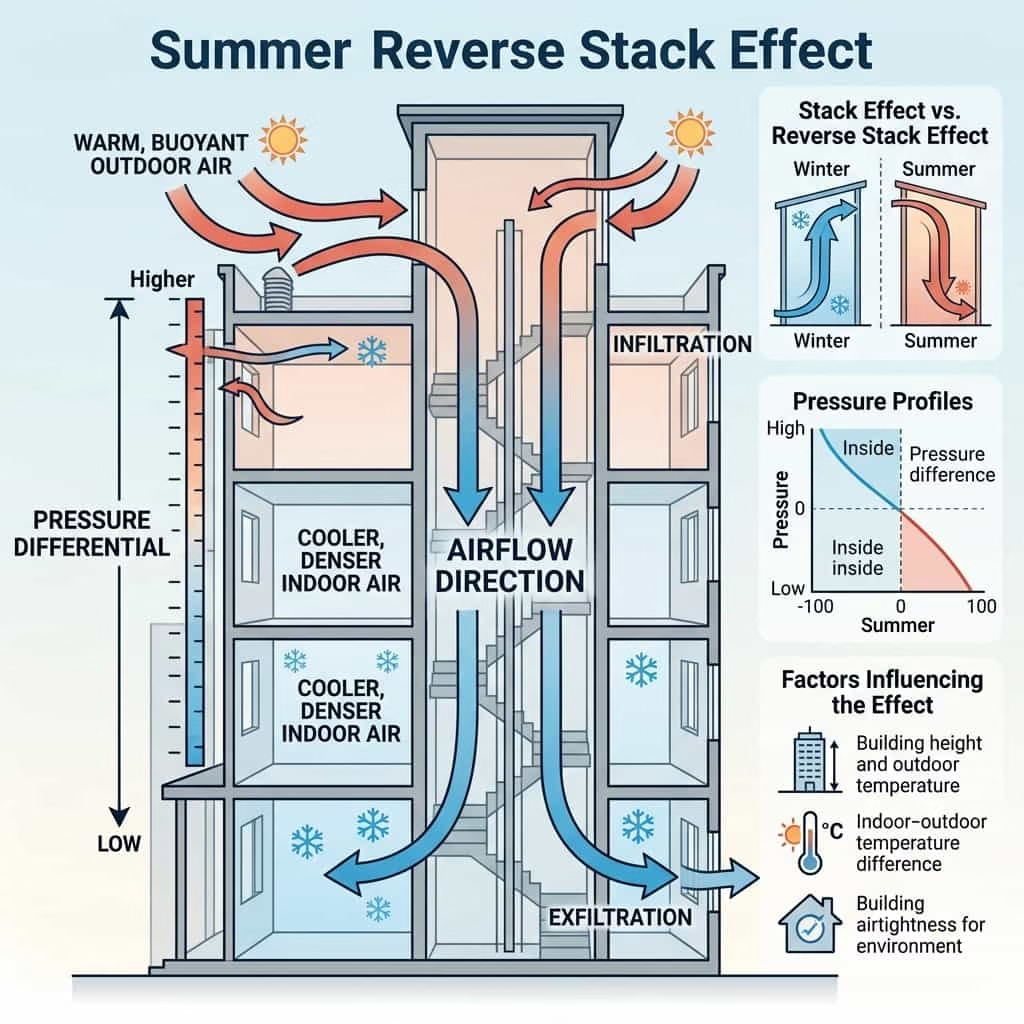
Struggling with high cooling bills? ☀️ Discover how the “Summer Reverse Stack Effect” impacts your building’s energy efficiency and comfort. Understanding airflow and pressure can lead to smarter HVAC performance. Save this pin for your next facility management meeting! #BuildingEfficiency #HVAC #EnergySaving #PhoenixAZ #FacilityManagement
The Stack Effect in Reverse
During the winter, warm air naturally rises and exits through your chimney, creating a positive, upward draft that carries smoke outside. In the summer, this process flips completely on its head. This is known as the negative pressure stack effect.
Why an Active AC Makes Your Fireplace Smell in Summer
-
Cool Air Sinks: Your air conditioner pumps cold, heavy air into your living spaces.
-
The Vacuum Effect: As this cold air settles, a structural vacuum forms on the lower levels of your property.
-
The Chimney Becomes an Intake: To replace the air pressure lost inside, your home looks for the path of least resistance to draw air in from the outside. Your open chimney flue is the perfect structural straw.
When your air conditioner runs, it pulls hot, humid outside air down through your chimney flue. As that outdoor air travels down the dark, soot-lined brick channel, it picks up all the trapped odors of past winters and deposits them directly into your living room.
Quick Answer: Odors usually stem from creosote buildup or trapped organic moisture. The specific scent profile tells a technician exactly what material is saturating your flue liners.
Not all chimney smells are created equal. The specific notes of the odor can tell a trained technician a lot about what is happening inside your masonry flue.
| Odor Profile | Likely Root Cause | Severity Level | Action Required |
| Barbecue / Campfire / Ash | Heavy creosote buildup or soot saturation | Moderate | Professional Sweep & Mechanical Scrubbing |
| Musty / Moldy / Rotten Leaves | Water intrusion, damp creosote, or biological growth | High | Waterproofing, Flue Sweep & Leak Repair |
| Decay / Rotten Egg / Ammonia | Trapped wildlife, nesting materials, or animal waste | Urgent | Biological Remediation & Cap Installation |
Creosote Saturation
Creosote is a highly flammable, dark byproduct of burning wood. Over the winter, it bakes onto the clay tiles or stainless steel liners of your chimney. When the heavy, humid Florida air is pulled down past these deposits by your AC, it liquefies the volatile chemical compounds in the creosote, releasing a pungent, smoky stench.
High Indoor and Outdoor Humidity
Ocala is famous for its subtropical climate. According to summer atmospheric tracking data, humidity levels in Central Florida routinely cross 90%. Brick and mortar are highly porous materials; they act like a sponge, absorbing water directly from the air.
When your air conditioner dries out the interior air of your home, it accelerates the evaporation of that trapped moisture inside the chimney structure. This process dramatically amplifies the smell of old soot.
📊 Data Point: Climate logs compiled by the National Weather Service confirm that Central Florida’s average summer humidity breaks 90% most mornings. This extreme saturation directly accelerates creosote off-gassing inside masonry walls.
Quick Answer: Chimney smells indicate a corrosive chemical reaction. Humid air combined with creosote creates an acidic vapor that degrades flue mortar joints over time.
It is easy to dismiss a smelly fireplace as a minor nuisance, but it is often an early warning sign of structural danger and compromised indoor air quality.
[Humid Summer Air] + [Accumulated Creosote] + [AC Negative Pressure]
↓
[Corrosive Acid Formulation]
↓
[Mortar Degradation & Flue Gaps]
Structural Damage from Acidic Moisture
When high humidity mixes with accumulated creosote, it doesn’t just create an unpleasant smell; it creates a highly acidic compound. Over time, this acidic moisture eats away at the mortar joints between your chimney’s clay flue liners.
If these mortar joints degrade, gaps will form. The next time you light a fire in the winter, intense heat, carbon monoxide, and stray sparks can escape through those gaps into the wooden framing of your walls, leading to catastrophic house fires. Treating the odor isn’t just about making your living room smell fresh; it’s about validating the structural safety of your property.
Respiratory Hazards
Soot and creosote contain microscopic particulate matter and carcinogens. When negative pressure pulls these particles into your living space, they circulate through your home’s central HVAC air ducts.
Breathing in these particles can trigger asthma attacks, worsen allergies, and cause chronic respiratory irritation for children and pets. This is why addressing these internal drafts is a paramount health priority.
💡 Expert Insight: “When our field teams inspect homes dealing with pressure issues, we routinely find degraded mortar joints hidden behind the odor problems. Treating the scent without inspecting the flue tiles creates a major hidden fire risk for the winter.” — Always A Sweep Field Supervisor
Quick Answer: Scent maskers do not solve air pressure vacuums, and consumer-grade cleaning whips lack the power to strip away hardened, volatile creosote deposits safely.
When faced with a smelly hearth, many homeowners turn to popular internet forums for a quick fix. We strongly discourage the DIY route when it comes to chimney care. While well-intentioned, these household remedies fail to address the core atmospheric problem and can make your indoor air quality significantly worse.
The Myth of Masking Agents
A common internet tip is to place a bowl of white vinegar or baking soda inside the firebox to absorb the smell. At best, this will mask a faint odor for a few hours. It does absolutely nothing to alter the negative pressure drawing the air down, nor does it remove the corrosive creosote baked forty feet up your chimney flue. Spraying chemical air fresheners into the firebox can actually react with the soot, creating a stranger, more toxic chemical aroma.
The Danger of Using DIY Chimney Whips
Some homeowners buy cheap, consumer-grade chimney cleaning rods and whips online to scrape the soot away themselves. Without professional training and high-grade video inspection cameras, a DIYer cannot see what they are doing. It is incredibly easy to accidentally crack a fragile clay flue liner with an improperly rated cleaning tool.
Furthermore, standard household vacuums do not have the specialized HEPA filtration required to trap microscopic soot particles. Trying to sweep your own chimney often results in a fine layer of toxic, carcinogenic black dust being blasted across your entire home by your HVAC system.
⚠️ Common Mistake: Using a standard shop-vac to clean up fireplace ash will blow fine soot particles straight out of the exhaust ports, contaminating your furniture, carpets, and central air ducts. Always leave chimney sweeping to certified professionals who use high-volume particulate vacuums.
Quick Answer: Keeping your throat damper closed provides a basic mechanical barrier, but installing a gasketed top-sealing damper is the most effective solution.
While you should always rely on a professional to clean and repair your structural fireplace system, there are several practical steps you can take to mitigate pressure issues in your home between your annual service appointments.
Keep Your Throat Damper Fully Closed
When your fireplace is not in use during the hot summer months, ensure your throat damper is tightly closed. While standard metal-on-metal dampers do not form a perfectly airtight seal, closing it provides a basic physical barrier against the heavy downdrafts pushed along by your central air conditioning unit.
Upgrade to a Top-Sealing Damper
If your traditional throat damper is warped, rusted, or leaking air, ask our technicians at Always Fire and Gas about installing a premium top-sealing damper.
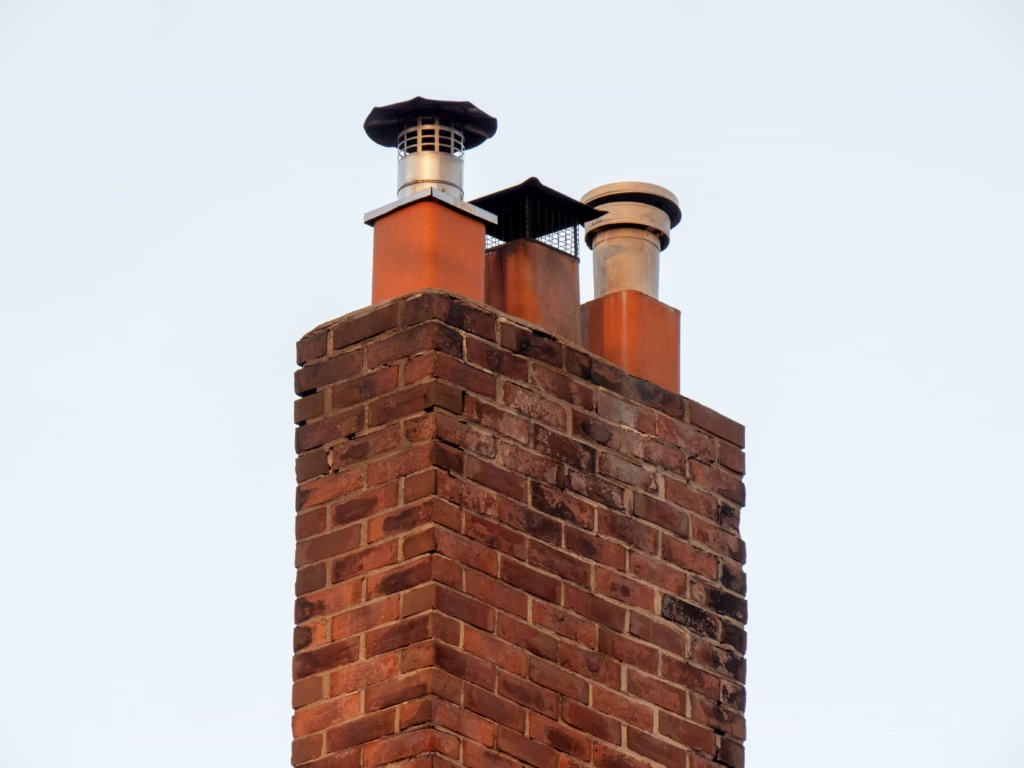
Is your chimney showing signs of wear? 🏠 Keep your home safe and warm with professional chimney repair services in Boston, MA. From brick maintenance to cap installation, we have you covered. Click to schedule your inspection today! #ChimneyRepair #BostonHomes #MasonryRestoration #HomeMaintenance #ChimneySafety
Unlike bottom-set throat dampers, a top-sealing damper is mounted to the very top of your chimney flue. It features a rubberized, airtight gasket that seals the chimney shut like a Tupperware lid when closed. This keeps hot, humid air completely out of your flue structure, effectively preventing your system from pulling odors down into your living spaces.
Manage House Pressure Variables
If your home has severe negative pressure, you can try to rebalance it by slightly opening a window located far away from the fireplace on the upper level of your house, or by checking that your HVAC fresh air intake vents aren’t blocked. This gives incoming air an alternative path into your home, reducing the vacuum pull through your smelly chimney flue.
✅ Quick Tip: Check your HVAC air filter every month during peak summer. A heavily clogged air filter forces your air handler to pull replacement air harder through alternative pathways like your chimney, immediately worsening indoor odors.
Why does the chimney smell get worse right after it rains in Ocala?
Raindrops fall down un-capped flues and saturate the porous interior bricks. When moisture combines with old soot deposits, it reactivates the smelly odor compounds. The negative pressure from your air conditioner then pulls that amplified scent directly into your home.
Can a drafty fireplace cause my summer utility bills to increase?
Yes, absolutely. If your chimney has negative pressure and a leaky damper, it is constantly pulling hot, humid air into your living spaces. Your AC unit has to work much harder to cool down this incoming warm air, leading to higher monthly utility bills.
How often should I schedule a professional chimney inspection in Florida?
The Chimney Safety Institute of America recommends having your chimney inspected at least once a year, regardless of how often you light a fire. In Florida’s humid climate, animal nesting, mold growth, and moisture intrusion can happen quickly over a single spring season.
Why does my air conditioning pull odors through shut fireplace glass doors?
Most standard fireplace glass doors do not have airtight gaskets; the y feature small operational gaps along the bottom tracks and metal frames. The vacuum pressure created by your central air conditioning unit easily bypasses these decorative frames, drawing drafts right into the room.
Can a professional chimney sweep eliminate the draft smell permanently?
A professional sweep removes the creosote and soot that produce the odor, which eliminates the scent source. To permanently stop the incoming air currents, however, you typically need to combine a thorough cleaning with a top-sealing damper installation.
Fixing the issues that arise when your AC makes fireplace smell requires a two-pronged approach. You must eliminate the chemical odor sources inside the flue and address the negative house pressure drawing the air down. By balancing your indoor air currents and keeping your chimney clear of creosote, you protect your indoor air quality and reduce structural masonry wear.
Your Next Steps to Eliminate Chimney Odors:
-
Check that your existing fireplace throat damper is completely closed.
-
Replace dirty air filters to reduce HVAC vacuum strain.
-
Schedule a comprehensive professional chimney sweeping and digital safety inspection.
Are you ready to get rid of that foul summer soot smell in your living room? Contact our expert team at Always A Sweep today to schedule your safety consultation and restore fresh, clean air to your Florida home!