by Always A Sweep Team | Jun 22, 2026 | Always Home Repair Services, Gas leakage, inspections & sweeping
AC Makes Fireplace Smell? Brilliant Fixes for Florida Homes
If you notice that your AC makes fireplace smell bad during the summer, the culprit is a phenomenon called the reverse stack effect. When your air conditioner runs continuously, it creates negative air pressure inside the lower levels of your house. This pressure drop turns your chimney into an active air intake, pulling hot, humid Florida air straight down the soot-lined flue and into your living spaces.
It is a scorching July afternoon in Ocala, Florida. The humidity outside is thick enough to cut with a knife, but inside your home, your AC is blasting crisp, cool air. You sit down to relax, but instead of enjoying your climate-controlled comfort, you are suddenly hit with a foul odor. It smells like an old campfire, sour soot, or a musty, damp basement.
You trace the scent and realize it is coming straight from your hearth. Hundreds of homeowners in Marion County experience this exact issue every single year. While it feels like a bizarre glitch in your HVAC layout, it is actually a classic case of physics, atmospheric pressure, and chimney mechanics working against each other.
📢 Important Company Announcement: You might formerly know our team as Always a Sweep. To better serve our Central Florida neighbors with comprehensive residential safety solutions, we are proudly transitioning from Always a Sweep to Always Fire and Gas. While our name is evolving to reflect our expanded expert fire protection and gas system services, our decade-long commitment to resolving your indoor air quality and chimney crises remains completely unchanged.
In this comprehensive guide, our certified team at Always Fire and Gas will break down exactly why your AC makes fireplace smell, the hidden structural and health dangers behind these odors, and why calling in a licensed professional chimney technician is the only safe way to restore freshness to your home.
📌 Key Takeaways
-
Negative Pressure Controls the Air: Running your cooling system turns unsealed flues into intake straws for outdoor air.
-
Humidity Activates Creosote: Central Florida’s heavy summer humidity rehydrates old soot, causing sour, smoky odors.
-
Acidic Vapors Damage Masonry: Humid air mixing with flue soot forms corrosive acids that slowly destroy mortar joints.
-
Top-Sealing Dampers Stop the Cycle: Installing a rubber-gasketed cap seals the top of the flue to completely block incoming drafts.
Table of Contents
-
The Science: How Air Conditioning Triggers Chimney Odors
-
Common Culprits Behind the Summer Stench
-
The Hidden Dangers: Health and Structural Threats
-
Why DIY Fixes Fall Short (And Can Be Dangerous)
-
Preventative Maintenance Tips for Ocala Homeowners
-
Frequently Asked Questions
-
Conclusion: Restoring Clean Air to Your Florida Home
Quick Answer: Air conditioners push heavy, cool air downward, creating an internal vacuum on lower floors. Your home rebalances this pressure by sucking outside air down the chimney flue.
To understand why your AC makes fireplace smell, you have to look at your house as a sealed thermal system. When your AC runs, it doesn’t just cool the room; it radically changes the air pressure dynamics inside your home.
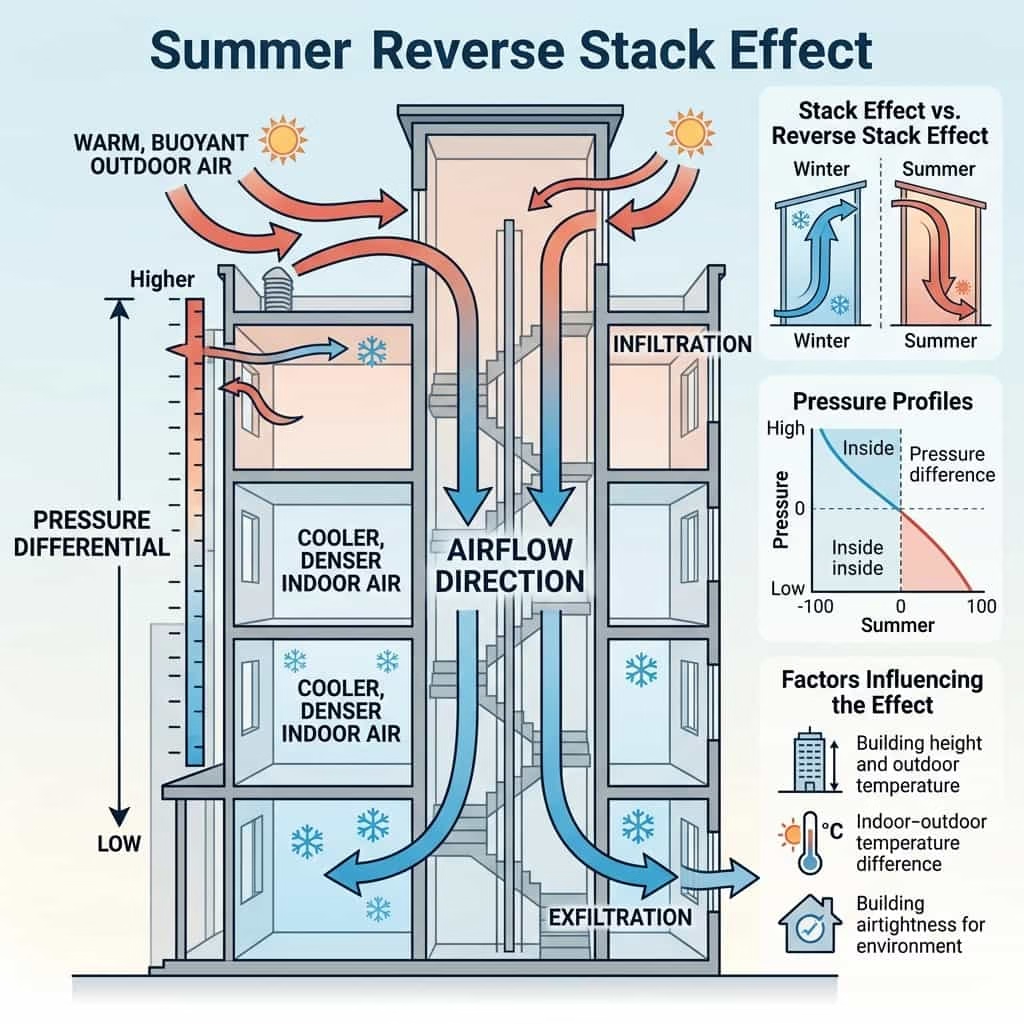
Struggling with high cooling bills? ☀️ Discover how the “Summer Reverse Stack Effect” impacts your building’s energy efficiency and comfort. Understanding airflow and pressure can lead to smarter HVAC performance. Save this pin for your next facility management meeting! #BuildingEfficiency #HVAC #EnergySaving #PhoenixAZ #FacilityManagement
The Stack Effect in Reverse
During the winter, warm air naturally rises and exits through your chimney, creating a positive, upward draft that carries smoke outside. In the summer, this process flips completely on its head. This is known as the negative pressure stack effect.
Why an Active AC Makes Your Fireplace Smell in Summer
-
Cool Air Sinks: Your air conditioner pumps cold, heavy air into your living spaces.
-
The Vacuum Effect: As this cold air settles, a structural vacuum forms on the lower levels of your property.
-
The Chimney Becomes an Intake: To replace the air pressure lost inside, your home looks for the path of least resistance to draw air in from the outside. Your open chimney flue is the perfect structural straw.
When your air conditioner runs, it pulls hot, humid outside air down through your chimney flue. As that outdoor air travels down the dark, soot-lined brick channel, it picks up all the trapped odors of past winters and deposits them directly into your living room.
Quick Answer: Odors usually stem from creosote buildup or trapped organic moisture. The specific scent profile tells a technician exactly what material is saturating your flue liners.
Not all chimney smells are created equal. The specific notes of the odor can tell a trained technician a lot about what is happening inside your masonry flue.
| Odor Profile |
Likely Root Cause |
Severity Level |
Action Required |
| Barbecue / Campfire / Ash |
Heavy creosote buildup or soot saturation |
Moderate |
Professional Sweep & Mechanical Scrubbing |
| Musty / Moldy / Rotten Leaves |
Water intrusion, damp creosote, or biological growth |
High |
Waterproofing, Flue Sweep & Leak Repair |
| Decay / Rotten Egg / Ammonia |
Trapped wildlife, nesting materials, or animal waste |
Urgent |
Biological Remediation & Cap Installation |
Creosote Saturation
Creosote is a highly flammable, dark byproduct of burning wood. Over the winter, it bakes onto the clay tiles or stainless steel liners of your chimney. When the heavy, humid Florida air is pulled down past these deposits by your AC, it liquefies the volatile chemical compounds in the creosote, releasing a pungent, smoky stench.
High Indoor and Outdoor Humidity
Ocala is famous for its subtropical climate. According to summer atmospheric tracking data, humidity levels in Central Florida routinely cross 90%. Brick and mortar are highly porous materials; they act like a sponge, absorbing water directly from the air.
When your air conditioner dries out the interior air of your home, it accelerates the evaporation of that trapped moisture inside the chimney structure. This process dramatically amplifies the smell of old soot.
📊 Data Point: Climate logs compiled by the National Weather Service confirm that Central Florida’s average summer humidity breaks 90% most mornings. This extreme saturation directly accelerates creosote off-gassing inside masonry walls.
Quick Answer: Chimney smells indicate a corrosive chemical reaction. Humid air combined with creosote creates an acidic vapor that degrades flue mortar joints over time.
It is easy to dismiss a smelly fireplace as a minor nuisance, but it is often an early warning sign of structural danger and compromised indoor air quality.
[Humid Summer Air] + [Accumulated Creosote] + [AC Negative Pressure]
↓
[Corrosive Acid Formulation]
↓
[Mortar Degradation & Flue Gaps]
Structural Damage from Acidic Moisture
When high humidity mixes with accumulated creosote, it doesn’t just create an unpleasant smell; it creates a highly acidic compound. Over time, this acidic moisture eats away at the mortar joints between your chimney’s clay flue liners.
If these mortar joints degrade, gaps will form. The next time you light a fire in the winter, intense heat, carbon monoxide, and stray sparks can escape through those gaps into the wooden framing of your walls, leading to catastrophic house fires. Treating the odor isn’t just about making your living room smell fresh; it’s about validating the structural safety of your property.
Respiratory Hazards
Soot and creosote contain microscopic particulate matter and carcinogens. When negative pressure pulls these particles into your living space, they circulate through your home’s central HVAC air ducts.
Breathing in these particles can trigger asthma attacks, worsen allergies, and cause chronic respiratory irritation for children and pets. This is why addressing these internal drafts is a paramount health priority.
💡 Expert Insight: “When our field teams inspect homes dealing with pressure issues, we routinely find degraded mortar joints hidden behind the odor problems. Treating the scent without inspecting the flue tiles creates a major hidden fire risk for the winter.” — Always A Sweep Field Supervisor
Quick Answer: Scent maskers do not solve air pressure vacuums, and consumer-grade cleaning whips lack the power to strip away hardened, volatile creosote deposits safely.
When faced with a smelly hearth, many homeowners turn to popular internet forums for a quick fix. We strongly discourage the DIY route when it comes to chimney care. While well-intentioned, these household remedies fail to address the core atmospheric problem and can make your indoor air quality significantly worse.
The Myth of Masking Agents
A common internet tip is to place a bowl of white vinegar or baking soda inside the firebox to absorb the smell. At best, this will mask a faint odor for a few hours. It does absolutely nothing to alter the negative pressure drawing the air down, nor does it remove the corrosive creosote baked forty feet up your chimney flue. Spraying chemical air fresheners into the firebox can actually react with the soot, creating a stranger, more toxic chemical aroma.
The Danger of Using DIY Chimney Whips
Some homeowners buy cheap, consumer-grade chimney cleaning rods and whips online to scrape the soot away themselves. Without professional training and high-grade video inspection cameras, a DIYer cannot see what they are doing. It is incredibly easy to accidentally crack a fragile clay flue liner with an improperly rated cleaning tool.
Furthermore, standard household vacuums do not have the specialized HEPA filtration required to trap microscopic soot particles. Trying to sweep your own chimney often results in a fine layer of toxic, carcinogenic black dust being blasted across your entire home by your HVAC system.
⚠️ Common Mistake: Using a standard shop-vac to clean up fireplace ash will blow fine soot particles straight out of the exhaust ports, contaminating your furniture, carpets, and central air ducts. Always leave chimney sweeping to certified professionals who use high-volume particulate vacuums.
Quick Answer: Keeping your throat damper closed provides a basic mechanical barrier, but installing a gasketed top-sealing damper is the most effective solution.
While you should always rely on a professional to clean and repair your structural fireplace system, there are several practical steps you can take to mitigate pressure issues in your home between your annual service appointments.
Keep Your Throat Damper Fully Closed
When your fireplace is not in use during the hot summer months, ensure your throat damper is tightly closed. While standard metal-on-metal dampers do not form a perfectly airtight seal, closing it provides a basic physical barrier against the heavy downdrafts pushed along by your central air conditioning unit.
Upgrade to a Top-Sealing Damper
If your traditional throat damper is warped, rusted, or leaking air, ask our technicians at Always Fire and Gas about installing a premium top-sealing damper.
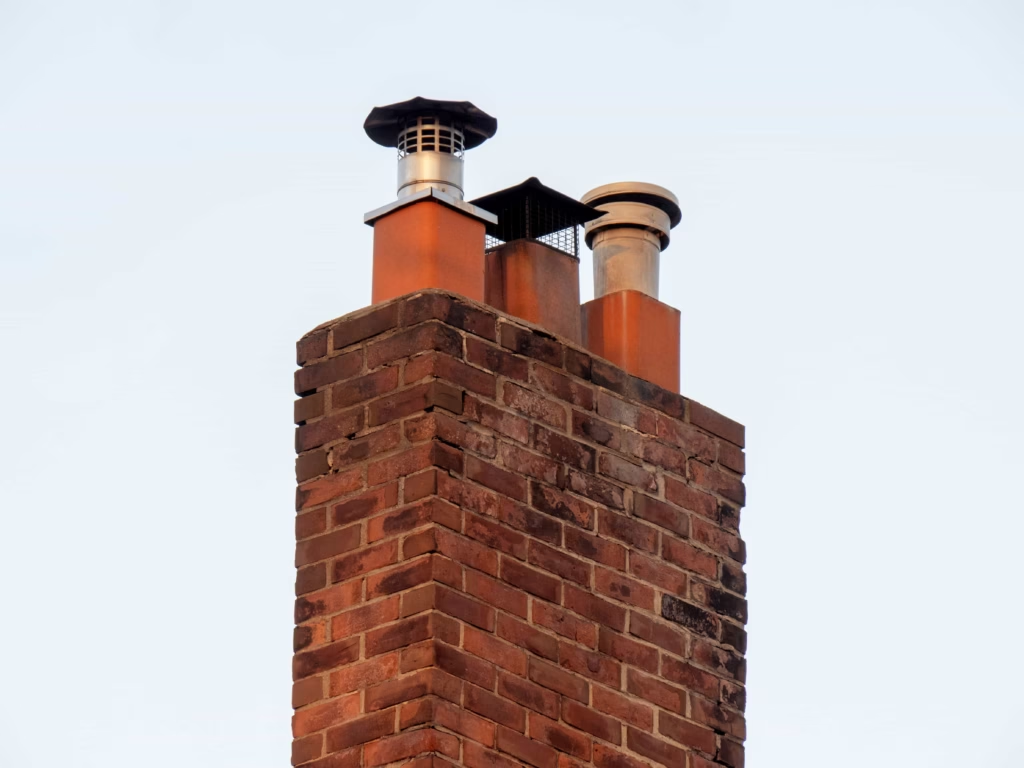
Is your chimney showing signs of wear? 🏠 Keep your home safe and warm with professional chimney repair services in Boston, MA. From brick maintenance to cap installation, we have you covered. Click to schedule your inspection today! #ChimneyRepair #BostonHomes #MasonryRestoration #HomeMaintenance #ChimneySafety
Unlike bottom-set throat dampers, a top-sealing damper is mounted to the very top of your chimney flue. It features a rubberized, airtight gasket that seals the chimney shut like a Tupperware lid when closed. This keeps hot, humid air completely out of your flue structure, effectively preventing your system from pulling odors down into your living spaces.
Manage House Pressure Variables
If your home has severe negative pressure, you can try to rebalance it by slightly opening a window located far away from the fireplace on the upper level of your house, or by checking that your HVAC fresh air intake vents aren’t blocked. This gives incoming air an alternative path into your home, reducing the vacuum pull through your smelly chimney flue.
✅ Quick Tip: Check your HVAC air filter every month during peak summer. A heavily clogged air filter forces your air handler to pull replacement air harder through alternative pathways like your chimney, immediately worsening indoor odors.
Why does the chimney smell get worse right after it rains in Ocala?
Raindrops fall down un-capped flues and saturate the porous interior bricks. When moisture combines with old soot deposits, it reactivates the smelly odor compounds. The negative pressure from your air conditioner then pulls that amplified scent directly into your home.
Can a drafty fireplace cause my summer utility bills to increase?
Yes, absolutely. If your chimney has negative pressure and a leaky damper, it is constantly pulling hot, humid air into your living spaces. Your AC unit has to work much harder to cool down this incoming warm air, leading to higher monthly utility bills.
How often should I schedule a professional chimney inspection in Florida?
The Chimney Safety Institute of America recommends having your chimney inspected at least once a year, regardless of how often you light a fire. In Florida’s humid climate, animal nesting, mold growth, and moisture intrusion can happen quickly over a single spring season.
Why does my air conditioning pull odors through shut fireplace glass doors?
Most standard fireplace glass doors do not have airtight gaskets; the y feature small operational gaps along the bottom tracks and metal frames. The vacuum pressure created by your central air conditioning unit easily bypasses these decorative frames, drawing drafts right into the room.
Can a professional chimney sweep eliminate the draft smell permanently?
A professional sweep removes the creosote and soot that produce the odor, which eliminates the scent source. To permanently stop the incoming air currents, however, you typically need to combine a thorough cleaning with a top-sealing damper installation.
Fixing the issues that arise when your AC makes fireplace smell requires a two-pronged approach. You must eliminate the chemical odor sources inside the flue and address the negative house pressure drawing the air down. By balancing your indoor air currents and keeping your chimney clear of creosote, you protect your indoor air quality and reduce structural masonry wear.
Your Next Steps to Eliminate Chimney Odors:
-
Check that your existing fireplace throat damper is completely closed.
-
Replace dirty air filters to reduce HVAC vacuum strain.
-
Schedule a comprehensive professional chimney sweeping and digital safety inspection.
Are you ready to get rid of that foul summer soot smell in your living room? Contact our expert team at Always A Sweep today to schedule your safety consultation and restore fresh, clean air to your Florida home!
by Always A Sweep Team | May 25, 2026 | Always Home Repair Services, Gas leakage
Gas Fireplace & Appliance Safety Guide for Florida Homes
Prioritizing gas appliance safety protects your Florida household from critical fire and toxic gas hazards. Homeowners can guarantee a secure living environment by scheduling annual professional inspections, installing dedicated carbon monoxide alarms, and adhering strictly to localized building codes. Safeguarding your family requires recognizing the subtle warning signs of systemic gas leaks and venting failures before they escalate into structural emergencies.
While Florida winters are generally mild, a sudden cold snap sends homeowners rushing to activate their heating units. Unfortunately, operating unmaintained or improperly installed equipment creates severe structural and health risks.
📌 Key Takeaways
-
Schedule Annual Inspections: Always book a certified professional to inspect valves, burners, and venting lines before seasonal use.
-
Install CO Alarms: Place carbon monoxide detectors at least 15 feet away from all combustion appliances on every floor.
-
Verify Flame Color: Monitor burners to ensure they always display a crisp, stable blue flame instead of a lazy yellow one.
-
Clear Combustible Obstructions: Keep all flammable materials, cleaning chemicals, and household storage items at least three feet away from gas units.
-
Hire Licensed Professionals: Never attempt DIY gas line extensions or mechanical adjustments due to severe explosion risks.
Table of Contents
-
Understand Florida’s Gas Appliance Safety Standards
-
Compare Propane vs Natural Gas Options
-
Execute a Code-Compliant Gas Fireplace Installation
-
Maintain Your Gas Appliances to Prevent Carbon Monoxide
1. Understand Florida’s Gas Appliance Safety Standards
Quick Answer: Florida enforces rigorous fuel codes to mitigate the unique structural risks posed by regional humidity, lightning, and coastal weather conditions. Compliance requires adhering strictly to national NFPA 54 standards and executing mandatory pressure tests during any line modification.
Operating fuel systems in the Sunshine State demands strict compliance with localized structural mandates. These safety measures prevent hidden underground leaks and hazardous pressure drops within your residential framework.
Adhering to NFPA 54 Fuel Gas Code
As of 2026, the updated National Fuel Gas Code dictates the exact material specifications for all residential piping networks. Mechanical contractors must use listed arc-resistant corrugated stainless steel tubing (CSST) or traditional schedule 40 black iron pipe.
Proper electrical bonding of CSST lines is mandatory to prevent lightning strikes from puncturing your system. Our service teams frequently discover unbonded lines in older coastal homes, which presents a severe structural fire risk during heavy afternoon thunderstorms.
Managing High Humidity Risks for Gas Lines
Florida’s intense ambient humidity accelerates structural corrosion on exterior pipe segments and regulator valves. Standard iron pipes rust rapidly when exposed to salty coastal air or persistent crawlspace moisture.
Homeowners must verify that all exterior fuel lines feature approved protective coatings or wraps. Check your utility meters regularly for signs of flaking, pitting, or deep rust accumulation near foundation walls.
📊 Data Point: According to the National Fire Protection Association, home heating equipment and unvented fuel appliances remain the second leading cause of structural fires nationwide.

Is your home up to code? 🔥 Safety always comes first when it comes to household gas lines. Check out this easy-to-follow infographic detailing the official gas appliance safety benchmarks and essential steps for residential code compliance. Save this guide to keep your family safe!
2. Compare Propane vs Natural Gas Options
Quick Answer: Deciding between propane vs natural gas depends entirely on regional utility infrastructure availability and your specific thermal efficiency goals. Natural gas offers continuous pipeline delivery, while liquid propane provides higher energy density per cubic foot for off-grid properties.
Selecting your primary fuel source alters your long-term maintenance obligations and structural appliance configurations. Both options offer exceptional utility performance but demand distinct pressure regulation frameworks to maintain operational safety.
Evaluating Fireplace Heating Options
When exploring premium fireplace heating options, understanding your fuel’s physical properties is absolutely critical. Natural gas is lighter than air and dissipates rapidly upward if a minor leak develops inside your living room.
Conversely, liquid propane is heavier than air and sinks into low-lying areas or basements. This pooling characteristic creates severe ignition hazards if leaks occur near pilot assemblies or baseboards.
Comparing Costs and Clean Burning
Propane contains roughly 2,516 BTUs per cubic foot, while natural gas delivers approximately 1,030 BTUs. This means you will burn a lower volume of propane to achieve identical room temperatures.
However, natural gas is usually more affordable if your neighborhood links directly to a municipal utility grid. Let’s evaluate how these fuels compare across essential residential operational metrics:
| Operational Metric |
Natural Gas System |
Liquid Propane (LP) System |
| Delivery Method |
Continuous Municipal Pipeline |
Periodic Tank Truck Refills |
| Physical Behavior |
Rises and dissipates quickly |
Sinks and pools near floor levels |
| Energy Content |
~1,030 BTU per cubic foot |
~2,516 BTU per cubic foot |
| Operating Pressure |
Low pressure (approx. 7 inches WC) |
High pressure (approx. 11 inches WC) |
⚠️ Common Mistake: Attempting to run a standard natural gas fireplace on propane without a certified manufacturer conversion kit. This error causes massive, uncontrollable soot production and dangerous carbon monoxide spikes.
3. Execute a Code-Compliant Gas Fireplace Installation
Quick Answer: A flawless gas fireplace installation requires precise venting clearance, certified supply line tracking, and professional structural calibration. Improper DIY setups void your homeowners insurance policies and create immediate structural fire hazards.
Adding a modern hearth enhances indoor comfort during rare chilly Florida winter nights. However, completing this upgrade safely requires working alongside a fully licensed mechanical contractor or a certified chimney sweep.
Every structural gas line installation requires sizing calculations to ensure adequate pressure reaches your new fireplace log set. If the pipe diameter is too small, your appliance will starve for fuel during operation.
This fuel starvation causes improper gas combustion, leading to localized soot deposits and system component failure. Technicians must always perform a formal pressure-drop analysis before tapping into your existing home manifold.
💡 Expert Insight: Our field technicians utilize specialized electronic click-meters to verify line integrity at Always A Sweep.
Venting vs Vent-Free Safety Realities
Choosing a ventless fireplace requires understanding how indoor air quality shifts during operation. Vent-free units discharge all combustion byproducts directly into your living space, utilizing an oxygen depletion sensor (ODS) for protection.
While legal in Florida, we advise caution when operating ventless units in tightly sealed, modern energy-efficient homes. B-vent or direct-vent options remain much safer by pulling outside air and exhausting fumes completely outdoors.
✅ Quick Tip: Always verify that your installer provides a dedicated shutoff valve within six feet of your fireplace hearth for rapid emergency access.
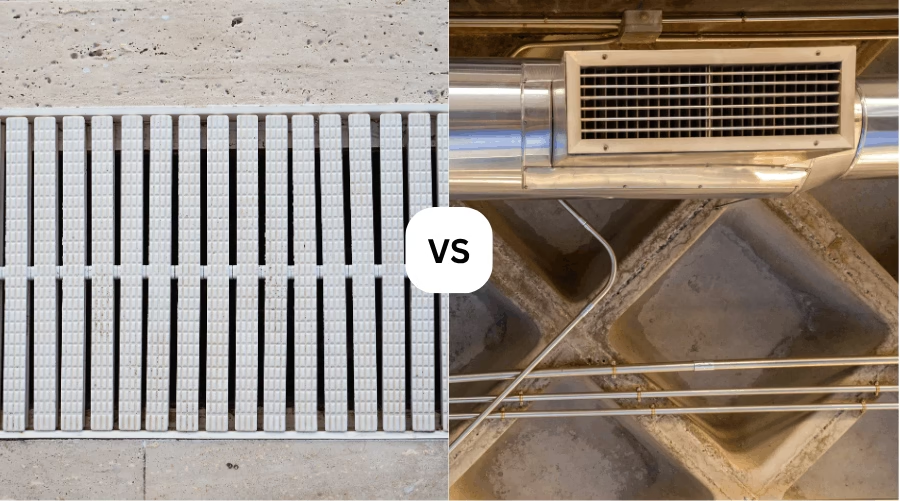
Are you overlooking hidden fire hazards in your home? 🚨 Cleaning your dryer vents and understanding your HVAC system’s layout can dramatically improve efficiency and safety. Check out our 10 essential maintenance tips to keep your airflow clear and utility bills low!
4. Maintain Your Gas Appliances to Prevent Carbon Monoxide
Quick Answer: Preventing carbon monoxide poisoning requires maintaining unrestricted airflow pathways and scheduling proactive annual appliance checkups. Early detection via electronic monitoring remains your primary defense against this colorless, odorless threat.
Routine system maintenance ensures your family enjoys clean, efficient heat without risking silent exposure to toxic emissions. Neglecting your appliances allows hidden dust buildup and insect nests to compromise critical ventilation systems.
Scheduling Annual Professional Inspections
A qualified professional technician must inspect your system elements before the winter season arrives. Dust, pet hair, and drywall debris easily accumulate inside burner ports during dusty summer renovation projects.
Research shows that annual preventative cleanings eliminate up to 94% of sudden operational failures. Our certified inspectors clear these blocks to guarantee clean fuel mixing and efficient thermal outputs.
Essential Blue-Flame Rules for Gas Appliance Safety
Homeowners must routinely monitor the visual quality of their appliance flames during standard operation. Your system burner ports should always project a stable, sharp blue flame with a distinct inner cone.
A lazy, flickering yellow or orange flame indicates incomplete combustion due to restricted oxygen delivery. This specific condition generates elevated carbon monoxide levels that will quickly trigger your household safety alarms.
⚠️ Common Mistake: Placing a plug-in carbon monoxide detector too close to a bathroom or kitchen space. Excessive humidity or minor cooking vapor causes repeated false alarms, tempting homeowners to disconnect the vital device.
💡 Expert Insight: According to safety documentation from the Lake Apopka Natural Gas District, you should never use a kitchen range or cooking oven as a makeshift room heater. Doing so creates a direct, immediate threat of lethal carbon monoxide accumulation.
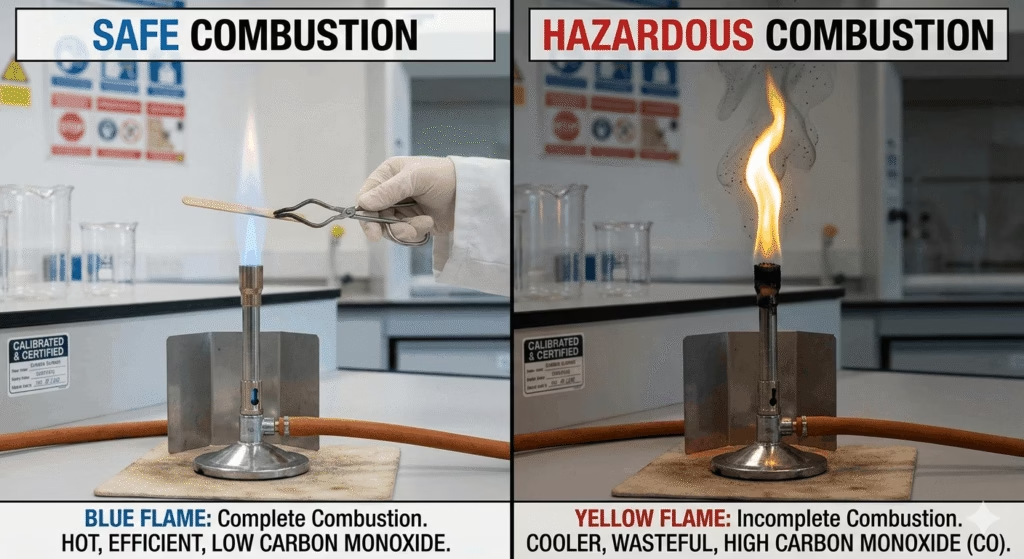
Do you know what your gas appliance flame color really means? 🔥 A crisp blue flame indicates complete, safe, and efficient combustion. If you see a flickering yellow flame, your system is suffering from incomplete combustion, which produces hazardous carbon monoxide (CO) and wastes energy. Learn how to spot the warning signs and keep your home safe!
Frequently Asked Questions
What are the main rules for gas appliance safety in high-humidity areas?
In humid climates like Florida, gas appliance safety depends on protecting metal infrastructure from rust and ensuring adequate ventilation airflow. Homeowners must inspect exterior regulator vents for corrosion and verify that all combustion air ducts remain free from local insect blockages.
How often do I need a professional gas fireplace installation inspection?
You should schedule an inspection at least once every twelve months to check for line degradation, valve leaks, and venting obstructions. Regular servicing by a certified sweep maintains appliance efficiency and validates your manufacturer’s warranty coverage.
Can I change a home from propane vs natural gas without buying new appliances?
Yes, but you must hire a professional to install a dedicated manufacturer conversion kit. This process involves swapping out the physical burner orifices and altering the internal pressure regulator settings to match the new fuel profile safely.
Where should I install a carbon monoxide detector relative to gas appliances?
You must install detectors on every level of your home, keeping them at least 15 feet away from any gas-burning appliance or fireplace. Placing them too close to a heating unit can cause false readings from minor, non-hazardous ignition startups.
What are the signs that my gas line installation is leaking?
The most common signs include a distinct sulfur or rotten-egg odor, a subtle hissing sound near pipe joints, or dead patches of grass above outdoor buried lines. If you notice these indicators, evacuate the building immediately and call your utility provider.
Conclusion
Maintaining rigorous gas appliance safety standards requires a combination of professional oversight, code compliance, and vigilant personal monitoring. By understanding fuel properties and maintaining clear venting pathways, Florida homeowners can comfortably enjoy their fireplaces for decades. Do not leave your family’s protection to chance during volatile weather seasons.
To secure your property, implement these critical next steps today:
-
Test every carbon monoxide alarm in your home using the integrated physical test button.
-
Inspect your outdoor utility meter and exposed gas lines for any surface rust or flaking.
-
Keep all boxes, blankets, and chemical solvents at least three feet away from your water heater and furnace.
-
Schedule your comprehensive system tune-up with a certified local expert.
Contact Always A Sweep today to book your expert inspection to ensure total peace of mind and code compliance for your household.
by Always A Sweep Team | May 11, 2026 | Always Home Repair Services, Gas leakage, inspections & sweeping
Propane Tank Safety 101 and The Ultimate Guide to Preparing Your Gas Lines for Summer
Propane tank safety involves ensuring all connections are leak-free, valves are unobstructed, and regulators are operating at the correct PSI. Before summer grilling begins, you must inspect hoses for “dry rot” and perform a professional pressure test. Because propane is heavier than air and highly flammable, even a minor micro-leak caused by winter “thermal contraction” can lead to catastrophic pooling and ignition.
Propane tank safety is the cornerstone of a stress-free summer. As the season of backyard gatherings approaches, homeowners often overlook the complex network of lines and valves that make a BBQ possible. However, the transition from winter dormancy to summer heat places significant stress on gas infrastructure.
While the “Do It Yourself” (DIY) culture is great for aesthetics, gas line maintenance is a high-stakes task that requires professional certification. A single loose fitting or a degraded O-ring can lead to property loss or worse. This guide provides an exhaustive look at propane tank safety, the science of gas line integrity, and why trusting experts is your smartest investment this season.
Key Takeaways
-
Airflow & Density: Propane is heavier than air; leaks “pool” on the ground rather than dissipating.
-
Thermal Stress: Winter freezing and summer expansion cause micro-fissures in rubber gas lines.
-
The 10-Foot Rule: Always store spare tanks 10 feet away from any home entrance or window.
-
Professional Logic: Digital “sniffers” and PSI pressure tests are the only 100% reliable leak detection methods.
Table of Contents
-
The Role of Safety in Home Protection
-
The Science: Why Outdoor Gas Lines Fail
-
The Dangers of DIY Gas Repairs
-
Professional Inspection Protocols
-
Propane Storage Dos and Don’ts
-
Frequently Asked Questions
Quick Answer: Propane safety protects against the 9,000+ grill-related fires reported annually. Proper maintenance ensures your appliances operate at the correct BTU output, preventing both fire hazards and expensive mechanical wear.
When we discuss propane tank safety, we are addressing a highly volatile fuel source. Propane is stored as a liquid under pressure; when it is released to the grill, it expands into a gas. According to the National Fire Protection Association (NFPA), gas grills are involved in an average of 9,000 home fires per year.
Maintaining safety isn’t just about preventing a fire. It is about ensuring the longevity of your outdoor appliances. A professional inspection ensures that every connection point, from the tank orifice to the burner manifold, is sealed and functioning at the correct BTU (British Thermal Unit) output.
Quick Tip: Before your first cookout, check the “manufacture date” on your tank’s collar. Most tanks require recertification 10–12 years after the date of manufacture.
To truly master propane tank safety, one must understand why these systems fail. Outdoor gas lines are subject to “Thermal Expansion and Contraction.”
Thermal Stress and Micro-Fissures
During the winter, metal fittings and rubber hoses contract. As summer arrives, they expand. This constant “breathing” of the materials can cause micro-fissures in hoses. Over time, these cracks widen, leading to the “slow leaks” that the average homeowner cannot smell.
Expert Insight: “In my years of servicing Florida homes, I’ve seen that humidity combined with winter temperature swings creates a ‘perfect storm’ for brass corrosion. Never assume a fitting is tight just because it hasn’t been moved.”
The “Pooling” Effect
Furthermore, propane is heavier than air. In the event of a leak, the gas doesn’t simply float away. It “pools” on the ground or in low-lying areas like grill cabinets. This creates an invisible “pool” of fuel just waiting for a spark.
Do you know the difference between safe gas usage and a major fire hazard? Knowledge is your first line of defense. From routine gas line inspections to professional fire prevention strategies, staying proactive keeps your family and property safe. Pin this guide to ensure your home’s utility systems are running securely!
Quick Answer: DIY gas repair is dangerous due to improper torque specifications and the use of incorrect sealants. Most homeowners use white Teflon tape, which is chemically incompatible with propane, leading to slow-acting leaks.
Propane tank safety should never be a DIY project. Here is why:
-
Torque Specifications: Professionals use calibrated tools to ensure fittings are tight enough to prevent leaks but not so tight that they crack the brass housing.
-
The Wrong Sealants: Many DIYers use standard plumbing “Teflon tape”. However, gas lines require specific “Yellow Gas Tape” or specialized pipe dope resistant to propane’s chemical properties.
-
Liability and Insurance: If a DIY repair leads to a fire, insurance adjusters may deny the claim based on work performed by an unlicensed individual.
Common Mistake: Using a lighter or match to “test” for a gas leak. Even if you think the leak is small, an open flame near a pooling gas source is an immediate explosion hazard. Use an electronic sniffer or soap solution only.
When a professional from Always A Sweep arrives, they look for specific points of failure that the untrained eye misses.
The Regulator and Diaphragm
The regulator is the “heart” of the system. Over time, the internal rubber diaphragm can perish. This leads to “over-pressure” (dangerously high flames) or “under-pressure” (flame outs).
Pest Intrusions
Regulators have a tiny vent hole that must remain clear. Spiders often build nests inside these holes, causing the regulator to fail. During our 2026 audits, we have found that “mud dauber” wasps are a leading cause of blocked vents in the Southeast.
| Component |
Inspection Goal |
Danger Sign |
| Regulator |
Constant PSI Flow |
Orange flames / humming noise |
| Hoses |
Elasticity Check |
Cracking or “dry rot” texture |
| Foot Ring |
Structural Integrity |
Deep pitting or flaking rust |
| Valves |
Leak-free seal |
Smell of “rotten eggs” |
To maintain propane tank safety during a heatwave, follow these strict storage rules:
-
The 120°F Limit: Propane tanks are designed to withstand heat, but if a tank reaches over 120°F, the safety relief valve may open.
-
Never Leave Tanks in Cars: A car parked in the sun can reach 150°F in minutes. This is a common cause of vehicular fires.
-
The 10-Foot Rule: Keep spare tanks at least 10 feet away from any door or window.
According to the NFPA, July is the peak month for grill fires. 16% of all home grill fires start with a leak or break in the gas line.
Frequently Asked Questions
Q: How often should I have my gas lines professionally inspected?
Answer: At a minimum, once a year before the start of the summer grilling season. If you use your grill year-round, a bi-annual check is recommended to account for the double-cycle of thermal expansion.
Q: Why does my grill flame look orange instead of blue?
Answer: An orange flame indicates “incomplete combustion.” This means your gas-to-air ratio is off, which can lead to dangerous carbon monoxide buildup. This requires a professional adjustment of the air shutters.
Q: Can I use a propane tank that has a little bit of rust?
Answer: Surface rust is common, but deep pitting or rust on the valves or foot ring is a major propane tank safety violation. When in doubt, replace the cylinder.
Q: Is the “soapy water test” enough for safety?
Answer: While helpful for large leaks, it cannot detect internal valve failures or underground leaks. Professionals use ultrasonic leak detectors that “hear” frequencies the human ear cannot register.
Secure Your Summer with Always A Sweep
Mastering propane tank safety is a journey of vigilance and professional partnership. Your outdoor oasis should be a place of joy, not a source of anxiety. By choosing professional maintenance over risky DIY attempts, you are ensuring that your summer memories are filled with the sound of laughter and the sizzle of the grill, not the sirens of emergency vehicles.
Next Steps to Secure Your Home:
-
Visually inspect your hoses for “dry rot” or cracking.
-
Ensure your tanks are stored outdoors in a well-ventilated area.
-
Book Your Professional Gas Line Safety Audit with Always A Sweep today.
by Always A Sweep Team | Apr 20, 2026 | Always Home Repair Services, Gas leakage, inspections & sweeping
Annual gas system maintenance checklist completion is the single most important task a homeowner in North Central Florida can perform to ensure year-round safety. While gas is an incredibly efficient fuel source for heating and cooking, it requires proactive management to prevent hazards like carbon monoxide poisoning or leaks.
At Always A Sweep, we understand that your fireplace and gas appliances are the heart of your home’s comfort. Neglecting these systems doesn’t just lead to inefficiency; it can lead to costly emergency repairs during the peak of winter.
A well-maintained system operates at peak performance, lowering your monthly utility bills. By following a structured maintenance routine, you extend the lifespan of your appliances and gain peace of mind knowing your family is protected.
Table of Contents
-
The Importance of Gas Safety
-
Annual Gas System Maintenance Checklist: The Essentials
-
Visualizing Your Gas System
-
The Critical Role of Professional Inspections
-
Common Signs of Gas System Wear
-
Internal & External Resources
-
Conclusion
Annual Gas System Maintenance Checklist: The Essentials
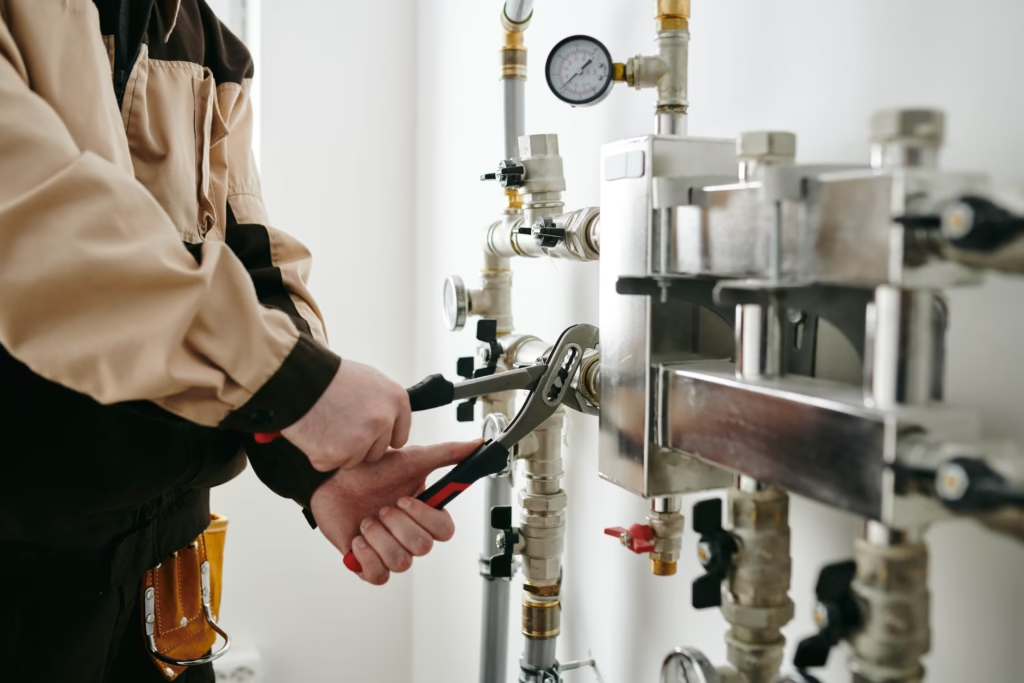
Start by examining all visible gas lines leading to your water heater, furnace, and fireplace. Look for signs of corrosion, rust, or physical damage to the pipes.
You must ensure that your CO detectors are functioning perfectly. Replace batteries annually and check the “replace by” date on the back of the device, as sensors degrade over time.
Dust and debris can clog burner ports, leading to incomplete combustion. This is especially true for gas fireplaces and outdoor propane setups.
4. Checking the Pilot Light
If your appliance has a standing pilot light, the flame should be a crisp blue. A yellow or flickering flame suggests a lack of oxygen or a dirty burner that requires immediate attention.
Ensure that exhaust vents are clear of bird nests, debris, or soot buildup. Proper venting is crucial for moving combustion gases safely out of your home.
Expert Tip: If you notice a “rotten egg” smell, leave the house immediately and call for emergency leak detection. Do not turn any lights on or off.
Visualizing Your Gas System
The Critical Role of Professional Inspections
Why DIY Isn’t Enough
While the annual gas system maintenance checklist includes tasks you can do yourself, professional expertise is non-negotiable for high-pressure components. Our team at Always A Sweep uses specialized equipment to detect leaks that are too small for the human nose to sense.
Advanced Leak Detection
We utilize electronic combustible gas detectors to sniff out trace amounts of propane or natural gas. This ensures that even “micro-leaks” at joints or valves are identified and repaired before they become dangerous.
Whether you are using a municipal natural gas line or a private propane tank installation, the maintenance requirements differ slightly. Our specialists are trained in the specific pressures and regulator settings required for both fuel types.
-
Soot Buildup: If you see black carbon deposits on your gas logs or near the furnace burners, your gas-to-air ratio is off.
-
Physical Corrosion: White or green powdery substances on copper or brass fittings indicate chemical corrosion that could lead to a breach.
-
Odd Noises: Hissing sounds near a connection point or “booming” sounds when an appliance ignites are major red flags.
-
Increased Bills: A sudden spike in gas usage without a change in weather usually indicates an underground leak or a highly inefficient burner.
By staying ahead of these issues with your annual gas system maintenance checklist, you avoid the stress of a mid-winter breakdown.
Conclusion
Completing an annual gas system maintenance checklist is more than just a chore; it is a commitment to your home’s longevity and your family’s safety. From checking pilot lights to ensuring your propane tank is properly anchored, every step counts.
Don’t wait until the first cold snap hits North Central Florida to realize your system has a fault. Always A Sweep is here to provide professional gas system inspections, new gas line connections, and comprehensive repairs.
Ready to secure your home? Contact Always A Sweep today to schedule your professional gas system maintenance and ensure your home stays warm, safe, and efficient all year long.
by Always A Sweep Team | Mar 23, 2026 | Always Home Repair Services, Gas leakage, inspections & sweeping, installation
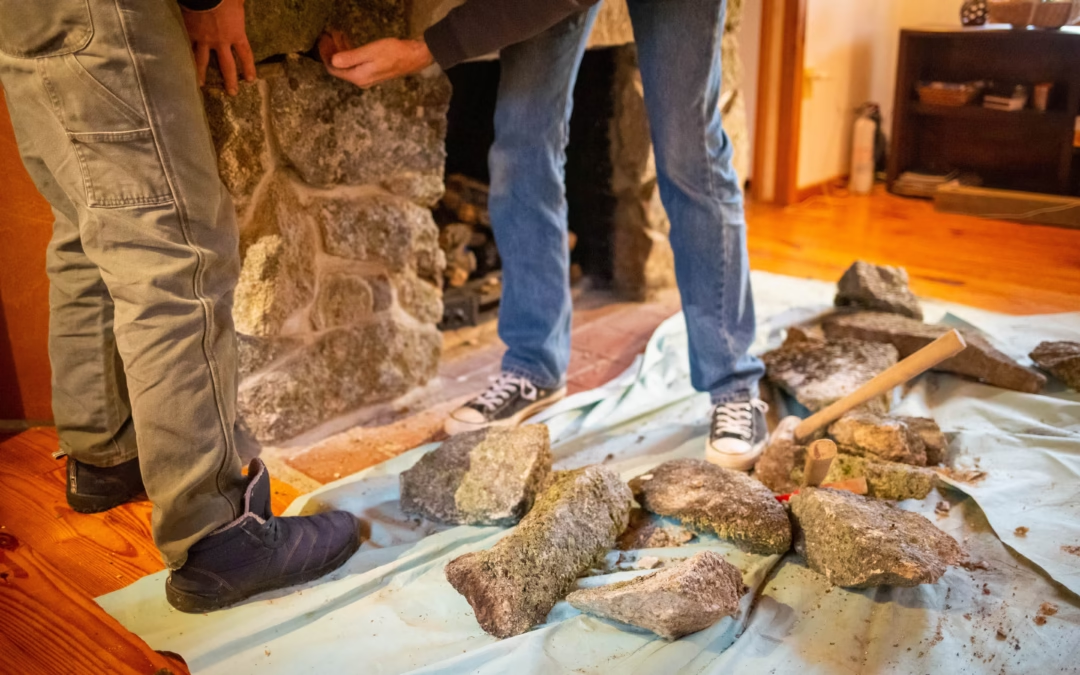
Is Your Gas Fireplace Leaking? 5 Emergency Signs & What to Do Next
If you suspect a gas leak in your home, time is your most valuable asset. While gas fireplaces offer warmth and ambiance, a malfunction can lead to carbon monoxide poisoning or fire hazards. Knowing when to call for emergency gas leak detection services near me can protect your family and your property from a preventable disaster.
At Always A Sweep, we prioritize your home’s safety. From chimney inspections to gas line integrity, our mission is to ensure your heating systems are a source of comfort, not a source of danger.
Table of Contents
-
The “Rotten Egg” Myth: How Gas Leaks Actually Smell
-
5 Emergency Signs of a Gas Fireplace Leak
-
Immediate Steps: What to Do Before Help Arrives
-
Why Professional Detection Beats DIY Methods
-
The Role of Carbon Monoxide Detectors
-
EEAT: Why Local Expertise Matters in a Crisis
-
Conclusion: Prevention is the Best Medicine
The “Rotten Egg” Myth: How Gas Leaks Actually Smell
Natural gas is inherently odorless and colorless. To make it detectable to the human nose, utility companies add a chemical called mercaptan. This creates the distinct “rotten egg” or sulfurous odor most people associate with a leak.
However, “odor fade” can occur if the gas travels through soil or if the leak is very small. This is why searching for emergency gas leak detection services near me is vital if you have any physical symptoms, even if you don’t smell a thing.
5 Emergency Signs of a Gas Fireplace Leak
If you notice any of the following, do not wait. These are the red flags that require immediate professional intervention:
-
The Hissing Sound: A distinct whistling or hissing noise near the gas valve or fireplace connection indicates gas escaping under pressure.
-
Dying Houseplants: Natural gas displaces oxygen. If your indoor plants are suddenly wilting or turning yellow despite proper care, there may be a slow leak in the vicinity.
-
Physical Symptoms: Residents may experience unexplained headaches, dizziness, nausea, or fatigue.
-
White Mist or Bubbles: If the leak is near an exterior line, you might see a “cloud” of mist. If you suspect a leak in a pipe, the soap bubble test (applying soapy water to the pipe) will show growing bubbles at the leak site.
-
Soot or Scorching: Excessive soot buildup or scorching on the outside of the fireplace can indicate improper combustion and potential gas venting issues.
Immediate Steps: What to Do Before Help Arrives
If you are currently searching for emergency gas leak detection services near me because you smell gas, follow these steps immediately:
-
Evacuate: Get all people and pets out of the house.
-
Don’t Touch Electronics: Do not flip light switches, use the phone inside, or open the garage door. A single spark can ignite the gas.
-
Open Windows: If it is safe to do so on your way out, crack the windows to allow ventilation.
-
Shut Off the Main Valve: If you know where your gas meter is and have a wrench, turn the valve to the “off” position (perpendicular to the pipe).
-
Call from Outside: Dial 911 or your local gas utility once you are at a safe distance.
Why Professional Detection Beats DIY Methods
While “bubble tests” are okay for minor checks, true emergency gas leak detection services near me use calibrated equipment. Professionals at Always A Sweep and certified gas technicians use:
-
Electronic Combustible Gas Detectors: These can find leaks as small as 50 parts per million (ppm).
-
Ultrasonic Leak Detectors: These “listen” for the sound frequency of escaping gas that the human ear cannot detect.
The Role of Carbon Monoxide Detectors
A gas leak isn’t the only danger; improper burning leads to Carbon Monoxide (CO). According to the Consumer Product Safety Commission (CPSC), CO is the “silent killer.” Ensure your home has CO detectors on every level and near sleeping areas. If your CO alarm sounds, it is an automatic emergency.
Why Local Expertise Matters
When it involves gas, “Experience” isn’t just a buzzword—it’s a requirement. Finding emergency gas leak detection services near me ensures that the technician understands local building codes and the specific climate-related wear and tear common in your area.
At Always A Sweep, our years of experience in fireplace safety mean we don’t just find the leak; we understand the structural “why” behind it. We provide trustworthy advice because your family’s safety is our primary metric of success.
Conclusion: Prevention is the Best Medicine
The best way to avoid a crisis is through annual maintenance. A routine inspection of your gas fireplace, lines, and venting systems can catch micro-leaks before they become life-threatening.
Is your fireplace overdue for a check-up? Don’t wait for an emergency. Schedule a professional safety inspection with Always A Sweep today to ensure your home remains a safe haven.
by Always A Sweep Team | Feb 16, 2026 | Gas leakage, inspections & sweeping, installation
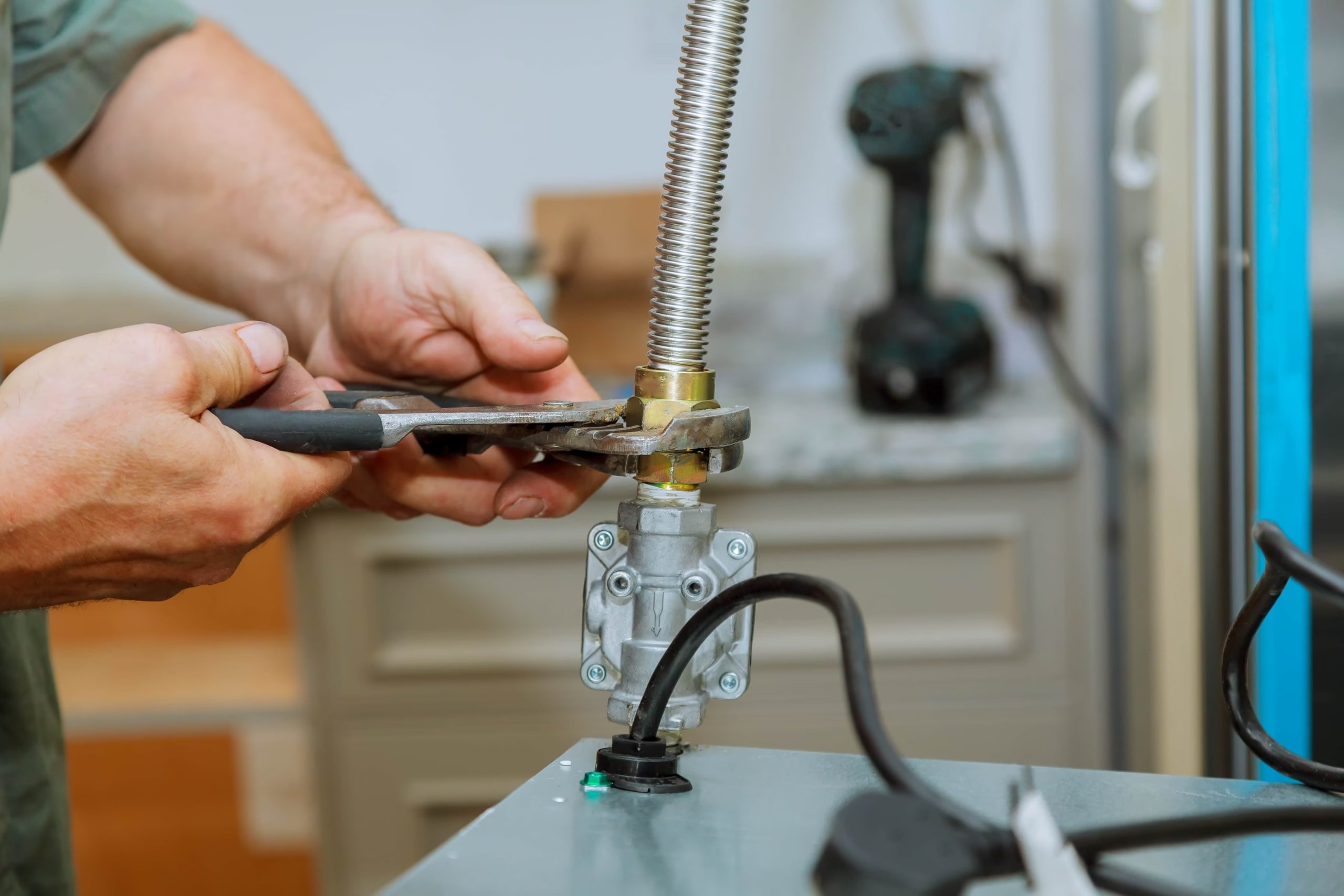
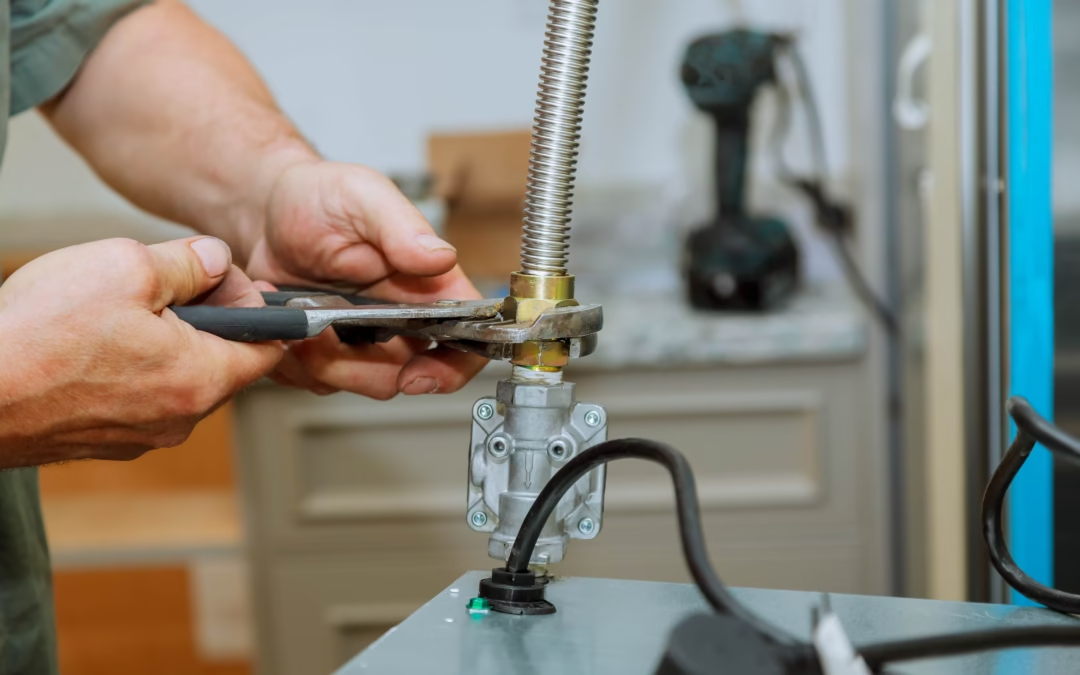
Installing a gas range line connection in Ocala is more than just a kitchen upgrade; it’s a transformation of your culinary lifestyle. Whether you are a gourmet chef or a busy parent, there is a reason professional kitchens across Florida rely on gas. It offers precision, instant heat, and a level of control that electric coils simply cannot match.
However, transitioning from electric to gas isn’t as simple as “plug and play.” It involves complex infrastructure, local Marion County building codes, and, most importantly, the high stakes of gas safety. This comprehensive guide explores everything you need to know about the installation process, the costs involved, and why a professional touch is non-negotiable for this high-powered upgrade.
The Allure of the Gas Range: Why Ocala Homeowners are Making the Switch
In the heart of Florida, homeowners are increasingly looking for ways to modernize their historic homes or customize new builds. A gas range line connection in Ocala is becoming a top priority for those who want better heat control, faster cooking times, and lower long‑term energy costs.
When you invest in a professional installation, you are gaining:
- Precision Temperature Control: Gas burners heat instantly. This means your water boils faster, and you can simmer low and slow without guessing—ideal for delicate sauces.
- Reliability During Storm Season: In the event of a Florida power outage, you can still cook for your family. Most gas ranges allow for manual lighting when the electricity is out.
- Energy Efficiency: Natural gas and propane are often more cost-effective than electricity for high-heat cooking in the Southeast.
Technical Breakdown of a Gas Range Line Connection in Ocala
A gas range line connection in Ocala involves tapping into your home’s existing gas main or propane tank and running a dedicated line to the kitchen. This isn’t just a hose; it’s a pressurized system that must be airtight and properly sized.
Sizing the Pipe for Performance
Gas pressure drops over distance. If your line is too small or the run is too long, your oven might not reach the correct temperature, or your burners may flicker. Professionals use the International Fuel Gas Code (IFGC) formulas to determine the correct pipe diameter for your specific home layout.
Materials Used: Black Iron vs. CSST
In Ocala, black iron is the standard for interior lines due to its durability. Some modern installations use CSST (Corrugated Stainless Steel Tubing). However, if CSST is used, it must be properly grounded to prevent damage from Florida’s frequent lightning strikes.
Expert Note: While flexible gas connectors are used for the final attachment to the appliance, long runs must always use rigid piping or approved CSST to meet safety standards.
Most Ocala residents use either municipal natural gas or onsite propane. Each requires specific orifice sizes on your range. A professional technician ensures that your gas range line connection in Ocala is calibrated for the specific fuel type entering your home.
If you are located in a rural part of Marion County, you likely use a propane tank. Propane burns hotter than natural gas, meaning the “conversion kit” included with your stove must be installed correctly by a licensed gas professional.
The Dangers of DIY: Why “Handyman” Hacks Are a Risk
It is tempting to look up a tutorial and think you can just tighten a few pipes. Stop right there. A DIY gas range line connection in Ocala is not just discouraged, it is dangerous.
- Carbon Monoxide Poisoning: An improper connection can lead to incomplete combustion, releasing CO. CO is an odorless, colorless, and deadly gas.
- Fire and Explosion Hazards: Gas leaks are volatile. A single spark from a light switch can ignite a room.
- Insurance Voidance: If you install your own gas line and a fire occurs, your homeowner’s insurance provider may deny your claim.
- How to Detect a Gas Leak: Utility companies add mercaptan to give gas a “rotten egg” smell. If you smell this, evacuate immediately.
Ocala has specific geological factors that influence building codes. For example, the proximity to the limestone shelf can affect how exterior lines are buried.
A gas range line connection in Ocala must adhere to the Florida Building Code. Ocala and Marion County require permits for gas line work to ensure the installation meets local safety regulations. A professional installer like Always A Sweep typically handles these permits on your behalf, ensuring your home remains compliant with local law.
Step-by-Step: The Professional Installation Process
When you hire a pro for your gas range line connection in Ocala, you are paying for a rigorous safety protocol.
- Site Assessment: Identifying the closest gas manifold.
- Permit Acquisition: Registering the project with Marion County Building Safety.
- Tapping the Main: Shutting off gas and installing a “T” joint.
- Running the Line: Routing through walls or attics.
- Pressure and Leak Testing: Using manometers and electronic gas detectors to ensure 0% leakage.
- The Final Hookup: Attaching the flexible connector and shut-off valve.
What should you expect to pay for a gas range line connection in Ocala? Prices vary based on distance and accessibility.
| Service Level |
Estimated Cost |
Impact Factors |
| Simple Connection |
$300 – $600 |
Short pipe run, easy access. |
| Moderate Installation |
$600 – $1,200 |
Average distance, standard routing. |
| Complex Installation |
$1,200+ |
Long runs, through slabs, or multiple turns. |
Note: These are estimates; a licensed installer can provide exact pricing after an inspection.
On average, a professional installation provides a massive return on investment. Potential buyers in the Ocala real estate market prioritize homes with gas cooking capabilities.
Beyond the kitchen, a gas range line connection in Ocala is often the first step in a larger gas-powered lifestyle. Once you have a gas line, you can easily extend it to:
- Gas Fireplaces for chilly Florida winters.
- Outdoor Kitchens and BBQ Grills.
- Tankless Water Heaters.
Choosing a Trusted Professional in Ocala
When selecting a licensed gas line installer, look for the following:
- Valid License and Insurance: Always ask to see a contractor license.
- Local Experience: A company familiar with Ocala understands local code nuances.
- Positive Reputation: Check Google reviews and testimonials from neighbors.
- Written Estimates: A reliable contractor provides clear pricing.
Frequently Asked Questions
How long does a gas range line connection in Ocala take?
Typically, 3 to 6 hours, depending on the complexity of the pipe run.
Can I use my old electric outlet?
Gas ranges require a standard 110v outlet for the clock and igniter. You will likely no longer need the heavy-duty 220v outlet.
Is maintenance required?
Yes. You should clean burner ports and check for a crisp blue flame. A yellow flame indicates incomplete combustion.
Why Always A Sweep is the Smart Choice for Ocala Homeowners
At Always A Sweep, we specialize in gas range line connection in Ocala, maintenance, and appliance connections. We understand the synergy between your kitchen’s exhaust system and your gas appliances. Our team ensures your ventilation system is properly rated for the BTUs of your new range.
Don’t gamble with your family’s safety. Let our certified professionals handle the heavy lifting, ensuring your new kitchen is as safe as it is beautiful.
Ready to upgrade your kitchen? Contact Always A Sweep today to schedule an inspection and get a quote for your professional gas line installation.