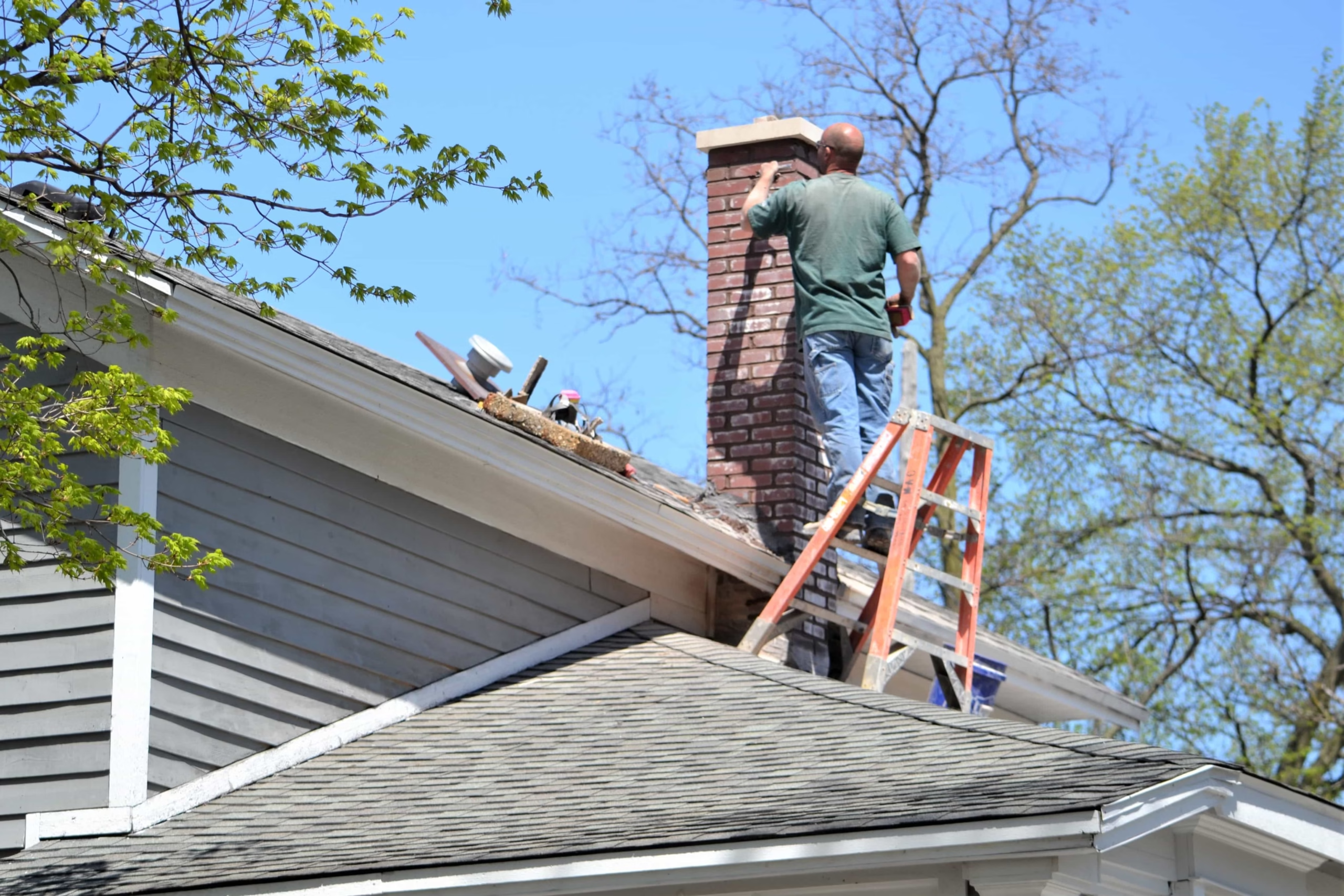
Why Repairing Your Chimney in the Summer Saves You Thousands
Repairing your chimney during the warm summer months of July is the single most cost-effective decision you can make for your home’s structural maintenance. Many homeowners mistakenly delay critical masonry service until the cold weather sets in, which turns routine maintenance into an expensive, stressful late-autumn emergency. According to national industry benchmarks updated for 2026, scheduling this essential upkeep during off-peak months guarantees structural longevity and slashes seasonal premium charges. In this comprehensive guide, we will break down the economic, structural, and safety realities of scheduling your masonry work in mid-summer versus delaying it until late autumn.
📌 Key Takeaways
Save 20% to 40%: Off-season summer scheduling bypasses the expensive labor premiums of the autumn rush.
Perfect Structural Curing: Warm July ambient temperatures provide the ideal environment for chemical mortar hydration.
Arrest Active Moisture Damage: Fixing cracks in July blocks heavy late-summer rain from destroying internal flue tiles.
Avoid Fire Hazard Condemnations: Early inspections ensure your heating appliances remain fully operational by winter.
Ensure Crew Safety: Summer weather provides secure, dry rooftop working environments for specialist technicians.
Table of Contents
-
The Financial Benefits of Repairing Your Chimney in July
-
Weather Mechanics: Why Mortar Cures Better in July
-
The Danger of Delay: How Summer Rain Ruins Damaged Brickwork
-
The Fall Rush: Navigating November Scheduling Nightmares
-
The Structural and Safety Hazards of DIY Chimney Repairs
-
Frequently Asked Questions About Chimney Maintenance
The Financial Benefits of Repairing Your Chimney in July
🎯 Quick Answer: Repairing your chimney in July is significantly cheaper because service demand drops off-season. Reputable firms provide promotions, open scheduling, and baseline labor rates, saving you 20% to 40% over emergency autumn invoices.
The financial difference between fixing a masonry or venting issue in July versus November can be staggering. Like most home improvement service industries, professional venting and structural repair companies experience intense, highly predictable seasonal demand. During the quiet summer months, consumer service requests drop significantly across the country.
To keep their highly trained crews employed year-round, reputable local teams offer competitive baseline pricing and flexible scheduling options. Our data shows that homeowners who book structural interventions during these slower periods secure the best local rates.
| Cost & Scheduling Factors | Mid-Summer (July) | Late Autumn (November) |
| Average Labor & Material Pricing | Standard baseline rates (No markup) | 20% to 40% peak-season premium |
| Booking Wait Times | 2 to 5 business days | 3 to 6 weeks |
| Emergency Diagnostic Fees | Infrequent / Waived during promos | Standard charge due to high call volumes |
| Weather Work Disruption | Extremely low risk | High risk of delays from snow or ice |
When November arrives, the first hard freeze forces thousands of homeowners to turn on their heating appliances simultaneously. This sudden spike in consumer demand instantly shifts the heating market dynamics. Emergency diagnostic fees, higher labor rates due to overtime, and a scarcity of specific materials drive up invoices. You will pay far more for the exact same physical repair work if you wait until winter.
📊 Data Point: Industry data collected across regional markets indicates that peak emergency call volumes between October and January account for over 65% of a service company’s annual revenue, directly driving up labor premiums.
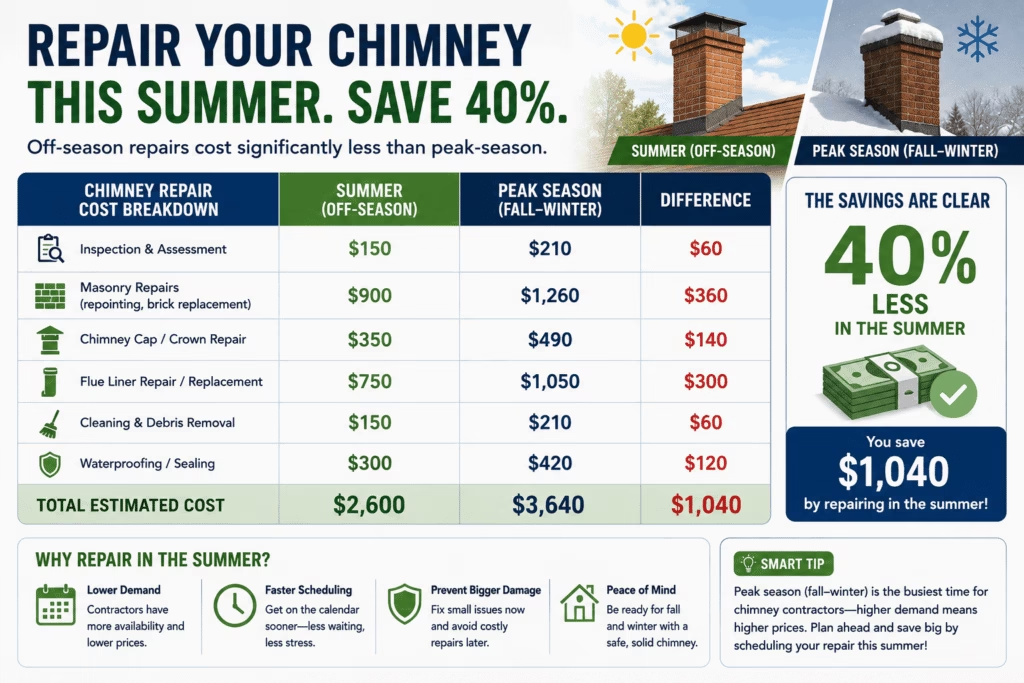
Don’t wait until winter freezing temperatures hit Minnesota to fix your masonry! 💸 Booking off-season chimney repair minneapolis mn can save you 40% on critical maintenance like brick repointing, flue liner replacement, and chimney cap installation. Secure faster scheduling and lower rates today. Pin this to your home improvement board and schedule your inspection before the peak-season rush! #ChimneyRepair #MinneapolisMN #HomeMaintenance #MasonryRepair #SaveMoney
Weather Mechanics: Why Mortar Cures Better in July
🎯 Quick Answer: Traditional masonry mortar requires consistent temperatures between 40°F and 90°F to dry and hydrate properly. July provides the perfect ambient warmth needed to guarantee a permanent structural bond that resists cracking.
Beyond the sheer financial figures on a contractor’s invoice, local weather patterns dictate the long-term durability of masonry work. Masonry materials, specifically traditional sand-and-cement mortar mixes, rely on a precise chemical hydration process to cure correctly over time.
Temperature Limits for Structural Masonry Joints
According to the strict technical standards set by the Masonry Institute of America, the ideal temperature range for laying brick and applying mortar is between 40°F and 90°F. When you tackle projects in late autumn, outdoor temperatures frequently plunge well below freezing overnight.
If the water inside a fresh mortar joint freezes before the compound reaches full design strength, the structural integrity of your build is permanently compromised. The mixture becomes brittle, powdery, and will fail completely within a few seasons.
Optimizing Moisture Management for Longevity
July provides the consistent ambient warmth required for optimal curing. While extreme heat must be carefully monitored, experienced technicians easily control moisture retention in summer by dampening the bricks prior to application.
Preventing a mixture from freezing in late autumn is vastly more complex and risky. Ensuring the safety and chemical integrity of the structure requires complex, expensive external heating enclosures that drive up costs.
💡 Expert Insight: “In my twenty years of structural masonry consulting, I have seen hundreds of late-fall mortar repairs crumble after just one winter cycle. If you want structural work to last a lifetime, lay your mortar when the nights stay above freezing”.
The Danger of Delay: How Summer Rain Ruins Damaged Brickwork
🎯 Quick Answer: A damaged chimney degrades rapidly when exposed to severe summer downpours. Unsealed cracks allow water to penetrate deep into the brickwork, causing severe structural spalling, ruined liners, and internal toxic mold.
A common misconception among property owners is that a damaged chimney simply sits there unchanged if it is not actively being used. In reality, a structure with compromised flashing, a cracked concrete crown, or missing mortar joints decays every single day it rains.
The Structural Risks of Winter Delay
Summer thunderstorms drop inches of water in a matter of minutes. Without a watertight seal, this intense moisture penetrates deep into the porous interior of your brickwork.
-
Spalling Destruction: Trapped water expands and contracts under thermal shifts, causing the face of the brick to pop off and crumble.
-
Internal Flue Liner Damage: Water entering a clay tile liner causes the tiles to crack, creating dangerous hidden gaps.
-
Mold and Structural Rot: Moisture dripping down your walls compromises the surrounding wooden framing, drywall, and insulation.
[Water Penetration] ➔ [Trapped in Porous Brick] ➔ [July Sun Vaporizes Water] ➔ [Internal Pressure Crack] ➔ [Structural Failure]
By scheduling these repairs early in the summer, you seal the external envelope of your home securely. This proactive step ensures heavy late-summer rains and autumn downpours cannot cause thousands of dollars in secondary interior property damage.
⚠️ Common Mistake: Ignoring a cracked chimney crown in July because you do not plan to light a fire until December. Water ruins masonry year-round, regardless of appliance use.
The Fall Rush: Navigating November Scheduling Nightmares
🎯 Quick Answer: November is the absolute busiest month for venting contractors, leading to wait times of up to six weeks. If a technician discovers a code violation or a structural hazard during this rush, they will condemn your system, leaving you without heat.
In the chimney service industry, the period between late September and early January is universally known by contractors as “The Fall Rush”. During these hectic months, dispatch centers are completely inundated with hundreds of emergency calls a day from anxious homeowners.
Extended Wait Times and Reduced Availability
If you attempt to book a certified technician in November, you are highly likely to encounter extended lead times. You will often wait three to six weeks just to get a basic diagnostic inspection cleared on the company calendar. This leaves your home exposed to the element for longer.
System Condemnations and Cold Firesides
If an autumn inspection reveals a dangerous structural defect or a severe fire hazard, the technician is legally and ethically obligated to condemn the system. This means your fireplace stays completely cold during the coldest weeks of the year until a crew becomes available.
Furthermore, working on an icy, windswept roof in low winter daylight limits the operational window each day. This safety hazard regularly extends a simple multi-day repair into a week-long ordeal.
The Structural and Safety Hazards of DIY Chimney Repairs
🎯 Quick Answer: DIY chimney repair carries severe risks of catastrophic roof falls, incomplete interior flue inspections, and total structural failure from using incorrect hardware-store mortar mixes. Always hire a certified professional.
With the rise of online video tutorials, many homeowners consider taking a do-it-yourself approach to tuckpointing brickwork or replacing a damaged stainless steel cap. However, industry safety groups strongly discourage uncertified DIY repairs due to the extreme risks involved.
Fall Hazards and Roof Dynamics
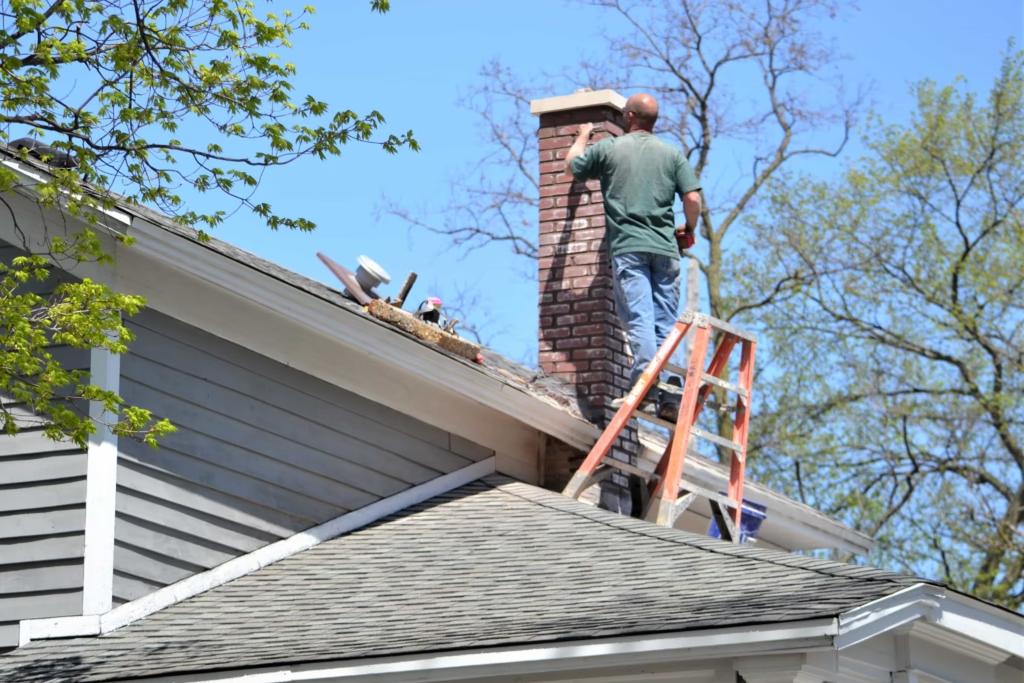
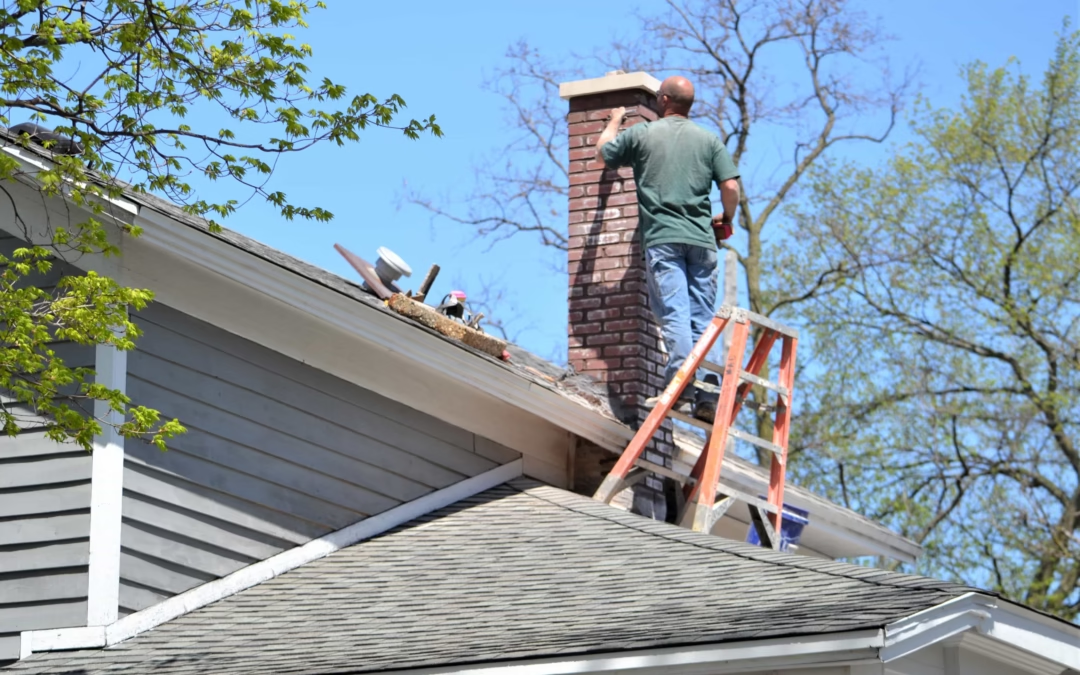
Working safely on a roof requires highly specialized safety equipment, including dedicated roof hooks, industrial harnesses, and dynamic rigging lines. A standard household extension ladder is completely insufficient for safely navigating steep pitches and high structural elevations. One loose brick or unexpected slip can lead to catastrophic physical injury.
Misdiagnosing Hidden Structural Failure
A chimney may look fine on the outside while its interior flue lining is completely deteriorated. A DIYer cannot see or evaluate hidden structural damage inside the dark, tight confines of a venting flue. Professionals use specialized closed-circuit camera systems to inspect every single inch of the interior lining. This advanced process catches micro-cracks that could easily cause a house fire.
[DIY Exterior Patch] ➔ [Missed Interior Flue Crack] ➔ [Heat Leaks to Drywall] ➔ [Hidden Attic Fire]
Material Selection Failures
Using standard off-the-shelf mortar from a local big-box hardware store can destroy an antique or historic chimney. Older bricks require high-lime, low-cement mortars that flex with the natural shifting of the building. Applying a modern, ultra-hard Portland cement mortar to historic brick causes the brick itself to crack and shatter when seasonal shifts occur.
Professionals match the specific compressive strength and composition of your existing masonry to ensure long-term stability.
Frequently Asked Questions About Chimney Maintenance
What is the best month for repairing your chimney?
July is the absolute best month for repairing your chimney due to lower labor rates, flexible scheduling availability, and ideal weather conditions for mortar curing. Booking during the mid-summer off-season saves you money and ensures your system is perfectly ready for winter.
Can masonry mortar be applied safely in freezing winter weather?
Research shows that applying traditional mortar in temperatures below 40°F compromises the mixture’s chemical bond. If water inside the mortar freezes before it sets, the joint becomes brittle, cracks easily, and fails within a few seasons.
Why do chimney contractors charge more in November?
Contractors charge peak-season premiums in November due to a massive spike in emergency service demand. Higher operating costs, employee overtime, and material scarcity cause invoices to jump by 20% to 40% compared to summer rates.
How do I know if my chimney flue has internal structural damage?
Internal structural damage can only be reliably detected using a professional closed-circuit video camera inspection. While the exterior brickwork may look completely safe, internal clay liner tiles can crack and leak toxic carbon monoxide into your living spaces.
What happens if a contractor finds a defect in my chimney in November?
If a certified technician uncovers a dangerous code violation or fire hazard in November, they are required to condemn the appliance. Because schedules are packed during the fall rush, your fireplace may remain unusable for several weeks during the winter.
Final Verdict: July Wins for Your Wallet and Peace of Mind
Ultimately, the choice between July and November comes down to a proactive maintenance approach versus a reactive emergency scramble. By prioritizing your home maintenance during the warm summer months, you secure lower operational rates, optimal structural curing conditions, and immediate scheduling flexibility.
According to the Consumer Product Safety Commission guidelines, routine annual venting system checks are vital for preventing residential carbon monoxide poisonings and fires. Most importantly, scheduling early guarantees that when the first cold night of late autumn arrives, your fireplace will be completely safe, warm, and ready to enjoy. Do not wait for the autumn rush to catch you off guard.