
Signs Your Chimney Flue Tile Is Cracked: The Ultimate Guide to Chimney Safety
Signs your chimney flue tile is cracked are often subtle, but ignoring them can lead to catastrophic house fires or carbon monoxide poisoning. Your chimney liner is the silent guardian of your home, acting as a heat-resistant barrier between the intense flames of your fireplace and the combustible wood framing of your house. When this barrier fails, the safety of your entire household is at risk.
At Always A Sweep, we specialize in identifying these hidden dangers throughout North Central Florida. Whether you have a woodburning fireplace or a modern gas insert, understanding the condition of your clay tile liner is a non-negotiable part of home maintenance.
Table of Contents
-
What is a Chimney Flue Tile?
-
Top 5 Signs Your Chimney Flue Tile is Cracked
-
The Dangers of a Damaged Liner
-
Why Professional Inspection is Mandatory
-
Solutions: Chimney Relining and Repair
-
Service Areas: Keeping North Central Florida Safe
-
Conclusion
What is a Chimney Flue Tile?
Before diving into the signs your chimney flue tile is cracked, it is important to understand what you are looking at. Most traditional masonry chimneys are lined with terra cotta clay tiles. These tiles are stacked and sealed with mortar to create a smooth, continuous path for smoke and toxic gases to exit your home.
Clay is used because it is inexpensive and resistant to the corrosive byproducts of combustion. However, clay is also brittle. Over decades of use, the constant expansion and contraction caused by heat (thermal shock) can cause these tiles to split, flake, or shift.
Top 5 Signs Your Chimney Flue Tile is Cracked
Because you cannot simply look up your chimney and see the entire flue, you have to look for secondary clues. Here are the most common signs your chimney flue tile is cracked that every homeowner should watch for:
1. Flakes of Clay in the Firebox (Spalling)
If you notice thin, red or terra cotta-colored shards of material sitting on your smoke shelf or in the floor of your fireplace, your liner is “spalling.” This happens when moisture enters the clay and freezes, or when heat stress causes the surface of the tile to peel away.
2. Visible Cracks at the Top
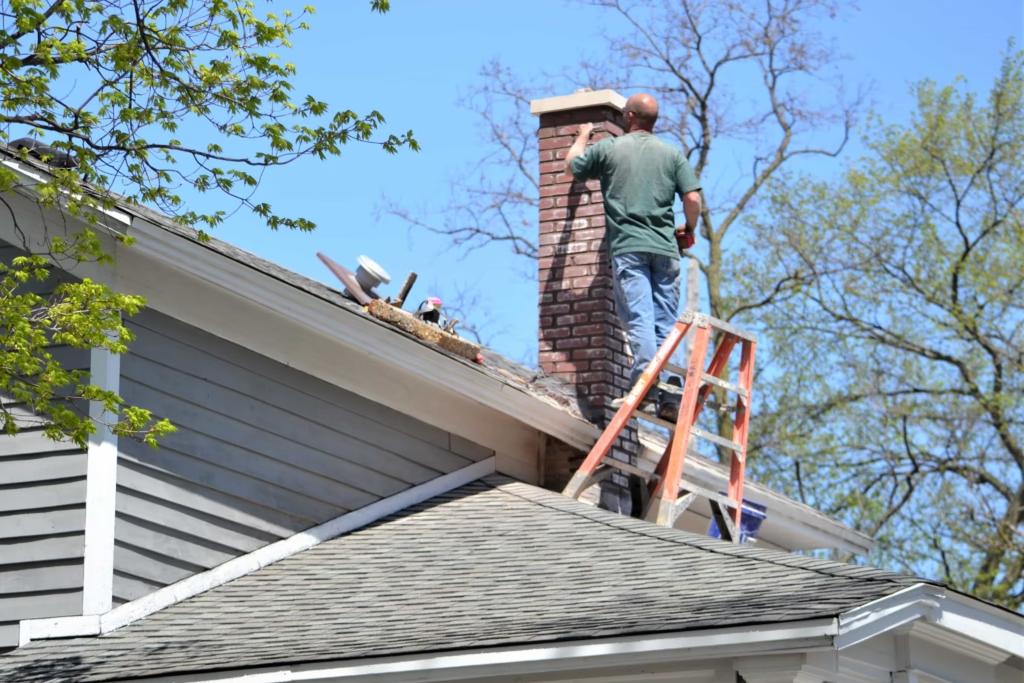
While you shouldn’t climb your roof without safety gear, a technician during a Chimney Repair can often see vertical cracks in the top-most flue tile. If the top tile is cracked, it is highly likely the tiles further down are also damaged.
3. Efflorescence (White Staining)
White, powdery staining on the exterior masonry of your chimney is called efflorescence. This indicates that moisture is moving through the chimney structure. If the flue tile is cracked, water can seep through the gaps, carrying salts to the exterior of the brick.
4. Excessive Soot and Creosote Buildup
A cracked flue creates turbulence in the airflow. When smoke hits a crack or a shifted tile, it slows down and cools, leading to rapid creosote accumulation. If your chimney seems unusually dirty shortly after a Fireplace Sweep, a cracked liner may be the culprit.
5. Odors and Draft Issues
Cracks allow smoke to linger or even seep into the walls of your home. If you smell a campfire scent in upstairs rooms or behind walls, the flue is no longer airtight.
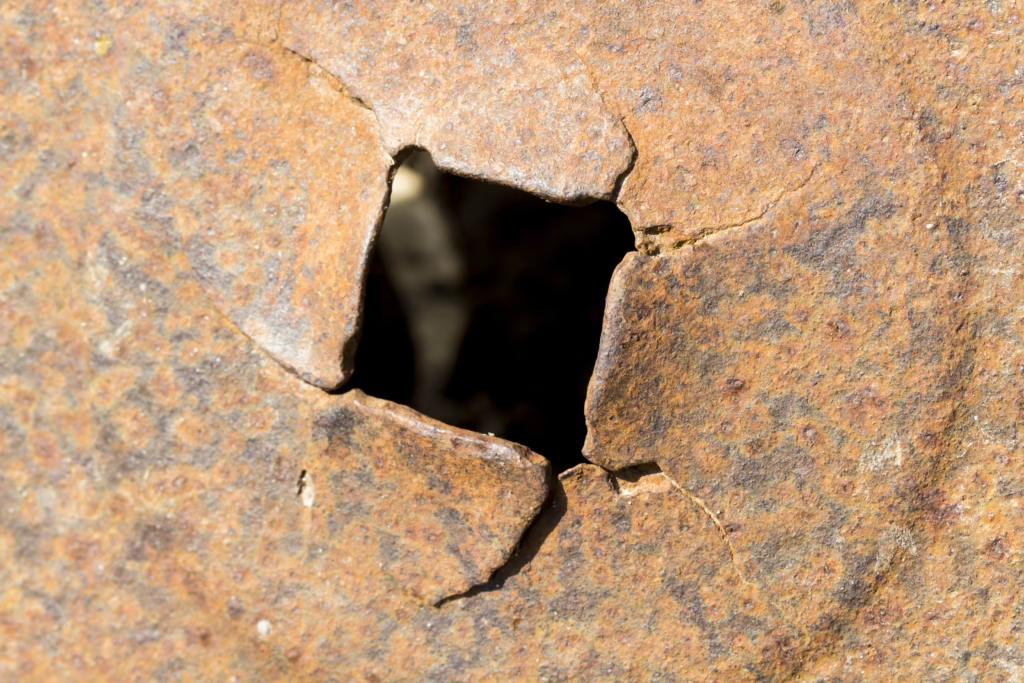
The Dangers of a Damaged Liner
Recognizing the signs your chimney flue tile is cracked is the first step in preventing a disaster. A damaged liner fails in three primary ways:
-
Heat Transfer: A crack allows heat to reach the “combustible” parts of your home (like wooden studs and rafters). It only takes a few hours of high heat to ignite seasoned wood behind a chimney wall.
-
Carbon Monoxide Leaks: The flue’s job is to direct carbon monoxide out of the house. Cracks allow this odorless, colorless, and deadly gas to enter your living spaces. You can learn more about the symptoms of CO poisoning at the Centers for Disease Control and Prevention (CDC).
-
Corrosion of Masonry: When flue gases (which are acidic) escape through cracks, they eat away at the mortar holding your chimney together from the inside out, leading to structural failure.
Why Professional Inspection is Mandatory
You cannot diagnose a cracked flue with a flashlight alone. Professional signs your chimney flue tile is cracked are best identified through a Level 2 video inspection.
At Always A Sweep, we use specialized chimney cameras that travel the full length of the flue. This allows us to see “hairline” cracks that are invisible to the naked eye but large enough to leak dangerous gases.
The National Fire Protection Association (NFPA) recommends an annual inspection for all chimney systems to ensure they remain fit for use. If you haven’t had your chimney checked in over a year, you are essentially gambling with your home’s safety.
Solutions: Chimney Relining and Repair
If we confirm the signs your chimney flue tile is cracked, the most common and effective solution is Chimney Relining.
Stainless Steel Liners
We often recommend replacing the damaged clay tiles with a high-grade stainless steel liner. These liners are flexible, incredibly durable, and come with lifetime warranties. They are safer than clay because they don’t crack under thermal shock.
Masonry Repair
In some cases, if the damage is localized to the top of the chimney, a Masonry Repair or a new chimney cap can prevent further water intrusion that leads to cracking.
Service Areas: Keeping North Central Florida Safe
Always A Sweep is proud to provide expert chimney and gas services throughout North Central Florida. We don’t just stop at chimneys; we are your full-service provider for home safety.
-
Inspections & Sweeping: Our core service to ensure your fireplace is ready for the winter.
-
Gas System Services: We handle Propane & Natural Gas System Installations and emergency leak detection.
-
Dryer Vent Cleaning: A leading cause of household fires that we help you avoid through routine maintenance.
-
Water Intrusion: If your chimney is leaking, we provide specialized assessments to stop the rot before it starts.
Whether you are in Ocala, Gainesville, or the surrounding rural areas, our team is equipped to handle everything from Woodburning Stoves to complex Gas Fireplaces.
Maintaining Your Chimney After Repair
Once you have addressed the signs your chimney flue tile is cracked, maintenance is key to ensuring the problem never returns.
-
Burn Seasoned Wood Only: Wet wood creates more creosote and more heat stress on the tiles.
-
Install a Chimney Cap: This keeps rain out, which is the #1 enemy of clay tiles.
-
Schedule Annual Sweeps: Removing creosote prevents chimney fires, which are the leading cause of cracked tiles.
Conclusion
The signs your chimney flue tile is cracked are a warning you cannot afford to ignore. From falling clay flakes to unusual odors, these symptoms point toward a breach in your home’s primary fire defense.
At Always A Sweep, we combine years of expertise with advanced technology to provide the most thorough chimney relining and repair services in North Central Florida. Don’t wait for a chimney fire to tell you there’s a problem.