No Results Found
The page you requested could not be found. Try refining your search, or use the navigation above to locate the post.

Chimneys are essential to a home’s structure, offering warmth, comfort, and ambiance. However, regular maintenance is necessary to ensure your chimney remains safe and functional. If you are in Ocala, FL, and need chimney repair services, look no further than Always A Sweep. We specialize in restoring and maintaining chimneys, so your home remains safe from potential hazards.
A neglected chimney can lead to several serious issues. From creosote buildup that increases the risk of fires to structural damages that allow dangerous gases to enter your home, the risks are substantial. Common problems include:
Not addressing these problems promptly can lead to expensive repairs, fire hazards, and health risks.

Many homeowners in Ocala do not realize how essential regular chimney maintenance is. A damaged chimney can seem like a minor issue, but the risks can escalate. If creosote accumulates within the chimney, it can become highly flammable. Additionally, cracks or damaged mortar can allow harmful gases like carbon monoxide to seep into your home, endangering your family.
Here are some signs you may need chimney repair:
Ignoring these issues could mean facing bigger, more costly problems down the road.
Always A Sweep offers comprehensive chimney repair services tailored to address the specific needs of Ocala homeowners. Our trained professionals specialize in:
We use state-of-the-art tools to assess your chimney’s condition and provide an effective solution, ensuring your home stays safe and energy-efficient.

When you invest in regular chimney maintenance, you are not just addressing potential dangers; you are also prolonging the life of your chimney. Routine inspections and repairs can help you:
At Always A Sweep, we recommend scheduling an annual chimney inspection to keep your chimney in optimal condition.
As a trusted chimney repair service provider in Ocala, Always A Sweep is committed to quality and safety. Our team of professionals is fully licensed, trained, and experienced in handling all types of chimney repairs. Here is what sets us apart:
Our clients trust us for our commitment to customer satisfaction and the safety of their homes.
At Always A Sweep, we follow a thorough and efficient process to ensure your chimney is fully repaired and safe for use. Here is a quick overview:

Two of the most overlooked yet essential parts of a chimney are the chimney cap and crown. These elements protect the chimney from water damage and debris. A damaged or missing cap or crown can lead to:
If your chimney cap or crown is damaged, Always A Sweep offers expert repair and replacement services.
Booking a chimney repair service with Always A Sweep is quick and easy. Simply visit our website at http://alwaysasweep.com/ to schedule an inspection. Our team is available to answer any questions you have, and we will work with you to find a convenient time to address your chimney repair needs.
Do not wait until it is too late. If your chimney shows signs of wear or damage, schedule a repair service today with Always A Sweep. We offer expert chimney repair in Ocala, FL, designed to keep your home safe and efficient. Contact us now at http://alwaysasweep.com/ to book an inspection and get started on your chimney repairs.
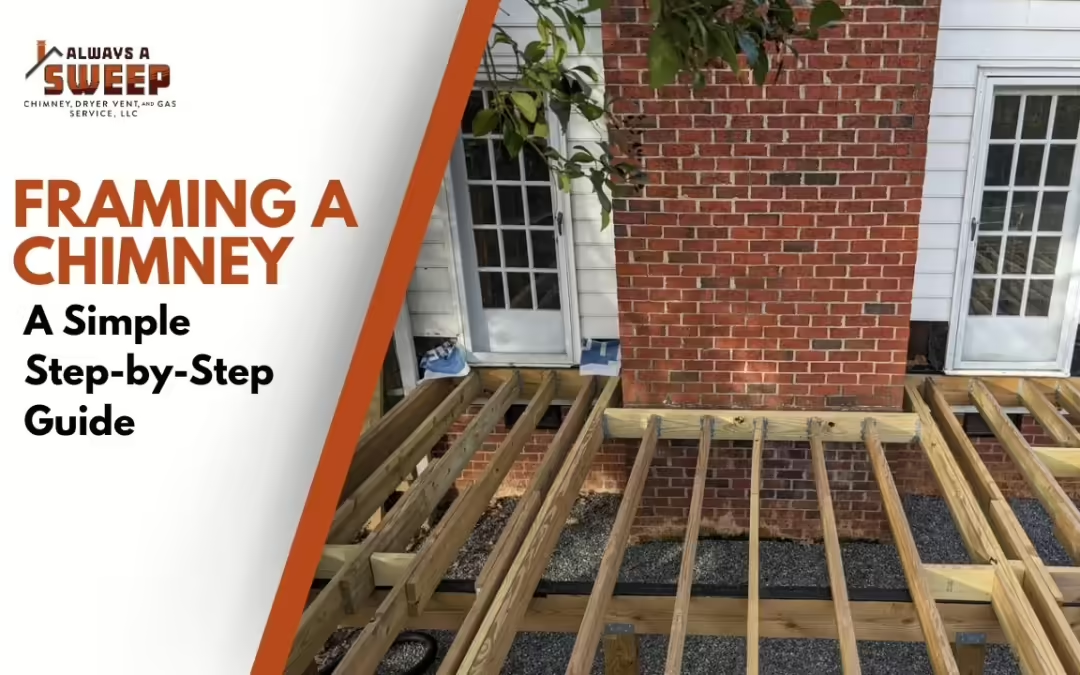
When it comes to home construction or renovation, ensuring the structural safety of your chimney is essential. Framing a chimney correctly not only supports the overall structure but also protects your home from potential fire hazards. Whether you’re building from scratch or upgrading an existing chimney, understanding the right techniques and following clear steps will make a huge difference.
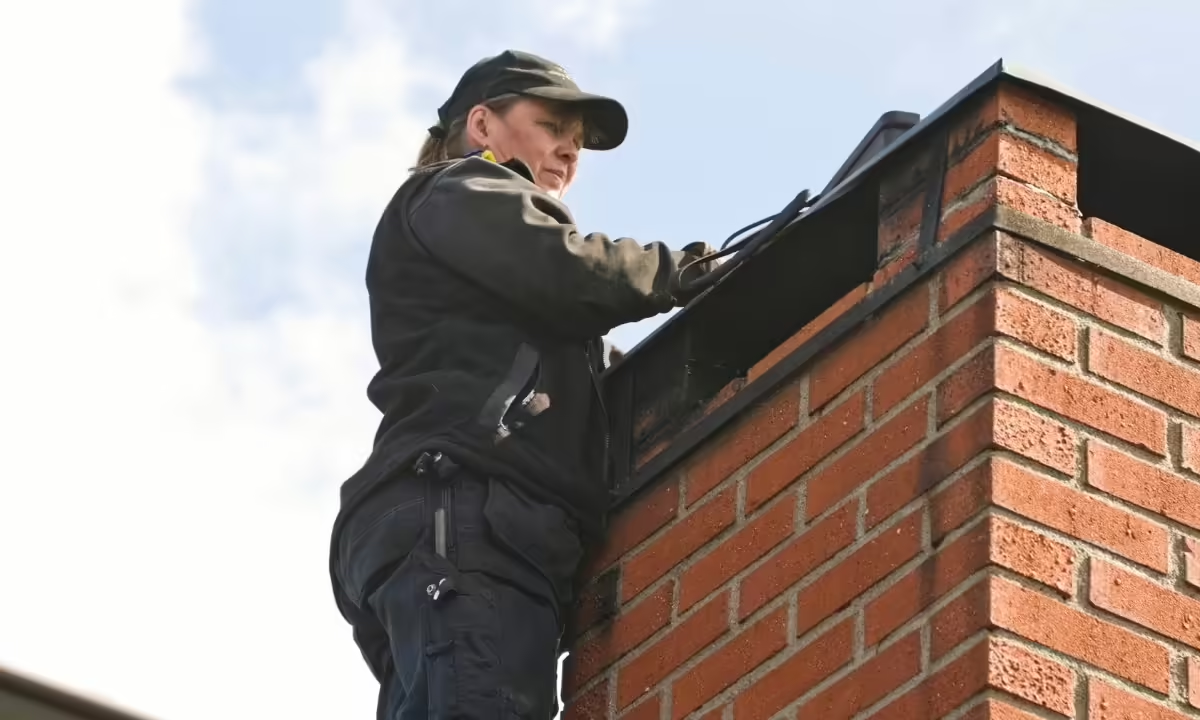
The chimney plays a critical role in maintaining proper ventilation and fire safety in your home. Poorly framed chimneys can lead to leaks, structural issues, and even fire risks. Framing a chimney might seem like a complex task, but with proper guidance and simple instructions, it becomes more manageable.
In this blog, we’ll break down the process of framing a chimney step-by-step, ensuring your structure is safe and built to last.
Before starting the project, gather essential materials. Framing a chimney involves wood, metal flashing, and fire-resistant insulation. These materials help build a solid frame that can withstand extreme temperatures and maintain structural integrity.
A well-built chimney frame ensures that smoke and gases are properly vented out of your home. When framing a chimney, make sure the foundation is strong enough to support the weight of the structure.
Quick Tip: Always double-check local building codes to ensure your chimney frame meets safety regulations.
Accurate measurements are crucial for framing a chimney. Begin by determining the size of the chimney you need based on your fireplace or stove. Once the dimensions are clear, mark the area where the chimney will be framed. Use these markings to lay the foundation.
With the area prepped and measurements in place, it’s time to start building the frame. Use high-quality lumber to ensure stability. Secure the wood framing around the base and build upwards.
Quick Tip: Make sure the framing includes space for insulation to prevent heat from transferring to other parts of the home.
Insulating your chimney frame is crucial for maintaining heat efficiency and safety. Fire-resistant insulation is recommended, as it helps block heat from escaping and keeps the framing cool. When framing a chimney, insulation should be placed between the framing and the outer chimney walls.
Once the frame is complete and insulation is in place, the next step is installing the chimney cap. The chimney cap prevents debris, animals, and moisture from entering the chimney. It also keeps sparks from escaping.
Quick Fact: A chimney cap can prevent up to 60% of downdrafts, improving the efficiency of your fireplace or stove.
Framing a chimney is not a set-it-and-forget-it task. Regular inspection and maintenance are key to ensuring the frame and overall structure remain in good condition. Look for any signs of wear, such as cracks in the framing or gaps in the insulation.
Quick Fact: Annual chimney inspections can catch small issues before they turn into costly repairs.

When framing a chimney, even small errors can lead to long-term damage. Here are some common mistakes to avoid:
Pro Tip: Always consult with a professional if you are unsure about any step in framing a chimney.

Framing a chimney might seem like a challenging task, but with the right approach, materials, and attention to detail, you can ensure your chimney is built to last. Following the steps outlined in this guide will not only improve the structural integrity of your chimney but also enhance the safety of your home.
Regular inspection and maintenance play a key role in keeping your chimney frame in top condition. Whether you’re a DIY enthusiast or hiring a contractor, knowing the basics of framing a chimney will help ensure the job is done right.
Call to Action:
Ready to frame a chimney for your home? Contact Always A Sweep today for professional guidance and chimney services. Let’s ensure your chimney is safe, efficient, and built to last!

A well-functioning dryer is essential in every home, but did you know that one of the leading causes of dryer malfunctions is a faulty vent? Over time, lint, debris, and other blockages can clog your dryer vent, leading to inefficiency, longer drying times, and even potential fire hazards. The good news is that with the right dryer vent repair kit, you can easily maintain your dryer’s performance, improve energy efficiency, and most importantly, ensure the safety of your home. In this blog, we’ll explore the importance of maintaining your dryer vent, how a repair kit works, and the best tips for keeping your dryer vent in top condition.

Dryer vents play a critical role in removing the hot, moist air from your dryer to the outside. Over time, lint and debris can build up inside the vent, causing a range of issues. A dryer vent repair kit offers a simple, effective solution for maintaining your dryer’s performance and avoiding potential dangers.
Clogged dryer vents are one of the leading causes of home fires, with thousands reported every year.
Cleaning and maintaining your dryer vent can improve your dryer’s efficiency by up to 30%.
Regular dryer vent maintenance can extend the lifespan of your dryer by preventing wear and tear.

A dryer vent repair kit is designed to clean out blockages, repair any damage, and ensure your vent is working properly. Most kits include specialized brushes, flexible rods, and other tools that help you reach deep into the vent system to remove any built-up lint or debris.
Using the tools provided, homeowners can safely clean their dryer vent, improving airflow and reducing the risk of a fire.

It’s important to recognize the signs that your dryer vent may need repair or cleaning. Here are a few common indicators that it’s time to use a dryer vent repair kit:
If your clothes take much longer to dry than they used to, it’s often due to poor ventilation. A clogged vent restricts airflow, which forces your dryer to work harder.
A burning smell coming from your dryer is a red flag. This is usually caused by lint trapped in the vent overheating. If you notice this odor, it’s essential to clean your vent immediately to avoid a potential fire.
If you find an unusual amount of lint in your dryer or on your clothes after drying, it may be a sign that your dryer vent is blocked. Lint should be properly expelled through the vent, but a blockage can cause it to back up.
Regular maintenance with a dryer vent repair kit offers several benefits, both for your safety and your appliance’s performance.
A clear vent allows your dryer to work more efficiently. By removing blockages, you improve airflow, which reduces drying times and lowers energy consumption. This can lead to significant energy savings over time.
The leading cause of dryer-related fires is lint buildup in the vent. Using a dryer vent repair kit regularly ensures that lint doesn’t accumulate to dangerous levels, significantly reducing the risk of a fire in your home.
A well-maintained dryer vent helps prevent wear and tear on your appliance. When the vent is clear, your dryer doesn’t have to work as hard to dry your clothes, which helps extend its lifespan.

When it comes to maintaining your dryer vent, you have two options: using a dryer vent repair kit yourself or hiring a professional service. Both have their advantages, depending on your comfort level and the condition of your vent.
With a dryer vent repair kit, most homeowners can clean and maintain their vent without professional help. Kits are affordable, easy to use, and can save you the cost of hiring a technician.
Pros of DIY Maintenance:
Cons of DIY Maintenance:
For those who prefer not to do it themselves or have particularly long or complex vent systems, hiring a professional service is a great option. Professionals use specialized equipment and have the experience needed to clean and repair the vent thoroughly.
Pros of Professional Cleaning:
Cons of Professional Cleaning:
Using a dryer vent repair kit is straightforward. Here’s a step-by-step guide to help you get started:
Before you begin, unplug your dryer from the wall to avoid any electrical hazards. If you have a gas dryer, make sure to turn off the gas supply as well.
Locate the dryer vent at the back of your appliance. Carefully detach the vent from both the dryer and the wall.
Using the brushes and flexible rods provided in your dryer vent repair kit, insert the tools into the vent and scrub away the lint and debris. Start from the inside of the vent and work your way out to ensure thorough cleaning.
Once you’ve cleaned the vent, reattach it to both the dryer and the wall. Make sure everything is securely fastened.
Plug your dryer back in, and test it to ensure everything is working properly. If the airflow is strong, you’ve successfully cleared the vent.
The frequency with which you should clean your dryer vent depends on how often you use your dryer. However, most experts recommend cleaning the vent every 6 months. If you notice any signs of poor ventilation, such as longer drying times or unusual odors, it’s a good idea to clean the vent sooner.
To keep your dryer functioning at its best and avoid vent problems, follow these simple maintenance tips:
Maintaining your dryer vent with a dryer vent repair kit is essential for both safety and efficiency. A clear vent reduces drying times, improves your dryer’s performance, and significantly lowers the risk of a fire in your home. By taking a few simple steps to clean and maintain your vent, you can protect your home, save energy, and extend the life of your dryer.
Call to Action
Is your dryer vent overdue for maintenance? Explore our high-quality dryer vent repair kits at Alwaysweep to keep your home safe and your dryer running efficiently!


As more people embrace apartment living and smaller homes, finding ways to maximize space and comfort has become essential. One key feature that homeowners and renters alike often desire is the warmth and aesthetic appeal of a fireplace. However, traditional wood or gas fireplaces can be impractical for small spaces, especially apartments, due to safety concerns, maintenance requirements, and installation restrictions.
Electric fireplaces offer an ideal solution, providing both the ambiance and warmth of a traditional fireplace without the complications. In this blog, we will explore why electric fireplaces are the best option for small spaces and how Always A Sweep can help you with a seamless installation.
For those living in apartments or homes with limited space, installing a traditional fireplace can present numerous challenges. These include:
These limitations can make it difficult for apartment dwellers and those with small homes to enjoy the cozy ambiance of a fireplace.

While traditional fireplaces may not be feasible in small spaces, that does not mean you have to sacrifice comfort and style. Many people dream of having a cozy focal point in their living room, where they can relax with the glow of a fire. However, without the proper space or safety precautions, this dream can seem unattainable.
Here are a few common frustrations:
At Always A Sweep, we understand the desire for an easy-to-maintain, stylish fireplace that works in any space.

Electric fireplaces offer an elegant and practical solution for apartments and small spaces. Unlike traditional fireplaces, they are safe, easy to install, and space-efficient. Here’s why they are the best option:
One of the biggest advantages of electric fireplaces is that they do not require ventilation. There is no need for a chimney, flue, or gas line, which makes them ideal for:
This simplicity makes electric fireplaces a more flexible and convenient option.
Electric fireplaces are available in a wide range of compact designs, making them perfect for small spaces.
This versatility ensures that you can find a model that suits your space, whether you are looking for something minimalist or more traditional.

Electric fireplaces are highly energy-efficient compared to wood-burning or gas options.
This efficiency makes them an eco-friendly choice, contributing to both comfort and energy savings.
Installing an electric fireplace is a simple process that does not require the major renovations necessary for traditional fireplaces.
Always A Sweep specializes in electric fireplace installations, ensuring a seamless and professional setup that fits your space and budget.
Electric fireplaces are the safest option for small spaces, especially in homes with children or pets.
This makes electric fireplaces the safest option for apartment dwellers and families alike.
Electric fireplaces offer a variety of customizable features, allowing you to create the perfect ambiance in your home.
Always A Sweep can help you select the best electric fireplace to match your style and needs, ensuring that your space looks just the way you envision.
Electric fireplaces require far less maintenance than traditional wood or gas fireplaces.
By choosing an electric fireplace, you can enjoy warmth and ambiance without the hassle of regular cleaning and maintenance.
If you are ready to enhance your apartment or small home with an electric fireplace, Always A Sweep is here to help. We specialize in electric fireplace installations that suit your space, style, and budget.
By working with Always A Sweep, you will benefit from:
Do not let limited space stop you from enjoying the comfort of a fireplace. Visit Always A Sweep today to schedule your installation and bring warmth and style to your home.
Electric fireplaces offer the perfect blend of convenience, safety, and style, making them an excellent choice for apartments and small homes. With no need for ventilation, easy installation, and energy-efficient operation, these fireplaces provide warmth and ambiance without the drawbacks of traditional models.
By choosing Always A Sweep for your electric fireplace installation, you can enjoy a hassle-free experience and the peace of mind that comes from working with experts.
The page you requested could not be found. Try refining your search, or use the navigation above to locate the post.


When it comes to maintaining a safe and efficient chimney, cleaning is a crucial task. However, the cost of chimney cleaning can vary significantly based on several factors, with size and condition being the primary determinants. Understanding how these factors influence pricing can help you budget for this essential service more effectively.
Chimney cleaning is an important maintenance task that ensures your chimney functions correctly and safely. The cost of chimney cleaning can be influenced by various factors, including the size and condition of the chimney. By understanding these factors, homeowners can make informed decisions and plan their budget accordingly.

The size of your chimney plays a significant role in determining the cost of cleaning. Larger chimneys require more time and effort to clean thoroughly, which can increase the overall cost. Here are some key points to consider:
A larger chimney generally involves more work, which can result in higher cleaning costs.

The condition of your chimney is another critical factor influencing the cost of cleaning. A chimney in poor condition requires more extensive cleaning and inspection, which can increase the overall cost. Consider the following aspects:
A chimney in poor condition can lead to increased labor and materials, affecting the overall cost of cleaning.
Regular maintenance is essential for keeping your chimney in good condition and minimizing cleaning costs. Regular inspections and cleanings can prevent significant build-ups and blockages, which can reduce the frequency and cost of professional services. Here are some benefits of regular maintenance:
By investing in regular maintenance, you can ensure your chimney remains in optimal condition and potentially lower cleaning costs.
Selecting a reputable chimney cleaning service is crucial for ensuring quality work and fair pricing. Look for a company with experience and positive reviews to ensure you receive reliable and effective service. Consider these factors when choosing a provider:
Always A Sweep offers professional chimney cleaning services with a focus on quality and customer satisfaction. We provide detailed assessments and transparent pricing to ensure you receive the best value for your investment.
At Always A Sweep, we understand the factors that influence chimney cleaning costs and strive to provide affordable and high-quality services. Our team is equipped to handle chimneys of all sizes and conditions, ensuring thorough and efficient cleaning.
The page you requested could not be found. Try refining your search, or use the navigation above to locate the post.