How to Stop a Potent Dormant Chimney Smell Caused by Florida Humidity
A foul dormant chimney smell inside your Florida home during the summer is primarily caused by extreme outdoor humidity mixing with leftover creosote, mold, or organic debris inside an unsealed flue. When your air conditioning runs, it creates a negative pressure system that pulls these heavy, moisture-activated odors down into your living spaces. You can eliminate this problem entirely by scheduling a professional spring chimney sweep and installing a top-sealing damper to seal out external air.
When the sweltering tropical summer hits, your fireplace is probably the absolute last thing on your mind. You turn down the air conditioning and seal up your home to survive the heat. Yet, a strange, sour aroma often begins to waft into your clean living room. It smells like a stale campfire, a dirty barbecue pit, or a damp basement. Reclaiming your indoor air quality requires a clear understanding of why this happens.
📌 Key Takeaways
Humidity Triggers Smells: High moisture re-activates carbon-based creosote deposits stuck inside the brickwork.
Negative Pressure Effect: Indoor air conditioning draws outdoor air down through open vents.
Biological Hazards: Dark, damp flues become major breeding grounds for toxic mold and hidden mildew.
Professional Fixes Work: Top-sealing dampers and rotary sweeps stop draft odors permanently.
DIY Risks Are High: Amateurs risk inhaling carcinogens or cracking delicate clay liner tiles.
Table of Contents
-
The Science of Summer Venting Odors
-
5 Reasons Florida Humidity Triggers a Dormant Chimney Smell
-
The Dangers of a DIY Approach to Fireplace Odors
-
How Professionals Eliminate Chimney Draft Odors
-
Preventative Maintenance Tips for Florida Homeowners
-
Frequently Asked Questions About Fireplace Odors
The Science of Summer Venting Odors
🎯 Quick Answer: Chimneys vent air based on pressure and temperature differences. In summer, cool indoor AC air creates a low-pressure draft that pulls heavy, humid, odor-filled outdoor air down into the home.
To understand why your fireplace smells bad in July, it helps to look at structural airflow. Your flue is essentially a massive pipe designed to vent combustion gases safely away. Air does not just move upward automatically. It travels based on precise atmospheric pressure changes.
During the winter, hot fireplace gases rise naturally because they are lighter than cold outdoor air. In the summer, this entire environmental process reverses completely. The heavy, moisture-laden air outside presses down into the masonry stack. Meanwhile, your home’s air conditioner creates a lower pressure system indoors. This draws the air downward, pulling all the foul odors trapped inside the masonry straight into your home.
📊 Data Point: According to regional residential airflow studies, a standard kitchen range hood or bathroom exhaust fan can increase indoor negative pressure by up to 15 Pascals, accelerating downward fireplace backdrafts.
5 Reasons Florida Humidity Triggers a Dormant Chimney Smell
🎯 Quick Answer: Subtropical humidity re-activates old creosote, feeds mold spores, decomposes animal nests, and mixes with rainwater leaks. These elements combine to produce a highly concentrated dormant chimney smell.
Florida has a unique subtropical climate that is notoriously tough on home masonry. The local environment accelerates wear and tear on venting systems. Here are the five primary reasons your home is currently suffering from a severe dormant chimney smell.
1. Creosote and Humidity Re-Activation
Every single time you burn wood, combustion byproducts travel up your flue. Over time, these byproducts condense into a dark, oily, carbon-dense substance known as creosote. During dry winter months, creosote remains solid and low-odor.
However, Florida summers bring extreme relative humidity. According to climate data tracked by the National Weather Service, Florida regularly sees summer humidity levels exceeding 80%. This heavy airborne moisture enters your open flue and gets absorbed by porous creosote deposits. The water molecules dissolve and re-activate the soot odors, releasing a potent, concentrated smokey stench.
2. The Negative Pressure Air Effect
Modern homes are built to be highly energy-efficient, well-insulated, and completely airtight. While this keeps your electric bill manageable, it creates an atmospheric phenomenon known as negative pressure.
As your HVAC system circulates air, your house looks for ways to pull replacement air from the outside. Your fireplace flue is the easiest path of least resistance. The heavy, humid outdoor air forces its way down your chimney, picking up smells along the way. It deposits that foul air directly into your active living spaces.
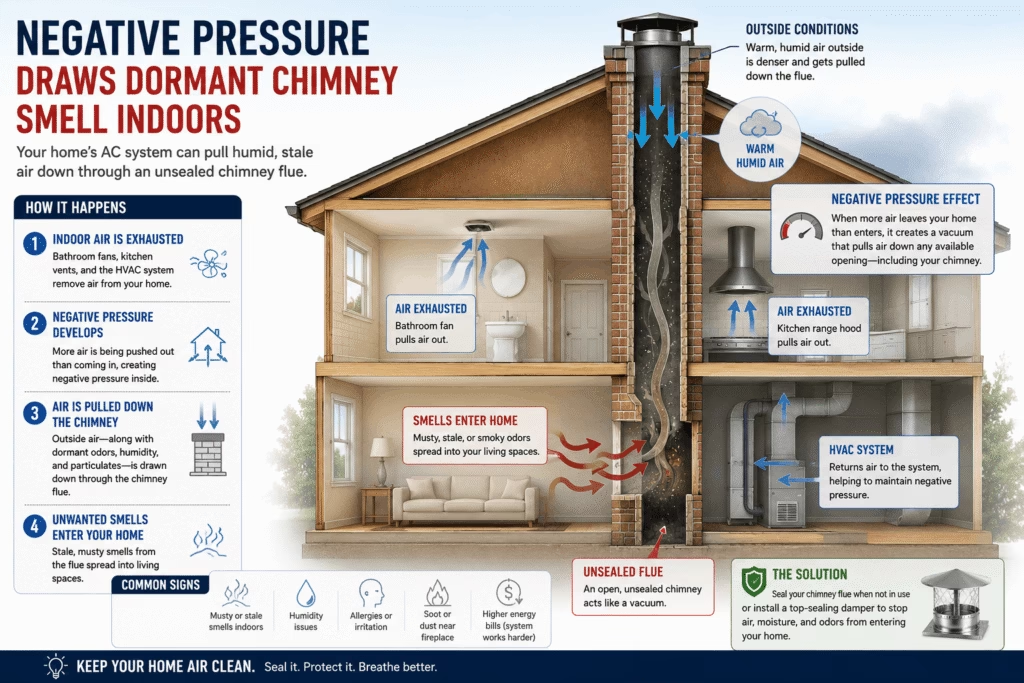
Does your living room smell like a campfire or stale soot whenever the AC kicks on? 🏡🔥 Negative air pressure can turn your unsealed fireplace flue into a vacuum, pulling hot, humid outside air and musty odors directly into your home. Discover how a professional chimney sweep atlanta ga can fix this issue with proper cleaning and a top-sealing damper. Save this pin and schedule your chimney service today to breathe easier! #ChimneySweep #AtlantaGA #FireplaceRepair #HomeMaintenance #IndoorAirQuality
3. Hidden Mold and Mildew Growth
Because chimney bricks and mortar are highly porous materials, they easily absorb water from the surrounding atmosphere. When you combine constant humidity with dark, unventilated spaces, you create a breeding ground for biological growth.
Mold and mildew love to grow inside a dark chimney liner. The spores feed on dust, organic debris, and carbon deposits inside the stack. This creates a distinctive, pungent, earthy stench that smells entirely different from campfire smoke. If you notice a damp odor, mold growth driven by regional humidity is almost always the root cause.
4. Animal Infiltration and Trapped Debris
During spring and early summer, many native Florida birds, raccoons, bats, and squirrels look for safe spaces to nest. An unprotected chimney flue looks exactly like a hollow, secure tree trunk to them.
Animals frequently build nests directly inside the flue or become trapped and perish inside the structure. Combined with leaves, twigs, and intense summer heat, the resulting decomposition produces a terrible odor. This debris also restricts natural airflow, packing the foul smells tightly into the bottom of the stack until they spill out.
5. Structural Water Leaks from Summer Storms
Florida summers are famous for intense, daily afternoon thunderstorms and tropical depressions. These severe downpours throw hundreds of gallons of water directly against your home’s exterior masonry.
If your chimney is missing a proper cap, has cracked mortar joints, or features a damaged flashing seal, rainwater pours inside. This internal water saturation damages your fireplace walls and mixes with baseline soot to form a foul-smelling sludge. This moisture causes permanent structural decay if it is not resolved by an expert team.
💡 Expert Insight: “As of 2026, over 40% of the chimney odor calls we handle in coastal Florida stem directly from failing flashing membranes that let rainwater turn baseline soot into a rotting sludge.”
The Dangers of a DIY Approach to Fireplace Odors
🎯 Quick Answer: DIY chimney cleaning risks exposing your family to toxic carcinogens and causing hidden structural damage. Consumer tools cannot reach deep creosote deposits or fix pressure imbalances safely.
When faced with an offensive odor, it is completely natural to want to fix it yourself immediately. Homeowners frequently browse internet forums and attempt to scrub their own fireplaces using retail chemical cleaners. However, attempting a DIY cleanup to fix a dormant chimney smell is highly discouraged for several critical safety and structural reasons.
Chemical and Health Exposures
Creosote contains concentrated polycyclic aromatic hydrocarbons (PAHs). According to environmental safety data published by the Centers for Disease Control and Prevention, these compounds are classified as known human carcinogens. Inhaling or touching these particles without industrial-grade particulate respirators poses severe health risks.
[DIY Scrubbing Without Gear] ➔ [Inhalation of Toxic PAH Creosote Dust] ➔ [Severe Respiratory Distress & Carcinogen Exposure]
Hidden Structural Risks
Scrubbing blindly with consumer-grade wire brushes can easily score, scratch, or break delicate clay flue tiles or liner seams. These hidden structural cracks allow deadly carbon monoxide to seep into your home the next time you light a fire.
Furthermore, consumer tools simply cannot reach the deep geometry, smoke shelves, and high bends of a standard system. Spraying consumer liquid deodorizers down a dirty stack actually introduces more moisture into the creosote. This frequently makes the odor twice as intense as it was before you started.
⚠️ Common Mistake: Spraying liquid household perfume or water-based deodorizers inside a smelly fireplace firebox. This increases humidity levels and amplifies the chemical re-activation of deep creosote.
How Professionals Eliminate Chimney Draft Odors
🎯 Quick Answer: Certified professionals use closed-circuit cameras, heavy-duty rotary loops, targeted non-toxic biocides, and mechanical top-sealing dampers to safely eliminate odors at their source.
Resolving a persistent summer odor requires a systematic, professional evaluation. A certified sweeping service does not just mask the odor; they eliminate the root environmental causes.
| Professional Step | What it Accomplishes | Why DIY Cannot Replicate It |
| Video Camera Inspection | Runs specialized closed-circuit cameras down the flue to spot hidden liner cracks, nests, or water entry points. | Requires thousands of dollars in specialized diagnostic imaging equipment. |
| Industrial Creosote Removal | Utilizes mechanical rotary loops and specialized chemical solvents to safely strip hardened creosote down to bare masonry. | Retail brushes cannot clear hardened, glazed tar creosote layers. |
| Biological Sanitization | Applies targeted, non-toxic biocides formulated specifically to neutralize mold spores without degrading old brickwork. | Standard household bleach destroys delicate mortar joints over time. |
| Damp Rejection & Sealing | Installs custom industrial top-sealing dampers and stainless steel caps to completely shut out exterior air and rain. | Requires dangerous high-altitude roof work and precise physical sizing measurements. |
By hiring an experienced, licensed team, you guarantee that the structural integrity of your home is protected while completely removing the source of the foul odor. Our team follows strict safety protocols outlined by national chimney safety networks like the Chimney Safety Institute of America (CSIA) to ensure your system meets baseline safety codes and stops the dormant chimney smell permanently.
Preventative Maintenance Tips for Florida Homeowners
🎯 Quick Answer: Prevent summer odors by installing a rubber-gasketed top-sealing damper and scheduling your professional chimney sweeps in the spring before seasonal humidity spikes.
The best way to handle a foul fireplace smell is to stop it from developing in the first place. By taking proactive measures during the spring, you can enjoy a fresh, odorless home all summer long.
Install a Top-Sealing Damper
Traditional throat dampers are notoriously inefficient. They feature a loose metal-on-metal design that allows humid air to leak past easily. A professional can install a top-sealing damper at the very top of your chimney. This features a tight rubber gasket seal that acts exactly like a weather-stripped door, locking humid air out completely.
Schedule Your Sweeps in Spring
Don’t wait until late fall to call for service. Scheduling your annual maintenance in the spring ensures that all the leftover winter soot and creosote are completely stripped away before the intense summer humidity has a chance to mix with them. Explore our expert chimney repair solutions to see how we maintain systems cleanly and efficiently.
✅ Quick Tip: Keep your fireplace glass doors tightly shut when the system is dormant. This adds an extra physical barrier against negative pressure drafts pulling down stale air.
Frequently Asked Questions About Fireplace Odors
Why does my fireplace give off a terrible dormant chimney smell only in summer?
A dormant chimney smell peaks in summer due to the combination of extreme Florida humidity and indoor air conditioning. High outdoor humidity re-activates old creosote and mold deposits inside your flue, while indoor AC creates negative pressure that sucks those foul odors down into your living spaces.
Can I use regular household bleach to clean mold out of my fireplace?
No, you should never use standard household bleach to clear chimney mold. Bleach contains corrosive properties that eat away at porous mortar joints over time, causing structural weakness and dangerous cracks inside your ventilation path.
How does a top-sealing damper help stop fireplace odors?
Unlike traditional loose metal throat dampers, a top-sealing damper is installed at the top of your chimney stack and features a tight rubber gasket. This creates an airtight seal that completely blocks heavy, humid outdoor air from entering your flue system.
Is inhaling creosote odor dangerous to my family’s health?
Yes, breathing in concentrated creosote fumes poses distinct health risks. Creosote contains dangerous chemical compounds like polycyclic aromatic hydrocarbons (PAHs), which are classified as known human carcinogens by global health networks.
How often should a chimney in Florida be swept if it is rarely used?
Even if you only use your fireplace a few times during winter cold snaps, the National Fire Protection Association recommends an annual inspection. Humidity, mold growth, animal nesting, and severe weather damage happen year-round regardless of how often you burn wood.
Final Verdict: July Wins for Your Wallet and Peace of Mind
Addressing your chimney maintenance needs during the warm summer months is a vital step toward protecting your home’s air quality. By removing creosote deposits early, you prevent high humidity from generating a persistent dormant chimney smell. Do not let hidden mold or negative air pressure ruin your indoor comfort this season. Contact our certified team at Always A Sweep today to schedule an expert evaluation and ensure your home stays fresh and safe all summer long.