by Always A Sweep Team | Jan 19, 2026 | inspections & sweeping, installation
Table of Contents
- The Heart of the Home for Fireplace Installation Services
- The Showdown for Wood-Burning and Gas Fireplaces
- Why Professional Expertise is Non-Negotiable
- The Technical Roadmap to Our Installation Process
- Florida Building Codes and Safety Regulations
- Environmental Sustainability in Modern Heating
- Cost Analysis for Investing in Your Orlando Home
- Solving the Humidity Challenge in Florida Installations
- Maintenance for Keeping Your Investment Safe
- Conclusion and Next Steps
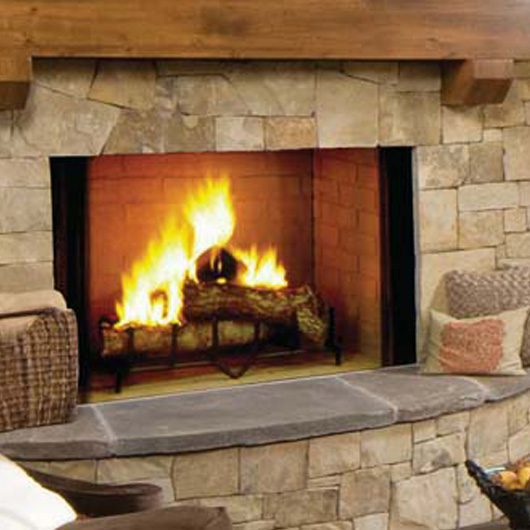
When it comes to enhancing the ambiance and value of your Florida home, professional installation services for wood-burning and gas fireplaces are the most powerful investment you can make. While Central Florida is famous for its heat, the cool winter evenings and the desire for a cozy indoor atmosphere make a fireplace a highly sought-after feature for modern homeowners.
At Always A Sweep, we understand that a fireplace is more than just a heating element; it is a complex structural centerpiece. Our installation services are designed to blend seamless aesthetics with rigorous safety standards. Whether you are building a new custom home in Lake Nona or renovating a historic bungalow in Thornton Park, the right fireplace transforms a room into a sanctuary.
Choosing between wood-burning and gas fireplaces is the most critical decision a homeowner will face. Each system has a unique set of requirements for installation services.
The Authentic Appeal of Wood-Burning Units
A wood-burning fireplace is the brilliant choice for purists. There is a primal satisfaction in the crackle of seasoned oak and the dancing orange flames that a gas unit can rarely replicate.
- Energy Independence: During hurricane season, power outages are common. A wood fireplace provides heat and light when the grid goes down.
- Aesthetic Flexibility: From traditional brick hearths to modern hanging steel units, wood fireplaces offer endless design potential.
The Modern Luxury of Gas Units
For the busy Orlando professional, gas fireplaces offer unparalleled convenience.
- Precision Control: Many modern units allow you to control flame height and heat output via a smartphone app.
- Cleanliness: No ash, no soot, and no need for wood storage, which can attract pests like termites—a major concern in Florida.
- Direct-Vent Technology: These can be installed in almost any room, including bedrooms and bathrooms, because they don’t require a traditional vertical chimney.
Why Professional Expertise is Non-Negotiable
Fireplace installation services involve high temperatures, combustible materials, and potentially lethal gases.
- Experience: Our team at Always A Sweep brings years of hands-on experience in the Orlando soil and climate conditions.
- Expertise: We are fully trained in both masonry construction and gas-line plumbing, a dual expertise that few competitors possess.
- Authoritativeness: We strictly follow the guidelines of the National Fire Protection Association (NFPA), the leading authority on fire safety codes.
- Trustworthiness: We believe in transparency. We provide detailed “DoFollow” links to third-party safety organizations like the Chimney Safety Institute of America (CSIA) so our clients can verify our methods.
The Technical Roadmap to Our Installation Process
When you hire us for installation services, you aren’t just getting a product; you are getting a precision-engineered system.
Step 1: The Site Assessment
We begin by evaluating the “footprint” of your home. For wood-burning and gas fireplaces, we must calculate the “throw” of the heat and ensure that the flooring can support the weight of a heavy hearth.
Step 2: Venting Design
This is the most technical part of our installation services. For wood-burning units, we install a flue that meets the “2-10 rule”—the chimney must be 2 feet higher than any part of the building within 10 feet. For gas units, we often use coaxial venting that brings fresh air in while pushing exhaust out.
Step 3: Gas Line Integration
If you choose a gas unit, our licensed professionals safely tap into your home’s propane or natural gas supply. We follow all protocols established by the American Gas Association (AGA) to ensure leak-free operation.
Florida Building Codes and Safety Regulations
In Orlando, installation services must comply with the Florida Building Code. These codes are updated frequently to account for high-wind events and seismic shifts.
Specifically, for wood-burning and gas fireplaces, the code dictates:
- Hearth Extensions: Must be made of non-combustible material and extend a specific distance to prevent floor fires.
- Clearance to Combustibles: The “mantel” and surrounding wood trim must be far enough from the opening to prevent ignition via radiant heat.
- Spark Arrestors: Every chimney in Florida should have a spark arrestor to prevent embers from landing on dry palm fronds or roof shingles.
Environmental Sustainability in Modern Heating
Many of our clients ask about the environmental impact of wood-burning and gas fireplaces. We are proud to offer EPA-certified products that minimize emissions.
- Secondary Combustion: Modern wood-burning units use “secondary tubes” to burn the smoke before it leaves the firebox, making them significantly cleaner than the fireplaces of the 1980s.
- Efficiency Ratings: Many of our gas installation services feature units with an AFUE (Annual Fuel Utilization Efficiency) rating of over 70%, meaning most of the fuel is converted directly into heat for your room.
For those curious about the science of clean burning, the Environmental Protection Agency (EPA) provides excellent resources on choosing the right appliance.
Cost Analysis for Investing in Your Orlando Home
While “cheap” installation services may seem tempting, they often lead to expensive repairs or safety hazards. Here is a breakdown of what to expect when investing in wood-burning and gas fireplaces:
| Fireplace Type |
Installation Range |
Maintenance Level |
| Traditional Wood |
$3,500 – $10,000+ |
High (Annual Sweep) |
| Direct-Vent Gas |
$2,500 – $7,000 |
Low (Annual Checkup) |
| Electric Insert |
$1,000 – $3,000 |
Minimal |
Investing in quality installation services from Always A Sweep increases your home’s equity. According to the National Association of Realtors (NAR), a fireplace is one of the top features that help a home sell faster in a competitive market.
Solving the Humidity Challenge in Florida Installations
Orlando’s 90% humidity poses a unique threat to wood-burning and gas fireplaces.
- Rust: Metal components in gas fireplaces can corrode if not properly treated.
- Efflorescence: Moisture can seep into masonry, leaving white, salty deposits on your beautiful new fireplace.
Our installation services include the application of professional-grade vapor barriers and moisture-resistant sealants to ensure your fireplace looks as good in ten years as it does on day one.
Maintenance for Keeping Your Investment Safe
Even after the best installation services, your journey doesn’t end.
- For Wood Fireplaces: You must use seasoned hardwood. Burning “green” wood creates creosote, a leading cause of chimney fires.
- For Gas Fireplaces: The glass assembly should be cleaned annually to prevent “white film” buildup from combustion byproducts.
We recommend all our clients visit the Hearth, Patio & Barbecue Association (HPBA) for tips on safe operation and seasonal decor ideas that won’t compromise your fireplace’s safety.
Conclusion and Next Steps
Choosing between wood-burning and gas fireplaces is a personal journey that blends style, safety, and functionality. By opting for professional installation services with Always A Sweep, you are ensuring that your home remains a safe, warm, and beautiful place for years to come.
Don’t leave your family’s safety to chance. Whether you are ready to install a brand-new unit or need a safety inspection on an existing one, our expert team is here to guide you.
by Always A Sweep Team | Jan 12, 2026 | chimney repair, inspections & sweeping
To ensure your fireplace remains a safe centerpiece for your home, finding a professional Chimney Sweep Orlando FL residents trust is essential. While many believe the warm weather in Central Florida makes chimney care a secondary concern, the reality is that the less a chimney is used, the more likely it is to harbor hidden dangers like moisture, mold, and pest infestations.
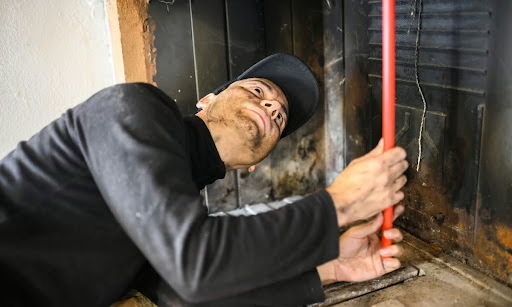
A certified Chimney Sweep Orlando FL doesn’t just “brush away soot.” They act as safety inspectors who identify structural weaknesses that could lead to devastating house fires or carbon monoxide leaks. Every time you enjoy a rare chilly evening by the fire, you should do so with the confidence that your system has been vetted by an expert.
Table of Contents
- The Critical Role of a Chimney Sweep Orlando FL
- Why Experience and Trust Matter
- The Impact of Florida’s Climate on Your Chimney
- Types of Chimneys Found in Central Florida
- The Step-by-Step Professional Cleaning Process
- Understanding NFPA Inspection Levels
- Wildlife Challenges in Orlando Chimneys
- Maintenance Checklist for Homeowners
- Why Always A Sweep is the #1 Choice
Why Experience and Trust Matter
At Always A Sweep, we embody these values by combining decades of field experience with ongoing technical education.
- Experience: Our technicians have spent thousands of hours on Orlando rooftops, from historic homes in Winter Park to modern builds in Lake Nona.
- Expertise: We stay current with the latest venting technologies and masonry repair techniques.
- Authoritativeness: We align our practices with the National Fire Protection Association (NFPA) standards.
- Trustworthiness: We provide clear, photographic evidence of our findings, ensuring you never pay for repairs you don’t need.
The Impact of Florida’s Climate on Your Chimney
An Orlando FL chimney sweep faces different challenges than one in the Northeast. Here, the primary enemy is moisture.
1. High Humidity and Creosote
Creosote is a flammable byproduct of wood-burning. In Florida’s high humidity, creosote can absorb moisture, turning it into a “gooey” substance that is even harder to remove and highly corrosive to your chimney liner.
2. Tropical Storms and Wind
Hurricanes and tropical storms can rattle chimney caps and loosen the flashing—the seal between your chimney and roof. A professional Chimney Sweep Orlando FL will check these seals to prevent leaks that lead to attic rot and mold.
Types of Chimneys Found in Central Florida
Not all chimneys are created equal. When you book a Chimney Sweep Orlando FL, the technician must understand the specific needs of your unit.
- Masonry Chimneys: Built with brick and mortar. These are prone to “spalling” (bricks crumbling) due to Florida’s rain.
- Factory-Built (Pre-Fab) Chimneys: These use metal flues. They are common in newer Orlando developments and require specific brushes to avoid scratching the metal.
- Gas Fireplace Vents: Even if you don’t burn wood, gas vents can become blocked by bird nests or debris, leading to carbon monoxide risks.
The Step-by-Step Professional Cleaning Process
When you hire a Chimney Sweep Orlando FL, you should expect a systematic approach to cleanliness and safety:
- Preparation: We use drop cloths and high-powered HEPA vacuums to ensure no dust enters your home.
- Mechanical Sweeping: Using specialized rods and brushes, we clear the entire length of the flue.
- Smoke Chamber Cleaning: The area just above the damper often collects the most soot and requires detailed hand-cleaning.
- Final Inspection: We check the damper operation, the firebox bricks, and the exterior cap.
Understanding NFPA Inspection Levels
The NFPA 211 standard is the “bible” for every Chimney Sweep Orlando FL. There are three levels:
- Level 1: Annual checkup for a system that hasn’t changed.
- Level 2: Mandatory during a home sale, after a chimney fire, or following a major storm. Includes a video camera scan.
- Level 3: Required when a hidden hazard is suspected; involves opening access panels or walls.
Wildlife Challenges in Orlando Chimneys
Orlando’s local fauna loves chimneys! From Chimney Swifts (which are federally protected and cannot be removed while nesting) to raccoons and squirrels, animals can completely block your flue. A professional Chimney Sweep Orlando FL will install a heavy-duty chimney cap with mesh small enough to keep out the smallest pests.
Maintenance Checklist for Homeowners
To keep your chimney in top shape between professional visits from a Chimney Sweep Orlando FL, follow this checklist:
- Visual Check: Once a month, look for cracked bricks or white staining (efflorescence) on the exterior.
- Damper Test: Ensure the damper opens and closes smoothly.
- Burn Seasoned Wood: Only use wood with less than 20% moisture content to reduce creosote.
- External Links: For more on wood safety, check the CSIA Burn Smart Guide.
Why Always A Sweep is the #1 Choice
At Always A Sweep, we pride ourselves on being the most powerful advocate for homeowner safety in Florida. We treat every home as if it were our own, providing quality service that builds long-term trust.
Whether you need a routine Chimney Sweep Orlando FL or complex masonry Repair Services, our team is ready to help. We are local, certified, and committed to excellence.
Take the Next Step for Your Safety
Don’t wait until the next cold front hits. Secure your home’s safety by booking a certified Chimney Sweep Orlando FL today.
by Always A Sweep Team | Jan 7, 2026 | Gas leakage, inspections & sweeping, installation
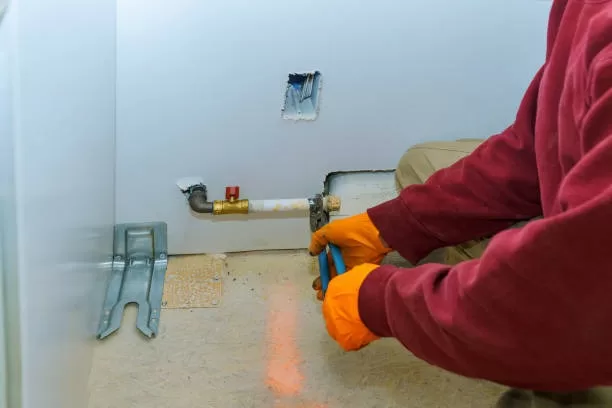
Understanding the gas line installation cost Ocala FL is the first step toward transforming your home with convenient, efficient natural gas. Whether you are adding a modern gas log set, a powerful standby generator, or connecting a new stove, the installation of a natural gas line installation fireplace or other appliance requires precision, mandatory permits, and professional expertise. This comprehensive guide from Always A Sweep—your local, licensed gas and hearth professionals—will provide a transparent breakdown of expected costs and, most importantly, detail the rigorous safety and compliance steps required in Central Florida to ensure a proven and safe installation.
Choosing natural gas over electric or propane offers significant advantages, including cost-effectiveness, reliability, and superior performance for cooking and heating. However, due to the inherent safety risks involved, gas line work is not a DIY project. It is a highly specialized service that requires specific licensure, pressure testing, and final certification from local authorities in Marion County and Ocala. We are here to guide you through every step, ensuring your project meets the highest standards.
Why Choose Natural Gas for Your Ocala Home?
Natural gas provides reliable, clean, and instant energy, making it a preferred choice for many homeowners seeking an upgrade. In Central Florida, where storm-related power outages are a reality, the reliability of a natural gas standby generator or a functioning gas fireplace can be crucial.
Connecting to a municipal gas line or setting up a dedicated propane system allows homeowners to benefit from:
- Instant Heat: Gas fireplaces, stoves, and water heaters provide immediate and highly controllable heat.
- Cost Efficiency: Natural gas is often significantly cheaper per BTU than electricity or propane, leading to lower utility bills over time.
- Reliability: Gas appliances continue to function during power outages (especially generators and certain fireplace models), providing essential heat and light.
The total gas line installation cost Ocala FL can vary widely based on the complexity and scope of the work, but typically ranges from $600 to $2,200 for a standard residential project, such as extending a line to a new appliance. The final price is determined by the length of the run, the materials used, and the difficulty of the routing.
For a highly accurate estimate based on your home’s unique layout, Always A Sweep provides no-obligation quotes after a site assessment. Contact our team for Gas Service installation details
Cost Breakdown to New Line vs. Extension
| Project Scope |
Typical Central FL Cost Range (Installed) |
Cost Drivers |
| Line Extension (connecting nearby) |
$11 – $22 per linear foot |
Minimal pipe length, easy access (e.g., in an open attic or crawlspace). |
| New Line Installation (long run/complex) |
$17 – $33 per linear foot |
Requires longer runs, specialized materials (Black Iron), or major excavation/trenching. |
| Fireplace Connection |
$500 – $2,000 Total |
Cost to run the line to the firebox, including the necessary shut-off valve, connection fittings, and labor. |
Factors Influencing the Final Price
- Distance and Pipe Sizing: The length of the run from the main meter/source to the new appliance is the largest cost factor. Furthermore, high-BTU appliances (like a pool heater or generator) require larger diameter pipes to ensure adequate gas flow, increasing material and labor costs.
- Access & Complexity: Routing a line through open spaces is significantly easier and cheaper than running it behind finished walls, under a concrete slab, or requiring extensive trenching in the yard.
- Pipe Material: Licensed professionals use materials like Black Iron Pipe (common for interior lines), or Corrugated Stainless Steel Tubing (CSST), depending on the application. Each material has different costs and installation requirements.
- Permit Fees: Local permits for gas line work are mandatory in Marion County and typically add $100 to $300 to the total project cost, covering application and final inspection fees.
For Central Florida homeowners, the most popular gas line project involves converting a wood-burning fireplace or adding a new gas appliance to the hearth. When considering a natural gas line installation fireplace conversion, the chimney specialist must ensure the system is not only safely piped but that the venting and combustion air requirements for the specific gas appliance are met—a service requiring dual expertise.
Gas Logs vs. Inserts: Cost and Requirements
- Vented Gas Log Sets: These are primarily decorative, simulating a wood fire while requiring the damper to be open for proper venting. The cost for the gas line and appliance hookup typically ranges from $400 – $3,800 total (excluding the line itself). Crucially, vented logs must have an open, functional chimney flue.
- Direct-Vent Gas Inserts: These are high-efficiency, sealed systems that draw combustion air from the outside and vent exhaust directly through a dedicated pipe, making them highly efficient heaters. Total installation (insert unit, dedicated venting, gas line, and labor) is significantly higher, often averaging $7,200 – $8,800 or more, but provides reliable, safe heat.
- Vent-Free Gas Appliances: While these are allowed in some Florida regions, Always A Sweep strongly recommends fully vented or direct-vent appliances. Vented systems provide maximum safety by exhausting all combustion byproducts, giving your family greater peace of mind against carbon monoxide exposure.
Safety and Compliance: The Essential Principles
Gas line work is a critical, highly regulated field where cutting corners can be catastrophic. Choosing a qualified contractor who adheres to the Experience, Expertise, Authoritativeness, Trustworthiness principles is paramount, as proper installation is a matter of life safety. In Florida, this means adhering strictly to the Florida Building Code and safety standards, often governed by the National Fire Protection Association (NFPA) standards, to prevent leaks and carbon monoxide hazards.
For detailed state and national safety standards, including compliance requirements for fuel gas systems, refer to the NFPA’s safety codes for gas systems.
The Importance of Proper Permits and Inspections
- Permits are Not Optional: Any modification or installation of a home gas line requires a permit from the local building department in Ocala/Marion County. Licensed contractors manage this process on your behalf.
- Mandatory Pressure Testing: The most vital safety step is the rigorous pressure test. Licensed professionals must perform a pressure test on the newly installed line (typically 60 psi for 15 minutes) to detect even the slightest leak before the system is officially connected to the appliance and activated.
- Final Inspection: The final sign-off is done by a municipal inspector. This is the last and most critical step, ensuring the work is compliant with all local safety codes—a stamp of approval that guarantees your natural gas line installation fireplace is safe, legal, and insurable.
Gas Line Installation: From Consultation to Certification
As CSIA-certified chimney professionals who also hold a Certified Category V Gas License (LI45277), Always A Sweep offers the rare combination of hearth expertise and gas piping proficiency—critical for safe fireplace conversion and maximizing efficiency. Our proven process ensures total safety and code compliance:
- Site Assessment & Sizing: We measure the distance and precisely calculate the BTU demand of the new appliance. This step is non-negotiable, as using an undersized pipe for a high-demand appliance will result in poor performance and potentially dangerous pressure drops.
- Permit Acquisition: We handle all necessary permits with Ocala/Marion County authorities, saving you time and ensuring the project starts off in full compliance.
- Secure Installation: Utilizing Black Iron, CSST, or other code-compliant materials, the natural gas line installation fireplace is routed securely and efficiently, protecting the piping from damage.
- Pressure Testing & Sealing: Every weld, fitting, and connection is rigorously pressure-tested and certified to be leak-free before any walls are closed up or appliances are connected.
- Final Hookup & Certification: After the final municipal inspection is passed, the line is connected to the appliance (such as our premium Vented Gas Log Sets) and tested for final operation, providing you with certification documents.
Why Trust Always A Sweep with Your Gas Line Project
When dealing with a significant safety upgrade like a gas line, the experience of your installer directly relates to the safety of your family. Always A Sweep brings decades of combined expertise to every project, satisfying the highest standards.
- Experience & Expertise: Our history of service in Central Florida, dating back through a family legacy since 1982, gives us unparalleled experience in local home structures and gas system designs. Furthermore, holding the Certified Category V Gas License (LI45277) confirms our expertise in safe gas piping and appliance hookups.
- Authoritativeness: We are one of the few contractors in the Ocala area that combines CSIA chimney certification with gas licensure. This dual authority is crucial for fireplace work, where a plumber might miss a chimney venting hazard, and a chimney sweep might not be legally licensed for the gas pipe.
- Trustworthiness: We provide clear, guaranteed gas line installation cost Ocala FL estimates that include all permits and materials. Our commitment to pressure testing and local code inspection ensures every installation is transparently and legally certified for your home.
Frequently Asked Questions
Who should I hire to install a gas line in Ocala?
– You must hire a licensed and insured contractor who specifically holds a Gas Line Installation license (often a Mechanical or Plumbing license with a gas endorsement). Always A Sweep holds the necessary gas licensure and specialized chimney expertise for fireplace applications, offering unmatched safety and expertise.
– The cost typically ranges from $12 to $23 per linear foot installed for running a line to a fireplace, depending on the material and accessibility (e.g., running through a clear attic vs. drilling through brick).
Will a new gas line increase my home insurance premium?
– Generally, no. Adding a utility like a gas line is considered a safety and value-adding upgrade. Furthermore, having a gas line installed and certified by a licensed professional with the correct permits can prevent potential insurance issues down the road should a related incident occur.
How long does a natural gas line installation fireplace project take?
– Once permits are secured, the physical piping installation for a standard fireplace hookup can often be completed within one day. The entire process, including permitting, final inspection, and appliance setup, usually takes 5-10 business days.
Conclusion
Installing a new gas line for your fireplace or appliance is a significant, high-value upgrade that enhances your home’s comfort, efficiency, and safety. While researching the gas line installation cost Ocala FL is an important first step, prioritizing the experience, licensure, and safety record of your contractor is the most critical decision you will make. Trust Always A Sweep’s dual expertise in chimney and gas services to ensure your natural gas line installation fireplace project is completed safely, to code, and with guaranteed, proven compliance.

by Always A Sweep Team | Dec 19, 2025 | Always Home Repair Services, chimney repair
A thorough hurricane chimney damage inspection in Florida is the essential first step after a major storm. High winds, torrential rain, and falling debris frequently target chimneys, often leaving them as the most severely damaged structure on the roofline. If you suspect you need an emergency storm-damaged chimney repair, this comprehensive guide from Always A Sweep provides Central Florida homeowners with a clear, safe process for assessing damage, securing your structure, and navigating the often-complex insurance claims process for quick approval and repair.
In the chaotic aftermath of a hurricane, homeowners often overlook the chimney, focusing instead on roof shingles and tree removal. However, a storm-damaged chimney is a silent threat—it can lead to water intrusion, structural collapse, and even carbon monoxide hazards inside your home. Taking proactive, immediate steps to inspect and repair is crucial for safety and successful insurance reimbursement.
The Urgency of Post-Storm Chimney Inspection
Hurricane-related chimney damage is far more than just cosmetic. It can compromise the structural integrity of your home, and because the chimney is designed to vent combustion gases, any internal damage can introduce immediate health and safety hazards.
This is why a swift hurricane chimney damage inspection Florida is critical:
- Preventing Collapse: A cracked or shifted chimney stack presents a serious danger of catastrophic collapse onto the roof or yard.
- Stopping Water Leaks: Damaged flashing or a missing cap/chase cover creates an open funnel for rain, leading to costly water damage in the attic, walls, and ceiling.
- Eliminating Fire & CO Hazards: A dislodged or fractured flue liner, caused by high winds or structural shifting, can allow deadly carbon monoxide fumes or intense heat/sparks to leak directly into the walls of your home.
If you suspect immediate danger, do not use your fireplace or appliance, and contact us immediately for fast, reliable service. View our full service area on our Emergency Repair page.
5 Telltale Signs of Severe Chimney Storm Damage
Before you even step foot on a ladder (which should be left to the professionals!), you can identify serious damage from the ground. Look for these crucial indicators that necessitate an emergency storm-damaged chimney repair:
- Visible Leaning or Tilting: If the entire chimney structure appears to be shifted, separated, or offset from the roofline, this indicates serious structural damage that requires immediate stabilization.
- Pile of Masonry Debris: Finding scattered bricks, large chunks of mortar, or metal components (like a chimney cap or chase cover) on the ground, lawn, or roof near the chimney base.
- Flashing Damage: Visibly torn, ripped, lifted, or heavily creased metal flashing where the chimney meets the roof deck. This is a common failure point that creates an open pathway for rain.
- Cracks in the Interior: Horizontal or vertical cracks in the chimney breast, the adjacent ceiling, or the drywall inside your home near the chimney structure. This suggests the chimney moved structurally.
- Rusting or Missing Components: A missing or severely bent chimney cap, or a chase cover that is ripped and detached. This is a common finding during a hurricane chimney damage inspection Florida and signals immediate water vulnerability.
The Professional Hurricane Chimney Damage Inspection Florida Process
A thorough post-storm inspection goes far beyond a casual look. A certified professional must conduct a detailed, multi-level assessment, which is essential for ensuring homeowner safety and securing a successful outcome with the insurance company.
Level 1: Visual Assessment
The initial assessment documents all easily viewable exterior damage for insurance purposes.
- Exterior Structure: Inspection of the chimney’s entire visible masonry (or siding, for chase structures) for cracks, bowing, spalling (flaking bricks), or missing mortar.
- Chimney Top Components: Detailed review of the chimney crown (for cracks), the cap/chase cover (for rust, missing parts, or dents), and the flue pipe terminations.
- Flashing Integrity: Closely checking the integrity of the connection point to the roof for gaps, tears, or signs of improper prior repair that failed under storm stress.
Level 2: Comprehensive Structural Inspection
This detailed inspection requires specialized tools and is critical for detecting hidden dangers.
- Internal Flue Lining: A CSIA-certified technician uses high-definition internal cameras to inspect the entire flue lining system for cracks, blockages, or shifting components. Even minor damage here can compromise venting safety.
- Smoke Chamber & Damper: Checking the smoke chamber and the damper assembly for rust, water damage, or warping from heavy moisture intrusion.
Hidden Damage: Why an Expert is Crucial
Storm forces often cause damage where you can’t see it—such as in the connections between the masonry and the wood chase structure, or in the hidden parts of the flue liner. These are the details that separate simple cosmetic repairs from necessary emergency storm-damaged chimney repair. Only a specialized hurricane chimney damage inspection Florida can uncover these latent issues, which ensures your insurance claim is comprehensive.
Securing Emergency Storm-Damaged Chimney Repair
When the professional inspection confirms an immediate safety risk or severe leak, securing emergency storm-damaged chimney repair is your priority. Acting quickly helps prevent secondary damage (e.g., severe mold, ceiling collapse) that your insurer may refuse to cover if they deem you failed to mitigate the initial damage in a timely manner.
Stabilization and Safety Protocols
- Containment: The professional team will immediately tarp, board over, or temporarily seal damaged areas to prevent immediate water intrusion into the attic, walls, or ceiling.
- Securing Loose Masonry: Any loose or structurally unsound bricks and masonry sections must be safely removed or stabilized to eliminate the risk of sudden collapse.
Crucial Questions to Ask Your Chimney Contractor
When choosing a repair service for emergency storm-damaged chimney repair, vetting their credentials is non-negotiable.
- Is your company CSIA Certified? (Crucial for expertise and trust).
- Do you specialize in hurricane chimney damage inspection Florida and masonry restoration, or are you a general contractor?
- Do you have experience working with major Florida insurance adjusters?
- Can you provide a detailed, written estimate supported by photographic evidence of the damage?
To learn more about our commitment to quality and our certifications, please visit our About Us page.
Navigating Your Insurance Claim: Step-by-Step Guidance
Filing a claim after a severe storm is stressful, but a professional, documented approach simplifies the process. Your professional hurricane chimney damage inspection Florida report is the most valuable asset you can present to your insurer.
Documentation: Photos and Videos
- Before & After: Take clear, high-resolution photos and videos of all visible damage from multiple angles before any repair or cleanup begins.
- The Inspection Report: Use the detailed, written report and internal camera footage provided by your CSIA-certified technician. This objective, third-party report proves the damage resulted from the sudden storm event.
Working with Your Adjuster
- Use the Expert Estimate: Present the professional, itemized repair estimate from your chosen contractor (Always A Sweep). This estimate should detail materials, labor, and the specific cause of damage.
- Understand Coverage: Be prepared to discuss the difference between normal wear-and-tear (not covered) and storm damage (covered). For instance, if high wind sheared off a cap, that is covered; if the cap was simply rusted out over 20 years, it is not. A good inspector helps differentiate these.
For comprehensive resources on filing claims after a major storm and protecting your property, refer to trusted government sources like FEMA.
Why Choose a Certified Local Storm Damage Expert
When dealing with high-value, high-risk repairs, you need a contractor who meets an Experience, Expertise, Authoritativeness, and Trustworthiness that understands the Central Florida environment. Always A Sweep is the authority in emergency storm-damaged chimney repair.
- Expertise & Experience: We understand the specific regional building codes and the precise types of materials and flashing required to withstand future Florida storm forces. We are chimney specialists, not just general masons or roofers. Our long-standing local experience provides expertise in damage recognition and repair methods that last.
- Authoritativeness: Our CSIA certifications mean we are qualified to provide comprehensive, Level 2 inspections that meet the standards that insurance adjusters rely on for claim approval.
- Trustworthiness: We provide clear, honest, and competitive estimates and act as your advocate during the claim process. We use durable materials and proven techniques that guarantee the longevity of your repair, minimizing the likelihood of future storm-related failures.
Frequently Asked Questions
Is my hurricane chimney damage inspection Florida covered by insurance? The inspection itself is typically an out-of-pocket expense, but the resulting repair for sudden, accidental damage (like high winds or falling limbs) is almost always covered under your homeowner’s policy, after your deductible. Always review your policy and talk to your adjuster.
How quickly do I need to get emergency storm-damaged chimney repair? Immediately. All insurance policies require homeowners to take “reasonable steps” to mitigate further damage. Delaying a necessary emergency storm-damaged chimney repair could result in your insurer denying claims for subsequent (and often more expensive) water damage or mold.
What is the most common hurricane damage you see in Central Florida? In the Central Florida area, the most common issues requiring emergency storm-damaged chimney repair are torn or missing flashing, shifting of the chimney crown or structure due to wind shear, and complete loss of the chimney cap or chase cover.
Conclusion
After a hurricane, the priority shifts from preparedness to swift recovery. A timely, professional hurricane chimney damage inspection Florida by a trusted expert like Always A Sweep is the most responsible action you can take to protect your family and your substantial investment. We streamline the process from thorough inspection to emergency storm-damaged chimney repair and assist with the claim process, ensuring a smooth, quick recovery.

by Always A Sweep Team | Dec 12, 2025 | chimney repair
Chimney Cap Replacement Cost Florida, along with the price of a new chimney chase cover, is a crucial investment for every Central Florida homeowner. Florida’s volatile weather—from torrential afternoon thunderstorms to hurricane season—makes the top of your chimney a prime target for water damage. This comprehensive guide from Always A Sweep will break down the essential difference between these two vital chimney components, reveal the expected costs, and show you exactly how this proactive replacement can prevent thousands of dollars in hidden home repairs.
The top of your chimney is the single most vulnerable area of your roofline, constantly exposed to sun, wind, and rain. A failure here can lead to leaks that compromise your home’s structure, costing far more than the initial component replacement. Understanding what you have—a cap or a chase cover—is the first step toward smart, long-term home maintenance.
What is the Difference: Chimney Cap vs. Chimney Chase Cover?
While both components sit atop your chimney and share the goal of protecting your home from the elements, they are not interchangeable. They are designed to protect fundamentally different chimney structures. Ensuring the right component is installed correctly is paramount for effective water protection.
For comprehensive chimney protection services, visit our dedicated Chimney Repair & Services page.
The Job of a Chimney Cap
A chimney cap is a protective cover that typically sits atop a masonry chimney or is secured directly over the flue opening(s). It is a smaller, more specific component designed to manage three primary threats: water, animals, and sparks.
Key Functions:
- Blocking Rain/Snow: The cap’s lid prevents rain from pouring directly down the flue, which leads to rust in the firebox.
- Spark Arrestor: The mesh sides act as a screen, keeping embers inside the chimney and preventing house fires.
- Pest Exclusion: The mesh also serves to block small animals, birds, and insects from nesting in the warm, protected flue.
- Draft Improvement: Some designs can aid in maximizing the chimney’s natural draft for better efficiency.

The Job of a Chimney Chase Cover
A chimney chase cover, also sometimes called a top pan, is used exclusively on pre-fabricated (or factory-built) chimneys. Unlike masonry chimneys, these are often wood-framed structures (called the chase box). The chase cover is a large metal sheet that covers the entire square top of this structure.
Key Functions:
- Primary Water Barrier: The chase cover is the first and most critical defense against water intrusion into the vulnerable wooden chase structure.
- Structural Protection: It protects the entire wood frame and insulation inside the chimney structure from rain and moisture.
- Proper Drainage: A high-quality cover must be properly sloped (with cross-breaks) and feature a drip edge—a small lip that directs water away from the siding below.
Critical Detail: In the humid Florida climate, the original galvanized steel chase covers that often come with these systems rust out quickly. When this happens, rainwater enters the chase and can cause significant structural wood rot and water damage to the surrounding ceiling and walls.
Why Central Florida Weather Makes This Replacement Urgent
The unique meteorological profile of Central Florida accelerates the deterioration of standard chimney components, making the subject of chimney cap replacement cost Florida highly relevant to local homeowners.
- Humidity & Corrosion: The year-round high humidity and presence of salt in the air (even far inland) accelerate the oxidation of galvanized metals. This significantly shortens the lifespan of an average cap or chase cover compared to drier climates.
- Heavy Rain: When rain falls, it doesn’t just drizzle—it pours. Torrential downpours, especially those accompanied by strong winds, can force water through the smallest hole or rust-eaten seam of a deteriorated chimney chase cover or cap, quickly causing severe leakage.
- Pest Pressure: With warm weather year-round, pests like raccoons, squirrels, and birds are always looking for nesting spots. An open or damaged flue is the perfect, protected high-rise location for them to raise their young.
Don’t wait for water to start dripping into your living room to address a failing chimney top. Look for these subtle, yet serious, warning signs that you need to factor in a chimney cap replacement cost Florida soon:
- Rust Streaks: Visible rust-colored streaks running down the exterior siding or masonry of your chimney structure.
- Visible Rust or Holes: You can visually see holes, significant corrosion, warping, or cracking in the metal component.
- Water in the Firebox: Rust or evidence of water pooling on your fireplace damper or the floor of your firebox.
- Poor Drainage: Water pooling on top of a flat chase cover after rain, indicating a poor-quality design or sagging.
- Animal Noises: Hearing scratching or flapping noises coming from your chimney or firebox.
Your Guide to Chimney Cap Replacement Cost Florida
The average chimney cap replacement cost Florida for a standard single-flue stainless steel cap professionally installed typically ranges from $250 to $750. This figure can vary based on the specific material chosen and the complexity of the installation.
Cost Breakdown by Material
Choosing the right material is the key to minimizing future expenses. We strongly recommend stainless steel in the humid Central Florida climate.
| Material |
Longevity/Durability |
Typical Cost Range (Installed) |
Notes |
| Galvanized Steel |
5-10 Years |
$150 – $350 |
Lowest initial cost, but prone to rusting rapidly in Florida’s environment. |
| Stainless Steel |
25+ Years |
$250 – $750 |
Best value for Florida; rust-resistant, durable, and often comes with a warranty. |
| Copper |
Lifetime |
$600 – $1,500+ |
Premium aesthetics, ultimate longevity, and corrosion resistance. |
Factors Influencing Final Chimney Cap Replacement Cost Florida
- Chimney Size and Flue Count: A multi-flue cap or a custom-sized component for a larger masonry crown will naturally increase the material and labor costs.
- Roof Pitch/Access: Steep roofs or areas with difficult access require more specialized safety equipment and time, slightly increasing labor costs.
- Necessary Repairs: If the existing flue tile or chimney crown beneath the cap needs minor repair or sealing first, this will be added to the service price.
The Truth About Chimney Chase Cover Replacement Costs
A full chimney chase cover replacement is a significantly more extensive job than replacing a chimney cap because it involves custom fabrication and replacement of a much larger component. This is often necessary when water damage is evident on a factory-built chimney structure. This is often a larger investment than the typical chimney cap replacement cost Florida.
- Galvanized Steel Chase Cover Replacement: Typically $400 – $700 installed. While cheaper, this is strongly discouraged due to rapid failure in Central Florida’s wet environment.
- Stainless Steel Chase Cover Replacement: This is the industry-standard and most durable option, typically ranging from $800 – $1,800 installed, depending on the size, required metal gauge, and complexity of the chimney chase.
- Why the Cost is Higher: The cover must be precisely measured and custom-fabricated to the exact dimensions of your chase box. The materials are thicker (we use high-grade 24-gauge stainless steel) and require professional, watertight sealing and flashing at the base.
Replacing your chimney top with a durable stainless steel material is one of the most effective ways to stop leaks and protect your home’s structure. For more information on the importance of chimney maintenance in preventing structural issues, read this article on Home Maintenance and Structural Integrity.
Why Choose an Expert for Chimney Protection
Our experience, expertise, authoritativeness, and trustworthiness is an essential for high-quality home service providers. When you are looking to spend money on chimney cap replacement cost Florida, you must ensure the contractor meets these high standards.
Choosing a CSIA Certified Chimney Professional like Always A Sweep ensures your chimney repair meets the highest industry standards.
- Experience & Expertise: We have been serving the Central Florida area for [Always A Sweep was founded in 1982/2017—Insert Actual Founding Year] with a specialized focus on the severe water and storm damage challenges unique to the region. Our team is trained to diagnose chimney water issues that are often misidentified by general roofers.
- Authoritativeness: Our technicians are all CSIA (Chimney Safety Institute of America) certified. This means they possess the highest level of specialized knowledge to ensure your chimney top components are correctly installed and meet stringent safety codes, preventing future chimney failures. We only use high-grade, rust-resistant materials.
- Trustworthiness: We stand behind our work with comprehensive warranties on the stainless steel chase covers and caps we install. Our goal is to provide a permanent solution to your water problem, giving you peace of mind that your investment in a new chimney chase cover is secure.
While the chimney cap replacement cost Florida or a new chase cover is an upfront expense, it is an essential form of insurance that pays dividends immediately. You are not just buying a component; you are buying the ability to prevent devastating structural and interior damage.
The cost of a chimney top repair is negligible when compared to the costs of water damage remediation:
- Costly Consequences of Neglect: Unmanaged water intrusion can lead to rusting of the expensive fireplace damper, deterioration of the interior flue liner, cracking of the chimney crown, and structural wood rot inside the chimney chase. These types of advanced repairs often cost $2,000 to over $10,000 to professionally correct.
- Health Hazards: A damp chimney area is an ideal breeding ground for mold and mildew, which can spread into your home’s walls and ceiling, requiring extensive (and expensive) professional remediation to protect your indoor air quality.
Don’t wait for your chimney top to fail completely. Be proactive with your maintenance.
Frequently Asked Questions
Can I install my own chimney cap to save on the chimney cap replacement cost Florida?
While the material itself may be affordable, professional installation is strongly recommended. Working on a steep roof is a major safety hazard. Furthermore, an improperly sized or installed cap can lead to leaks, restrict the flue, or void warranties. Rely on a certified professional for a guaranteed fit and safe installation.
How long does a stainless steel chimney chase cover last?
A high-quality, 24-gauge stainless steel chimney chase cover installed by Always A Sweep is designed to be highly resistant to corrosion and often comes with a lifetime transferable warranty, lasting for the entire life of your home.
What is the very first sign of a water leak from my chimney?
The most common first sign is a water stain appearing on the ceiling or wall immediately surrounding your fireplace or nearby along the roofline. Another telltale sign is rust streaks running down the masonry or siding. If you see any of these, schedule a chimney water intrusion assessment immediately.
Conclusion
Protecting your Central Florida home from water damage starts at the very top. Understanding the crucial difference between a chimney cap and a chimney chase cover, and knowing the reasonable chimney cap replacement cost Florida, empowers you to make a smart, proactive maintenance choice. The minimal cost of replacement today saves you from the massive, multi-thousand-dollar expense of structural water damage and mold remediation tomorrow. Don’t wait for the next big storm to reveal a costly leak; secure your chimney top now!