Smell Gas in Home Central Florida? The Ultimate Guide to Life-Saving Safety
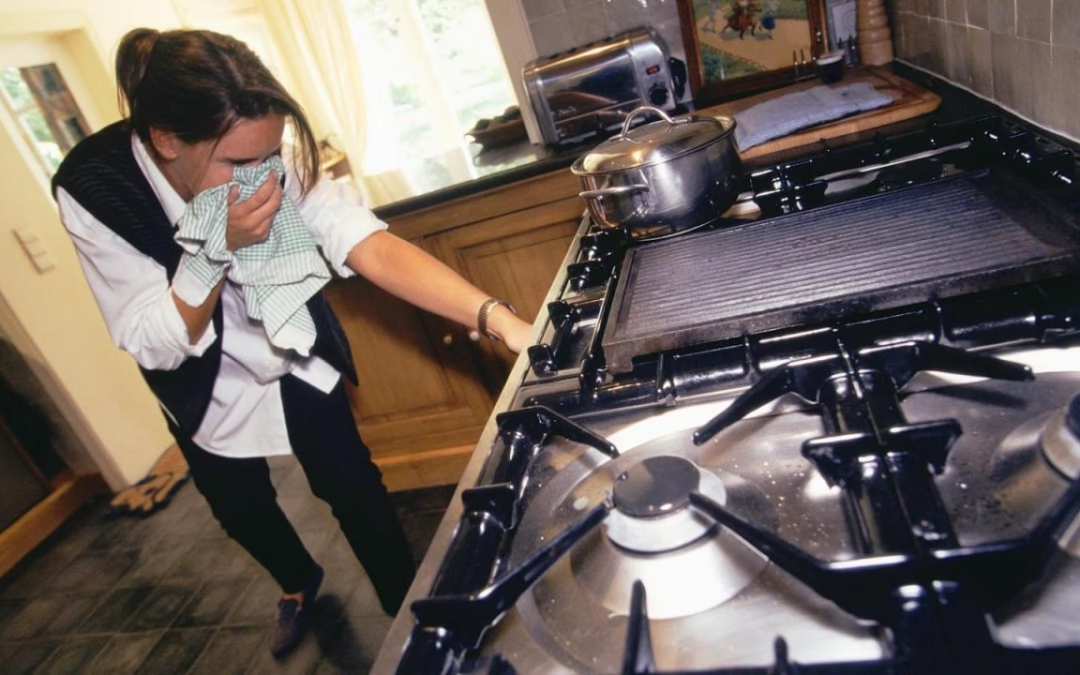
Finding yourself in a situation where you smell gas in your home in Central Florida is one of the most unsettling experiences a homeowner can face. In the Sunshine State, where the heat and humidity are constant, a gas leak isn’t just an inconvenience; it is a life-threatening emergency that demands immediate, decisive action. Whether you are in Orlando, Winter Park, or The Villages, understanding the risks and the proper protocols can be the difference between a minor repair and a catastrophic explosion.
At Always A Sweep, we are dedicated to your family’s safety and peace of mind. This comprehensive guide provides everything you need to know about detecting natural gas or propane, the immediate steps to take for your safety, and why professional intervention is the only safe way to handle a suspected leak.
The Science of the Scent: Why Natural Gas Smells Like “Rotten Eggs”
In its natural state, both natural gas (delivered via underground pipes) and liquid propane (stored in tanks) are colorless and odorless. To ensure that homeowners can detect a leak before it reaches a dangerous concentration, gas utilities intentionally add a chemical called mercaptan. This chemical creates the unmistakable, pungent scent of “rotten eggs” or sulfur.
Why the Smell is Your Best Friend
Recognizing this scent quickly is your first line of defense. If you detect this odor, it is a deliberate alert that gas is escaping from the system and potentially accumulating in your home. In the high-humidity environment of Central Florida, smells can sometimes linger or become trapped in pockets of stagnant air, making it vital to investigate even the slightest whiff of sulfur.
Pro Tip: If you have lost your sense of smell due to illness, ensure your home is equipped with UL-listed combustible gas detectors on every level of the house.
Immediate Danger: 7 Essential Steps for Safety
If you smell gas in your home in Central Florida, the heat isn’t the only thing to worry about; gas leaks can lead to asphyxiation or devastating explosions triggered by the smallest spark. When this energy is released uncontrollably in a confined space, the results are lethal. Your priority is immediate evacuation. Follow these seven critical steps:
- Don’t Ignore the Smell: Even a faint scent should be treated with urgency, especially in enclosed spaces where gas can build up rapidly.
- The “Do Not” List for Electronics: DO NOT turn on or off any lights, appliances, or electronics. A tiny electrical spark from a switch or even your cell phone could ignite the gas.
- Avoid Open Flames: Do not light matches, use a stove, smoke, or light candles.
- Ventilate (If Possible): If it is safe to do so on your way out, leave the door open or open windows to allow for some ventilation, but do not linger inside to do so.
- Evacuate Everyone: Immediately grab your family and pets and exit the home. Do not wait to see if the smell dissipates.
- Move to a Safe Distance: Once you are at least 100 feet away from the property, use your cell phone to call for help.
- Call the Experts: Contact 911 or your local gas utility provider immediately.
Common Culprits: Why You Might Smell Gas in Your Home
Understanding where leaks commonly occur can help you identify risks during your annual safety inspections. In Central Florida, several appliances and environmental factors are often to blame:
1. Gas Fireplaces and Log Sets
At Always A Sweep, we frequently find that gas issues originate near the hearth. If you have a gas log set or insert, the pilot light or the thermocouple may malfunction. If the smell occurs primarily when you are near the fireplace, you likely have a seating issue with the gas valve or a hairline crack in the supply line.
2. Outdoor Pool Heaters
In our region, salt-air corrosion is a major factor, particularly for homes closer to the coast or those with salt-chlorination systems. Outdoor pool heaters are often a source of leaks because the humid, salty air accelerates the degradation of gas fittings and metal components.
3. Pest Activity and Environmental Shifts
Small animals or rodents, common in Florida’s lush landscapes, may chew on gas line insulation or connections. Furthermore, Central Florida’s heavy rain and seasonal humidity can cause shifts in ground soil, potentially damaging buried lines or corroding seals.
The Role of Dryer Vents in Gas Safety
Many homeowners are surprised to learn that their dryer is a common culprit for gas-related scares. If you have a gas-powered clothes dryer, it is connected to a “flex line.”
If your dryer vent is clogged with lint, the machine can overheat. This excess heat, combined with the mechanical vibrations of the drum, can cause the gas line to rub against the wall or the dryer chassis. Over time, this friction can wear a hole in the pipe. This makes professional Dryer Vent Cleaning a critical component of gas safety.
| Feature | Risk Factor | Safety Solution |
| Gas Line | Friction & Vibration | Flexible connectors & regular checks |
| Vent Pipe | Lint Build-up & Heat | Annual professional cleaning |
| Exhaust | Carbon Monoxide | Proper exterior termination |
Why You Should NEVER Attempt a DIY Gas Repair
In the age of online tutorials, it is tempting to think a “small” hiss can be fixed with a wrench and some pipe dope. We strongly discourage DIY gas repairs. According to the NFPA (National Fire Protection Association), gas-related incidents cause hundreds of millions in property damage annually. The risks are simply too high:
- Explosion Hazard: Natural gas has a narrow “flammable range” (5% to 15%). If the gas-to-air ratio falls within this window, a single static spark from your clothing could level a house.
- Carbon Monoxide (CO) Poisoning: An improperly sealed gas line or poorly vented appliance can lead to incomplete combustion, producing Carbon Monoxide—the “silent killer”. Professionals use calibrated detectors that homeowners do not possess to identify this odorless, deadly gas.
- Insurance and Liability: Most Florida homeowners’ insurance policies will deny claims for fire damage if the gas work was not performed by a licensed, bonded professional.
- Code Violations: Florida building codes are stringent regarding gas line pressure testing. DIY fixes almost never meet these safety benchmarks.
The Professional Advantage: How Experts Trace Leaks
When you call a professional from Always A Sweep, they bring specialized tools and expertise that far exceed the capabilities of the human nose.
Electronic “Sniffers”
These combustible gas detectors can identify gas concentrations as low as 50 parts per million (ppm). This allows technicians to find leaks hidden behind walls, under flooring, or within the attic spaces common in Florida homes.
Manometer Pressure Testing
By isolating the gas system and applying air pressure, a technician can determine if the pressure drops over time. This is the gold standard for verifying the integrity of the entire system, indicating a leak even if it cannot be smelled yet.
Ultrasonic Leak Detection
For larger properties or commercial spaces, experts use sound waves to “hear” the high-frequency hiss of escaping gas that is inaudible to the human ear.
Why Trust Always A Sweep?
We don’t just “sweep” chimneys; we protect Florida homes.
- Experience: We have decades of experience serving Central Florida, from the historic homes of Winter Park to the modern builds in Lake Nona. We understand how our unique climate accelerates the corrosion of gas fittings.
- Expertise: Our technicians are specifically trained in venting requirements for gas-fueled appliances, adhering to the CDC guidelines on Carbon Monoxide prevention.
- Authoritativeness: We strictly adhere to OSHA and NFPA 54 (National Fuel Gas Code) standards to ensure your home remains a fortress against accidents.
- Trustworthiness: We provide transparent reporting. If your system is safe, we tell you. If it needs repair, we show you the evidence using digital imaging and pressure readings.
Frequently Asked Questions (FAQ)
Q: Can I use a fan to clear out the gas smell?
A: No. You should not use any electrical devices, including fans, as the motor could create a spark that ignites the gas. Simply leave the doors and windows open as you evacuate.
Q: What if the smell is faint and comes and goes?
A: Even intermittent odors should be treated seriously. A small, sporadic leak can still lead to gas accumulation in hidden areas like wall voids or under floorboards, especially during Florida’s humid afternoons when air circulation is low.
Q: Is natural gas the same as Carbon Monoxide?
A: No. Natural gas is the fuel that comes into your home and has a “rotten egg” smell added to it. Carbon Monoxide (CO) is a byproduct of incomplete combustion; it is completely odorless and colorless, making it even more dangerous without professional detection tools.
Q: Does humidity affect gas pipes?
A: Yes. High humidity in Central Florida can lead to external corrosion on iron pipes and brass fittings. Regular inspections help catch this “pitting” before it becomes a through-wall leak.
Q: How often should I have my gas appliances inspected?
A: We recommend an annual safety inspection for all gas-burning appliances, including your fireplace and dryer vent system, to ensure they meet modern safety codes.
Conclusion: Prioritize Your Safety Today
Smelling gas in your Central Florida home is alarming, but acting with urgency and trusting the experts can prevent a tragedy. Natural gas is an incredible utility that powers our water heaters, stoves, and fireplaces, but it demands respect and professional handling.
Whether you have a suspicious scent near your dryer or want the peace of mind that comes with an annual whole-home safety inspection, Always A Sweep is here to help. We combine community-focused service with technical expertise to keep your home safe all year long.
Don’t gamble with your family’s safety. Contact Always A Sweep today to schedule your chimney, fireplace, or dryer vent evaluation and ensure your home’s gas-adjacent systems are operating at peak safety.