
No Results Found
The page you requested could not be found. Try refining your search, or use the navigation above to locate the post.
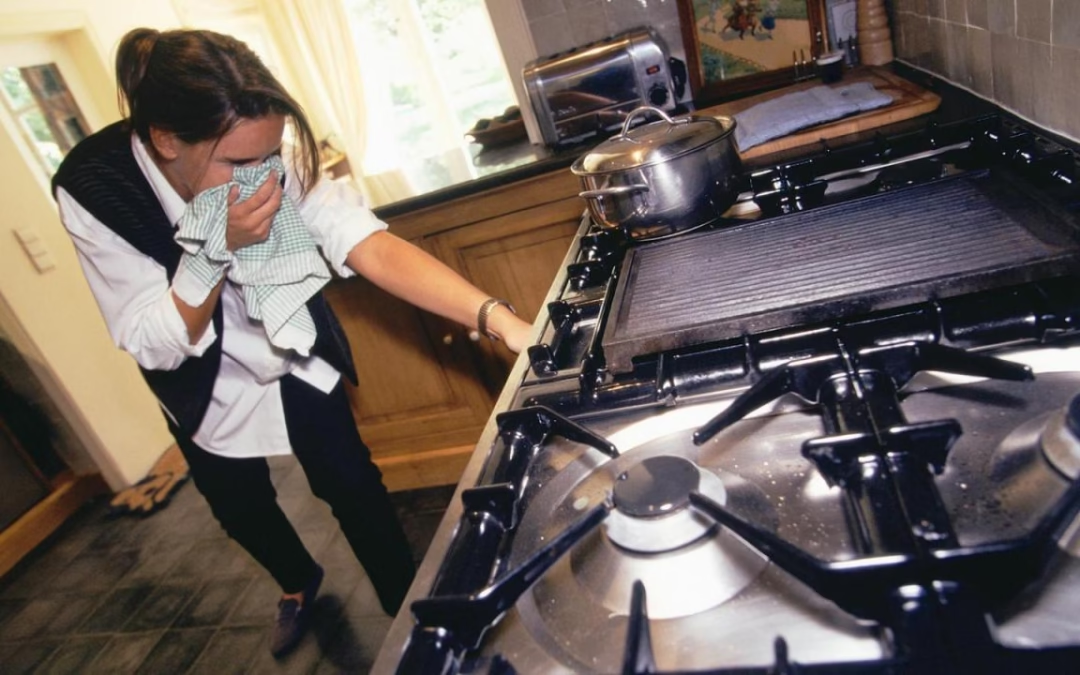
Finding yourself in a situation where you smell gas in your home in Central Florida is one of the most unsettling experiences a homeowner can face. In the Sunshine State, where the heat and humidity are constant, a gas leak isn’t just an inconvenience; it is a life-threatening emergency that demands immediate, decisive action. Whether you are in Orlando, Winter Park, or The Villages, understanding the risks and the proper protocols can be the difference between a minor repair and a catastrophic explosion.
At Always A Sweep, we are dedicated to your family’s safety and peace of mind. This comprehensive guide provides everything you need to know about detecting natural gas or propane, the immediate steps to take for your safety, and why professional intervention is the only safe way to handle a suspected leak.
In its natural state, both natural gas (delivered via underground pipes) and liquid propane (stored in tanks) are colorless and odorless. To ensure that homeowners can detect a leak before it reaches a dangerous concentration, gas utilities intentionally add a chemical called mercaptan. This chemical creates the unmistakable, pungent scent of “rotten eggs” or sulfur.
Recognizing this scent quickly is your first line of defense. If you detect this odor, it is a deliberate alert that gas is escaping from the system and potentially accumulating in your home. In the high-humidity environment of Central Florida, smells can sometimes linger or become trapped in pockets of stagnant air, making it vital to investigate even the slightest whiff of sulfur.
Pro Tip: If you have lost your sense of smell due to illness, ensure your home is equipped with UL-listed combustible gas detectors on every level of the house.
If you smell gas in your home in Central Florida, the heat isn’t the only thing to worry about; gas leaks can lead to asphyxiation or devastating explosions triggered by the smallest spark. When this energy is released uncontrollably in a confined space, the results are lethal. Your priority is immediate evacuation. Follow these seven critical steps:
Understanding where leaks commonly occur can help you identify risks during your annual safety inspections. In Central Florida, several appliances and environmental factors are often to blame:
At Always A Sweep, we frequently find that gas issues originate near the hearth. If you have a gas log set or insert, the pilot light or the thermocouple may malfunction. If the smell occurs primarily when you are near the fireplace, you likely have a seating issue with the gas valve or a hairline crack in the supply line.
In our region, salt-air corrosion is a major factor, particularly for homes closer to the coast or those with salt-chlorination systems. Outdoor pool heaters are often a source of leaks because the humid, salty air accelerates the degradation of gas fittings and metal components.
Small animals or rodents, common in Florida’s lush landscapes, may chew on gas line insulation or connections. Furthermore, Central Florida’s heavy rain and seasonal humidity can cause shifts in ground soil, potentially damaging buried lines or corroding seals.
Many homeowners are surprised to learn that their dryer is a common culprit for gas-related scares. If you have a gas-powered clothes dryer, it is connected to a “flex line.”
If your dryer vent is clogged with lint, the machine can overheat. This excess heat, combined with the mechanical vibrations of the drum, can cause the gas line to rub against the wall or the dryer chassis. Over time, this friction can wear a hole in the pipe. This makes professional Dryer Vent Cleaning a critical component of gas safety.
| Feature | Risk Factor | Safety Solution |
| Gas Line | Friction & Vibration | Flexible connectors & regular checks |
| Vent Pipe | Lint Build-up & Heat | Annual professional cleaning |
| Exhaust | Carbon Monoxide | Proper exterior termination |
In the age of online tutorials, it is tempting to think a “small” hiss can be fixed with a wrench and some pipe dope. We strongly discourage DIY gas repairs. According to the NFPA (National Fire Protection Association), gas-related incidents cause hundreds of millions in property damage annually. The risks are simply too high:
When you call a professional from Always A Sweep, they bring specialized tools and expertise that far exceed the capabilities of the human nose.
These combustible gas detectors can identify gas concentrations as low as 50 parts per million (ppm). This allows technicians to find leaks hidden behind walls, under flooring, or within the attic spaces common in Florida homes.
By isolating the gas system and applying air pressure, a technician can determine if the pressure drops over time. This is the gold standard for verifying the integrity of the entire system, indicating a leak even if it cannot be smelled yet.
For larger properties or commercial spaces, experts use sound waves to “hear” the high-frequency hiss of escaping gas that is inaudible to the human ear.
We don’t just “sweep” chimneys; we protect Florida homes.
Smelling gas in your Central Florida home is alarming, but acting with urgency and trusting the experts can prevent a tragedy. Natural gas is an incredible utility that powers our water heaters, stoves, and fireplaces, but it demands respect and professional handling.
Whether you have a suspicious scent near your dryer or want the peace of mind that comes with an annual whole-home safety inspection, Always A Sweep is here to help. We combine community-focused service with technical expertise to keep your home safe all year long.
Don’t gamble with your family’s safety. Contact Always A Sweep today to schedule your chimney, fireplace, or dryer vent evaluation and ensure your home’s gas-adjacent systems are operating at peak safety.

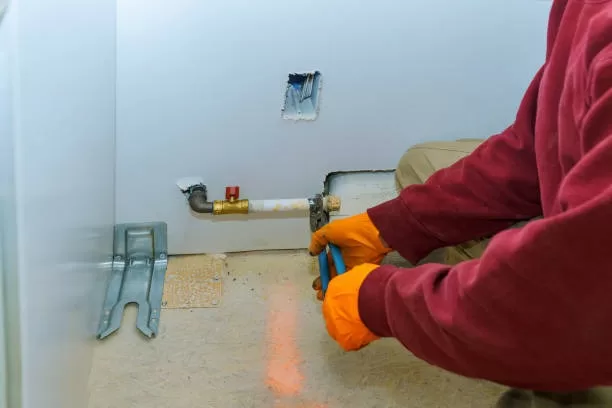
Understanding the gas line installation cost Ocala FL is the first step toward transforming your home with convenient, efficient natural gas. Whether you are adding a modern gas log set, a powerful standby generator, or connecting a new stove, the installation of a natural gas line installation fireplace or other appliance requires precision, mandatory permits, and professional expertise. This comprehensive guide from Always A Sweep—your local, licensed gas and hearth professionals—will provide a transparent breakdown of expected costs and, most importantly, detail the rigorous safety and compliance steps required in Central Florida to ensure a proven and safe installation.
Choosing natural gas over electric or propane offers significant advantages, including cost-effectiveness, reliability, and superior performance for cooking and heating. However, due to the inherent safety risks involved, gas line work is not a DIY project. It is a highly specialized service that requires specific licensure, pressure testing, and final certification from local authorities in Marion County and Ocala. We are here to guide you through every step, ensuring your project meets the highest standards.
Natural gas provides reliable, clean, and instant energy, making it a preferred choice for many homeowners seeking an upgrade. In Central Florida, where storm-related power outages are a reality, the reliability of a natural gas standby generator or a functioning gas fireplace can be crucial.
Connecting to a municipal gas line or setting up a dedicated propane system allows homeowners to benefit from:
The total gas line installation cost Ocala FL can vary widely based on the complexity and scope of the work, but typically ranges from $600 to $2,200 for a standard residential project, such as extending a line to a new appliance. The final price is determined by the length of the run, the materials used, and the difficulty of the routing.
For a highly accurate estimate based on your home’s unique layout, Always A Sweep provides no-obligation quotes after a site assessment. Contact our team for Gas Service installation details
| Project Scope | Typical Central FL Cost Range (Installed) | Cost Drivers |
| Line Extension (connecting nearby) | $11 – $22 per linear foot | Minimal pipe length, easy access (e.g., in an open attic or crawlspace). |
| New Line Installation (long run/complex) | $17 – $33 per linear foot | Requires longer runs, specialized materials (Black Iron), or major excavation/trenching. |
| Fireplace Connection | $500 – $2,000 Total | Cost to run the line to the firebox, including the necessary shut-off valve, connection fittings, and labor. |
For Central Florida homeowners, the most popular gas line project involves converting a wood-burning fireplace or adding a new gas appliance to the hearth. When considering a natural gas line installation fireplace conversion, the chimney specialist must ensure the system is not only safely piped but that the venting and combustion air requirements for the specific gas appliance are met—a service requiring dual expertise.
Gas line work is a critical, highly regulated field where cutting corners can be catastrophic. Choosing a qualified contractor who adheres to the Experience, Expertise, Authoritativeness, Trustworthiness principles is paramount, as proper installation is a matter of life safety. In Florida, this means adhering strictly to the Florida Building Code and safety standards, often governed by the National Fire Protection Association (NFPA) standards, to prevent leaks and carbon monoxide hazards.
For detailed state and national safety standards, including compliance requirements for fuel gas systems, refer to the NFPA’s safety codes for gas systems.
As CSIA-certified chimney professionals who also hold a Certified Category V Gas License (LI45277), Always A Sweep offers the rare combination of hearth expertise and gas piping proficiency—critical for safe fireplace conversion and maximizing efficiency. Our proven process ensures total safety and code compliance:
When dealing with a significant safety upgrade like a gas line, the experience of your installer directly relates to the safety of your family. Always A Sweep brings decades of combined expertise to every project, satisfying the highest standards.
Installing a new gas line for your fireplace or appliance is a significant, high-value upgrade that enhances your home’s comfort, efficiency, and safety. While researching the gas line installation cost Ocala FL is an important first step, prioritizing the experience, licensure, and safety record of your contractor is the most critical decision you will make. Trust Always A Sweep’s dual expertise in chimney and gas services to ensure your natural gas line installation fireplace project is completed safely, to code, and with guaranteed, proven compliance.
As fall temperatures arrive in Ocala, Florida, many homeowners begin evaluating their heating options for the cooler months ahead. While electric heating is common throughout Marion County, gas systems offer efficiency and reliability that make them increasingly attractive alternatives. The choice between propane and natural gas affects everything from installation costs to monthly bills and long-term home value.
Understanding the differences between these fuel sources helps Ocala homeowners make informed decisions about gas service installation. At Always A Sweep, we provide both propane tank installation and natural gas service connections throughout the region, helping families choose the best option for their specific needs and circumstances.
Natural gas availability varies significantly across Ocala and the surrounding areas. Homes in established neighborhoods like downtown Ocala often have access to natural gas lines from the utility company, making connection relatively straightforward. However, rural properties in areas like Silver Springs Shores or outlying parts of Marion County typically require propane systems due to the lack of existing gas line infrastructure.
The availability of natural gas service in your specific area often determines whether you have a real choice between fuel types. Homeowners should verify service availability through the local utility company before making heating system decisions. If natural gas lines don’t reach your property, propane becomes the practical choice for gas-powered heating, cooking, and hot water systems.
For properties where both options are available, the decision becomes more complex, involving considerations of cost, convenience, and long-term value. Each fuel type offers distinct advantages that appeal to different homeowner priorities and circumstances.
The installation process differs significantly between propane and natural gas systems, affecting both initial costs and ongoing convenience. Natural gas installation typically involves connecting to existing utility infrastructure, requiring gas meter installation and line connections from the street to your home. Professional installation and permits are mandatory, but the utility company handles main line connections and system pressurization.
Propane installation requires more comprehensive setup, including tank placement, concrete pad installation, and complete system independence from utility infrastructure. Homeowners can choose between tank rental and purchase options, each with different financial implications. Tank placement requires careful consideration of safety clearances, accessibility for delivery trucks, and aesthetic impact on your property.
Both systems require professional installation by certified technicians to ensure safety and code compliance. At Always A Sweep, we handle the complete installation process, including permits, inspections, and final system testing for both fuel types.
Operating costs vary based on local pricing, usage patterns, and system efficiency, making it important to understand the financial implications of each choice. Natural gas generally costs less per BTU than propane, but includes fixed monthly service charges regardless of usage. This creates predictable billing through utility companies, though prices remain subject to regional market fluctuations.
Propane costs more per BTU but includes no monthly service fees, meaning you pay only for gas consumed. Delivery scheduling becomes necessary, and prices vary by supplier and market conditions. Some suppliers offer bulk purchase discounts that can reduce overall costs for high-usage households.
Both fuel types burn efficiently in modern appliances, but propane produces more heat per cubic foot than natural gas, often requiring smaller equipment for equivalent heating capacity. This efficiency difference can offset some of the higher fuel costs, particularly for homes with high heating demands.
Both propane and natural gas require proper installation and maintenance for safe operation, but each system has specific safety considerations that Ocala homeowners should understand. Natural gas is lighter than air, causing it to rise and dissipate outdoors if leaks occur. Underground lines are protected from weather damage, and utility companies monitor main line pressure and handle major maintenance.
Propane is heavier than air, settling in low areas if leaks occur, which requires different safety precautions around basements and crawl spaces. Above-ground tanks are visible for inspection, giving homeowners direct oversight of their fuel storage. However, homeowners become responsible for tank maintenance and must schedule regular professional inspections.
Both systems use mercaptan additives to create detectable odors for leak detection. Professional installation, annual inspections, and prompt attention to any gas odors remain essential regardless of fuel type. Always A Sweep provides ongoing maintenance services to ensure continued safe operation of both propane and natural gas systems.
The choice between propane and natural gas affects home value, future flexibility, and resale considerations throughout Marion County. Natural gas generally increases home value in areas where service is available, as many homebuyers prefer the convenience of utility-provided gas service. The system requires no storage space on the property and benefits from utility company infrastructure maintenance.
Propane systems offer complete independence from utility company service, making them available regardless of location. This independence appeals to homeowners who prefer self-reliance or live in areas where natural gas service is unlikely to expand. Propane systems can be relocated if homeowners move, and they provide higher BTU content for efficient heating performance.
For Ocala homeowners, the best choice depends on location, budget, and personal preferences for independence versus convenience. Rural properties often benefit from propane’s flexibility, while established neighborhoods may favor natural gas convenience.
Whether you choose propane or natural gas, proper installation is essential for safety and performance. At Always A Sweep, our certified technicians provide complete gas service installation for both fuel types, ensuring your system meets all safety codes and manufacturer requirements.
Our gas installation services include:
We help Ocala homeowners evaluate their options and choose the gas system that best fits their needs and budget.
The decision between propane and natural gas depends on your specific circumstances, but professional installation is essential regardless of fuel type. Always A Sweep provides expert gas service installation throughout Ocala, Belleview, Dunnellon, Silver Springs Shores, and all of Marion County.
Our experienced team ensures your gas system operates safely and efficiently, whether you choose propane tank installation or natural gas service connection. Contact Always A Sweep today for professional consultation and installation services that keep your family warm and safe.
Is propane or natural gas better for Ocala homes? The best choice depends on natural gas availability in your area, budget, and personal preferences. We provide free consultations to help determine the optimal solution for your home.
How much does gas service installation cost in Ocala? Costs vary based on fuel type, distance from existing lines, and equipment requirements. Contact Always A Sweep for detailed estimates on both propane and natural gas installation.
Can I convert from propane to natural gas later? Yes, conversion is possible if natural gas service becomes available. However, it requires appliance modifications and new gas line installation by certified professionals.
Does Always A Sweep service both propane and natural gas systems? Yes, we provide installation, maintenance, and repair services for both propane and natural gas systems throughout Marion County.
The page you requested could not be found. Try refining your search, or use the navigation above to locate the post.
As fall arrives in Ocala, Florida, many homeowners begin preparing their heating systems and gas appliances for the cooler months ahead. While natural gas and propane provide reliable energy for heating, cooking, and hot water, undetected gas leaks pose serious safety risks to families across Marion County.
Gas leaks can lead to fires, explosions, and dangerous health effects from prolonged exposure. Unlike some home maintenance issues that develop slowly, gas leaks require immediate attention from trained professionals. At Always A Sweep, we specialize in gas leak inspection and gas service installation throughout Ocala, ensuring your home’s gas systems are safe and reliable.
Here are the five most important warning signs that every homeowner in Ocala should recognize.
Natural gas and propane are treated with a chemical called mercaptan, which creates a distinctive “rotten egg” smell. If you notice this odor near your furnace, water heater, stove, or outdoor gas meter, it may indicate a gas leak.
In Ocala’s humid climate, gas odors can sometimes be masked by other smells, making detection more challenging. If you smell gas:
Never ignore gas odors, even if they seem faint or intermittent.
Gas leaks underground can kill grass, shrubs, and plants along pipeline routes. If you notice dead or dying vegetation in a line or patch near your gas meter, outdoor appliances, or where you know gas lines run, this could signal an underground leak.
This is particularly important for Ocala homeowners with propane tanks or natural gas lines running through landscaped areas. Healthy plants that suddenly turn brown or die without explanation warrant immediate inspection by gas safety professionals.
A hissing or whistling sound coming from gas appliances, connections, or outdoor gas meters often indicates escaping gas. This sound may be subtle near indoor appliances or more noticeable around outdoor equipment.
Common locations where homeowners hear gas leaks include:
If you hear unusual sounds from any gas appliance, avoid using it and contact a certified gas technician for inspection.
An unexplained increase in your gas bill can indicate a leak somewhere in your system. While usage naturally varies with weather and household activities, a sudden spike without increased consumption may mean gas is escaping before reaching your appliances.
Ocala homeowners should monitor their monthly gas usage and investigate any significant changes. Early detection through bill monitoring can prevent small leaks from becoming major safety hazards.
Prolonged exposure to natural gas or propane can cause health symptoms that many people mistake for other conditions. Common signs of gas exposure include:
If multiple family members experience these symptoms at home but feel better when away, consider the possibility of a gas leak and schedule an immediate inspection.
Gas safety is not something to handle alone. Professional gas leak detection uses specialized equipment to locate leaks accurately and safely. At Always A Sweep, our certified technicians provide comprehensive gas leak inspection, gas service installation, and emergency repair services throughout Ocala and Marion County.
Our gas safety services include:
Don’t wait for a gas emergency to protect your family. Regular inspection helps catch problems early and ensures your gas systems operate safely all season long.
Gas leaks are serious safety hazards that require immediate professional attention. Whether you’ve noticed warning signs or want preventative inspection, Always A Sweep provides trusted gas safety services to homeowners throughout Ocala, Belleview, Dunnellon, Silver Springs Shores, and all of Marion County.
Our experienced team combines safety expertise with reliable service, giving you peace of mind that your home’s gas systems are operating safely. Don’t take chances with gas safety—contact Always A Sweep today for professional gas leak inspection and service.
How often should I have my gas appliances inspected in Ocala? Gas appliances should be inspected annually by a qualified technician. This helps identify potential leaks and ensures safe operation throughout the year.
What should I do if I smell gas in my Ocala home? Leave the area immediately, avoid using electrical switches, and call your gas company or a certified professional. Don’t attempt to locate the leak yourself.
Can Always A Sweep install new gas lines in Ocala? Yes, we provide complete gas service installation including new gas lines, appliance connections, and safety inspections throughout Marion County.
How much does gas leak detection cost in Ocala? Costs vary depending on the scope of inspection needed. Contact Always A Sweep for a free estimate on gas leak detection and repair services.

The urgent truth about your leaky chimney repair Ocala FL cost starts here. Discovering water damage can be alarming, especially in Central Florida where seasonal heavy rains and intense humidity challenge every structure of your home. A leak is not just an aesthetic...

Introduction: Your Chimney's Greatest Threat in Florida A professional water intrusion assessment is one of the most vital yet misunderstood services for any homeowner with a chimney, especially here in Central Florida. While fire is the hazard most people associate...
Why Ocala Homeowners Must Prepare Chimneys Before Hurricane Season Every summer and fall, residents across Ocala and Marion County brace themselves for hurricane season. Homeowners know the drill: board up the windows, reinforce the roof, trim trees, and stock up on...
Why Post-Storm Chimney Inspections Matter for Ocala Homeowners In Ocala, Florida, hurricane season leaves homeowners dealing with more than just fallen branches or roof leaks. Chimneys and fireplaces often sustain hidden damage that goes unnoticed until it becomes a...
Why Ocala Homeowners Should Add Chimney Cleaning to Their Hurricane Prep Checklist In Ocala, Florida, hurricane season brings high winds, heavy rains, and long power outages that can turn everyday comforts into survival necessities. While most residents focus on storm...
Fireplaces are a beloved feature in many homes across Ocala, Florida. As winter approaches, the warmth of a crackling fire becomes more than just comforting—it becomes part of daily living. However, many homeowners still rely on outdated or incorrect information when...
DIY projects are a great way to save money around the house, but when it comes to chimney cleaning, doing it yourself can be dangerous. Chimneys are more complex than they appear, and a mistake could lead to house fires, structural damage, or even carbon monoxide...
Why Ocala Homeowners Should Prioritize Chimney Cleaning Before Fireplace Season In Ocala, Florida, the arrival of cooler weather marks the beginning of fireplace season for many households. While enjoying a wood-burning fire can create a cozy and relaxing atmosphere,...
Your chimney does more than just enhance your home’s appearance—it plays a critical role in ventilation and safety. One of the most vulnerable components of your chimney system is the chimney crown, the protective slab at the very top. Unfortunately, many homeowners...
Roof leaks are one of the most frustrating and costly issues for homeowners. While damaged shingles often get the blame, a hidden but common cause of roof leaks is faulty chimney flashing. If the flashing around your chimney is worn, improperly installed, or missing,...