by Always A Sweep Team | Feb 9, 2026 | Gas leakage, inspections & sweeping, installation
Propane is a versatile and efficient energy source that powers a significant portion of the Florida lifestyle. From running luxury outdoor kitchens and pool heaters to providing critical backup power via home generators during hurricane season, its utility is unmatched. However, because propane is a high-pressure, highly flammable fuel, its storage and placement are governed by strict regulations.
For Florida homeowners, understanding safe propane tank placement is not just about passing an inspection, it is about protecting your family, ensuring your homeowners’ insurance remains valid, and complying with state law. This comprehensive guide explores the Florida Building Codes, NFPA 58 standards, and the critical reasons why professional installation is the only safe way to manage propane on your property.
Why Safe Propane Tank Placement is a Non-Negotiable Priority
Improperly placed propane tanks are more than just an eyesore; they represent a significant safety risk. In a state like Florida, where high temperatures and extreme weather are common, safe propane tank placement serves as the first line of defense against potential disasters.
The codes established by the state and fire officials are designed to mitigate several specific hazards:
- Fire and Explosion Prevention: Propane is highly flammable. If a leak occurs near an ignition source, such as an air conditioner compressor, a grill, or even a window, the risk of a fire or explosion increases dramatically.
- Vapor Behavior: Unlike some gases that dissipate upward, propane vapors are heavier than air. They tend to sink and pool in low-lying areas like crawlspaces or against foundation walls. Correct placement ensures leaked gas can disperse safely.
- Emergency Access: In the event of a fire, first responders must have clear, unobstructed access to the tank and its shut-off valves.
- Legal and Insurance Liability: Failure to follow the Florida Building Code can void your insurance policy. If an incident occurs and the tank was found to be in a non-compliant location, you could be held personally liable for damages.
Understanding Florida’s Propane Regulatory Landscape
In Florida, propane tank installation is heavily regulated through several layers of authority. This ensures that every safe propane tank placement follows rigorous engineering and safety standards.
NFPA 58 (Liquefied Petroleum Gas Code)
The primary standard followed in Florida is NFPA 58. This is a national safety standard adopted into the Florida Fire Prevention Code. It dictates the technical requirements for tank construction, piping, and, most importantly, separation distances.
The Florida Building Code – Fuel Gas
The 2023 Florida Building Code (8th Edition) integrates international standards while addressing the state’s unique environment, such as high water tables and limestone soil. Additionally, the Florida Department of Agriculture and Consumer Services (FDACS) oversees the licensing and enforcement of liquid petroleum (LP) gas regulations under Florida Statute Chapter 527.
Expert Insight: While state codes provide the baseline, local municipalities like Miami, Orlando, or Tampa may have additional zoning ordinances. Always consult with a licensed professional who understands local amendments.
The “Setback” Rules: Minimum Separation Distances
The most critical aspect of safe propane tank placement is the “setback”, the minimum distance a tank must be from structures, property lines, and ignition sources. These distances vary based on the size of the tank.
| Tank Capacity (Water Gallons) |
Distance to Buildings/Property Lines |
Distance to Ignition Sources (AC, Vents, etc.) |
| Small Tanks (<125g) |
5 – 10 feet |
10 feet |
| Residential Tanks (125–500g) |
10 feet |
10 feet |
| Large Tanks (501–2,000g) |
25 feet |
25 feet |
| Underground Tanks (up to 2,000g) |
10 feet |
10 feet |
Specific Clearance Rules for Openings
Tanks must be positioned far away from any “opening” where gas could enter. This includes:
- Windows and Doors: Typically 5 to 10 feet of clearance from any opening below the level of the tank’s relief valve.
- Mechanical Air Intakes: This includes dryer vents and air conditioner intakes.
- Crawl Spaces: Because propane pools, it must never be placed near vents leading to a crawl space.
Aboveground vs. Underground: Choosing Your Setup
Florida homeowners often choose between above ground and underground tank installations. Each has specific placement requirements.
Aboveground Tanks
These are common in Florida due to the high water table.
- Pros: Easier to inspect for rust and corrosion; generally cheaper to install.
- Requirement: They must be placed on firm, level concrete pads to prevent sinking into Florida’s sandy soil.
Underground Tanks
Preferred by homeowners who want to maintain backyard aesthetics.
- Pros: Only a small dome is visible; protected from extreme heat and high-velocity hurricane winds.
- Requirement: Must have cathodic protection to prevent soil minerals from corroding the metal. Even buried, they must maintain the 10-foot setback.
Florida Hurricane Preparedness and Environmental Factors
Florida’s weather adds a layer of complexity to safe propane tank placement. High winds and flooding are genuine threats to fuel stability.
Anchoring in Flood Zones
In coastal regions, tanks must be anchored. This is a vital Building Code requirement intended to prevent the tank from becoming buoyant and floating away during a storm surge. Anchoring involves bolting the tank to a concrete pad or using heavy-duty earth anchors.
Vegetation and Debris
Homeowners should keep a 10-foot “clear zone” around the tank. Ensure overhanging limbs do not fall and sever gas lines during a hurricane. Maintaining this area is a core part of long-term safe propane tank placement.
The Dangerous Myths of DIY Propane Projects
It may be tempting to save money by moving a tank yourself. However, in Florida, you cannot legally install a stationary propane tank without a license.
- Explosion Risk: A single loose fitting can lead to gas pooling, creating an invisible and deadly hazard.
- Pressure Testing: Professionals perform “leak down” tests required by law.
- Code Violations: Non-compliant DIY work can lead to heavy fines and the requirement to redo the entire project at your own expense.
To ensure your installation is safe and legal, follow this professional workflow:
- Site Survey: A technician evaluates your property and measures setbacks.
- Permitting: The installer handles the paperwork with the local building department.
- Installation and Anchoring: The pro ensures the tank is level and anchored against wind/floods.
- Final Inspection: A local authority must approve the system before it is activated.
Homeowner Maintenance Checklist
Once you have achieved safe propane tank placement, upkeep is vital.
- Annual Inspections: Have a pro check for corrosion and regulator issues.
- Keep it Clear: Maintain the 10-foot debris-free zone.
- Post-Storm Checks: If your property floods, do not turn the gas back on until a professional inspects the valves.
Frequently Asked Questions
Q: Can I store a 20lb grill tank in my garage?
No. All propane tanks must be stored outdoors in well-ventilated areas to prevent gas pooling in enclosed spaces.
Q: What if my yard is too small for the 10-foot setback?
A licensed professional can explore solutions like using smaller tanks or relocating gas equipment to meet safe propane tank placement standards.
Q: Do underground tanks need extra maintenance?
Yes. They require periodic testing of their cathodic protection system to ensure the soil isn’t corroding the tank.
Conclusion: Prioritizing Safety Over Shortcuts
Achieving safe propane tank placement in Florida is a combination of adhering to the law and exercising common sense. While propane is a powerful tool for modern home comfort, it demands respect. By following NFPA 58 standards and hiring licensed LP gas master technicians, you protect your property investment and your family.
For more information on home safety, venting systems, and professional compliance in the Sunshine State, visit AlwaysASweep.com, your trusted resource for residential safety.
by Always A Sweep Team | Jan 19, 2026 | inspections & sweeping, installation
Table of Contents
- The Heart of the Home for Fireplace Installation Services
- The Showdown for Wood-Burning and Gas Fireplaces
- Why Professional Expertise is Non-Negotiable
- The Technical Roadmap to Our Installation Process
- Florida Building Codes and Safety Regulations
- Environmental Sustainability in Modern Heating
- Cost Analysis for Investing in Your Orlando Home
- Solving the Humidity Challenge in Florida Installations
- Maintenance for Keeping Your Investment Safe
- Conclusion and Next Steps
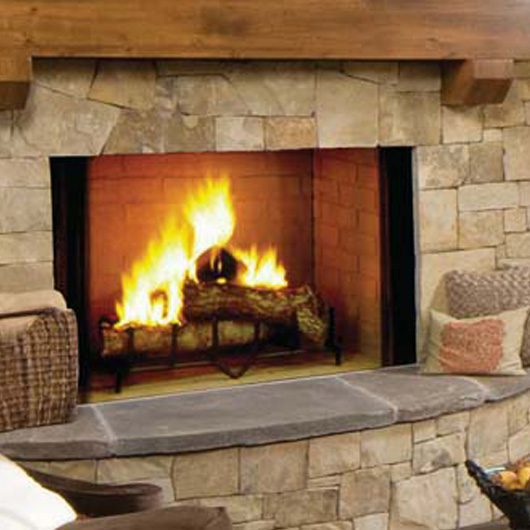
When it comes to enhancing the ambiance and value of your Florida home, professional installation services for wood-burning and gas fireplaces are the most powerful investment you can make. While Central Florida is famous for its heat, the cool winter evenings and the desire for a cozy indoor atmosphere make a fireplace a highly sought-after feature for modern homeowners.
At Always A Sweep, we understand that a fireplace is more than just a heating element; it is a complex structural centerpiece. Our installation services are designed to blend seamless aesthetics with rigorous safety standards. Whether you are building a new custom home in Lake Nona or renovating a historic bungalow in Thornton Park, the right fireplace transforms a room into a sanctuary.
Choosing between wood-burning and gas fireplaces is the most critical decision a homeowner will face. Each system has a unique set of requirements for installation services.
The Authentic Appeal of Wood-Burning Units
A wood-burning fireplace is the brilliant choice for purists. There is a primal satisfaction in the crackle of seasoned oak and the dancing orange flames that a gas unit can rarely replicate.
- Energy Independence: During hurricane season, power outages are common. A wood fireplace provides heat and light when the grid goes down.
- Aesthetic Flexibility: From traditional brick hearths to modern hanging steel units, wood fireplaces offer endless design potential.
The Modern Luxury of Gas Units
For the busy Orlando professional, gas fireplaces offer unparalleled convenience.
- Precision Control: Many modern units allow you to control flame height and heat output via a smartphone app.
- Cleanliness: No ash, no soot, and no need for wood storage, which can attract pests like termites—a major concern in Florida.
- Direct-Vent Technology: These can be installed in almost any room, including bedrooms and bathrooms, because they don’t require a traditional vertical chimney.
Why Professional Expertise is Non-Negotiable
Fireplace installation services involve high temperatures, combustible materials, and potentially lethal gases.
- Experience: Our team at Always A Sweep brings years of hands-on experience in the Orlando soil and climate conditions.
- Expertise: We are fully trained in both masonry construction and gas-line plumbing, a dual expertise that few competitors possess.
- Authoritativeness: We strictly follow the guidelines of the National Fire Protection Association (NFPA), the leading authority on fire safety codes.
- Trustworthiness: We believe in transparency. We provide detailed “DoFollow” links to third-party safety organizations like the Chimney Safety Institute of America (CSIA) so our clients can verify our methods.
The Technical Roadmap to Our Installation Process
When you hire us for installation services, you aren’t just getting a product; you are getting a precision-engineered system.
Step 1: The Site Assessment
We begin by evaluating the “footprint” of your home. For wood-burning and gas fireplaces, we must calculate the “throw” of the heat and ensure that the flooring can support the weight of a heavy hearth.
Step 2: Venting Design
This is the most technical part of our installation services. For wood-burning units, we install a flue that meets the “2-10 rule”—the chimney must be 2 feet higher than any part of the building within 10 feet. For gas units, we often use coaxial venting that brings fresh air in while pushing exhaust out.
Step 3: Gas Line Integration
If you choose a gas unit, our licensed professionals safely tap into your home’s propane or natural gas supply. We follow all protocols established by the American Gas Association (AGA) to ensure leak-free operation.
Florida Building Codes and Safety Regulations
In Orlando, installation services must comply with the Florida Building Code. These codes are updated frequently to account for high-wind events and seismic shifts.
Specifically, for wood-burning and gas fireplaces, the code dictates:
- Hearth Extensions: Must be made of non-combustible material and extend a specific distance to prevent floor fires.
- Clearance to Combustibles: The “mantel” and surrounding wood trim must be far enough from the opening to prevent ignition via radiant heat.
- Spark Arrestors: Every chimney in Florida should have a spark arrestor to prevent embers from landing on dry palm fronds or roof shingles.
Environmental Sustainability in Modern Heating
Many of our clients ask about the environmental impact of wood-burning and gas fireplaces. We are proud to offer EPA-certified products that minimize emissions.
- Secondary Combustion: Modern wood-burning units use “secondary tubes” to burn the smoke before it leaves the firebox, making them significantly cleaner than the fireplaces of the 1980s.
- Efficiency Ratings: Many of our gas installation services feature units with an AFUE (Annual Fuel Utilization Efficiency) rating of over 70%, meaning most of the fuel is converted directly into heat for your room.
For those curious about the science of clean burning, the Environmental Protection Agency (EPA) provides excellent resources on choosing the right appliance.
Cost Analysis for Investing in Your Orlando Home
While “cheap” installation services may seem tempting, they often lead to expensive repairs or safety hazards. Here is a breakdown of what to expect when investing in wood-burning and gas fireplaces:
| Fireplace Type |
Installation Range |
Maintenance Level |
| Traditional Wood |
$3,500 – $10,000+ |
High (Annual Sweep) |
| Direct-Vent Gas |
$2,500 – $7,000 |
Low (Annual Checkup) |
| Electric Insert |
$1,000 – $3,000 |
Minimal |
Investing in quality installation services from Always A Sweep increases your home’s equity. According to the National Association of Realtors (NAR), a fireplace is one of the top features that help a home sell faster in a competitive market.
Solving the Humidity Challenge in Florida Installations
Orlando’s 90% humidity poses a unique threat to wood-burning and gas fireplaces.
- Rust: Metal components in gas fireplaces can corrode if not properly treated.
- Efflorescence: Moisture can seep into masonry, leaving white, salty deposits on your beautiful new fireplace.
Our installation services include the application of professional-grade vapor barriers and moisture-resistant sealants to ensure your fireplace looks as good in ten years as it does on day one.
Maintenance for Keeping Your Investment Safe
Even after the best installation services, your journey doesn’t end.
- For Wood Fireplaces: You must use seasoned hardwood. Burning “green” wood creates creosote, a leading cause of chimney fires.
- For Gas Fireplaces: The glass assembly should be cleaned annually to prevent “white film” buildup from combustion byproducts.
We recommend all our clients visit the Hearth, Patio & Barbecue Association (HPBA) for tips on safe operation and seasonal decor ideas that won’t compromise your fireplace’s safety.
Conclusion and Next Steps
Choosing between wood-burning and gas fireplaces is a personal journey that blends style, safety, and functionality. By opting for professional installation services with Always A Sweep, you are ensuring that your home remains a safe, warm, and beautiful place for years to come.
Don’t leave your family’s safety to chance. Whether you are ready to install a brand-new unit or need a safety inspection on an existing one, our expert team is here to guide you.
by Always A Sweep Team | Jan 7, 2026 | Gas leakage, inspections & sweeping, installation
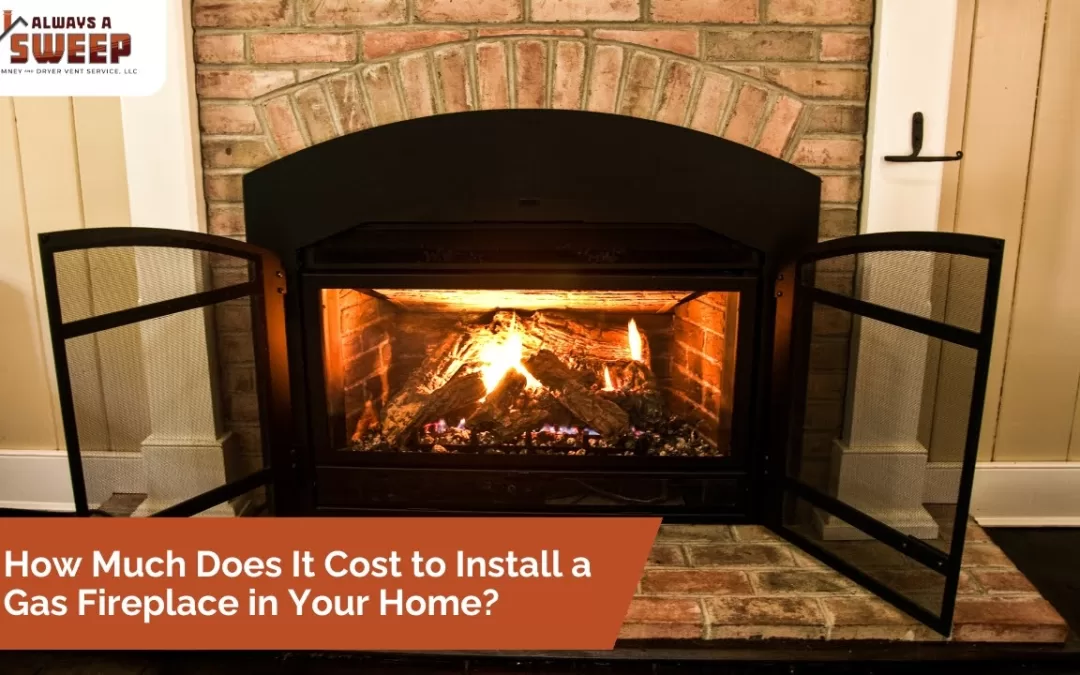
Understanding the gas line installation cost Ocala FL is the first step toward transforming your home with convenient, efficient natural gas. Whether you are adding a modern gas log set, a powerful standby generator, or connecting a new stove, the installation of a natural gas line installation fireplace or other appliance requires precision, mandatory permits, and professional expertise. This comprehensive guide from Always A Sweep—your local, licensed gas and hearth professionals—will provide a transparent breakdown of expected costs and, most importantly, detail the rigorous safety and compliance steps required in Central Florida to ensure a proven and safe installation.
Choosing natural gas over electric or propane offers significant advantages, including cost-effectiveness, reliability, and superior performance for cooking and heating. However, due to the inherent safety risks involved, gas line work is not a DIY project. It is a highly specialized service that requires specific licensure, pressure testing, and final certification from local authorities in Marion County and Ocala. We are here to guide you through every step, ensuring your project meets the highest standards.
Why Choose Natural Gas for Your Ocala Home?
Natural gas provides reliable, clean, and instant energy, making it a preferred choice for many homeowners seeking an upgrade. In Central Florida, where storm-related power outages are a reality, the reliability of a natural gas standby generator or a functioning gas fireplace can be crucial.
Connecting to a municipal gas line or setting up a dedicated propane system allows homeowners to benefit from:
- Instant Heat: Gas fireplaces, stoves, and water heaters provide immediate and highly controllable heat.
- Cost Efficiency: Natural gas is often significantly cheaper per BTU than electricity or propane, leading to lower utility bills over time.
- Reliability: Gas appliances continue to function during power outages (especially generators and certain fireplace models), providing essential heat and light.
The total gas line installation cost Ocala FL can vary widely based on the complexity and scope of the work, but typically ranges from $600 to $2,200 for a standard residential project, such as extending a line to a new appliance. The final price is determined by the length of the run, the materials used, and the difficulty of the routing.
For a highly accurate estimate based on your home’s unique layout, Always A Sweep provides no-obligation quotes after a site assessment. Contact our team for Gas Service installation details
Cost Breakdown to New Line vs. Extension
| Project Scope |
Typical Central FL Cost Range (Installed) |
Cost Drivers |
| Line Extension (connecting nearby) |
$11 – $22 per linear foot |
Minimal pipe length, easy access (e.g., in an open attic or crawlspace). |
| New Line Installation (long run/complex) |
$17 – $33 per linear foot |
Requires longer runs, specialized materials (Black Iron), or major excavation/trenching. |
| Fireplace Connection |
$500 – $2,000 Total |
Cost to run the line to the firebox, including the necessary shut-off valve, connection fittings, and labor. |
Factors Influencing the Final Price
- Distance and Pipe Sizing: The length of the run from the main meter/source to the new appliance is the largest cost factor. Furthermore, high-BTU appliances (like a pool heater or generator) require larger diameter pipes to ensure adequate gas flow, increasing material and labor costs.
- Access & Complexity: Routing a line through open spaces is significantly easier and cheaper than running it behind finished walls, under a concrete slab, or requiring extensive trenching in the yard.
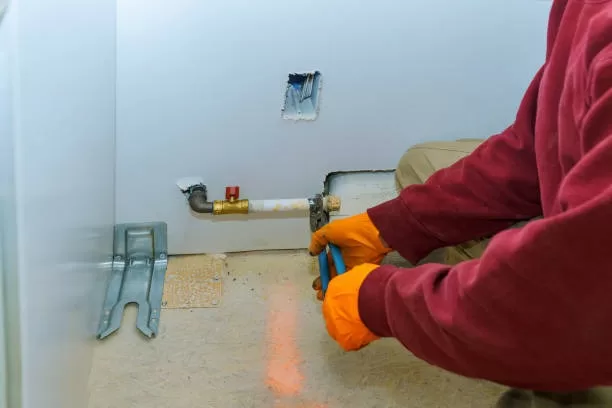
- Pipe Material: Licensed professionals use materials like Black Iron Pipe (common for interior lines), or Corrugated Stainless Steel Tubing (CSST), depending on the application. Each material has different costs and installation requirements.
- Permit Fees: Local permits for gas line work are mandatory in Marion County and typically add $100 to $300 to the total project cost, covering application and final inspection fees.
For Central Florida homeowners, the most popular gas line project involves converting a wood-burning fireplace or adding a new gas appliance to the hearth. When considering a natural gas line installation fireplace conversion, the chimney specialist must ensure the system is not only safely piped but that the venting and combustion air requirements for the specific gas appliance are met—a service requiring dual expertise.
Gas Logs vs. Inserts: Cost and Requirements
- Vented Gas Log Sets: These are primarily decorative, simulating a wood fire while requiring the damper to be open for proper venting. The cost for the gas line and appliance hookup typically ranges from $400 – $3,800 total (excluding the line itself). Crucially, vented logs must have an open, functional chimney flue.
- Direct-Vent Gas Inserts: These are high-efficiency, sealed systems that draw combustion air from the outside and vent exhaust directly through a dedicated pipe, making them highly efficient heaters. Total installation (insert unit, dedicated venting, gas line, and labor) is significantly higher, often averaging $7,200 – $8,800 or more, but provides reliable, safe heat.
- Vent-Free Gas Appliances: While these are allowed in some Florida regions, Always A Sweep strongly recommends fully vented or direct-vent appliances. Vented systems provide maximum safety by exhausting all combustion byproducts, giving your family greater peace of mind against carbon monoxide exposure.
Safety and Compliance: The Essential Principles
Gas line work is a critical, highly regulated field where cutting corners can be catastrophic. Choosing a qualified contractor who adheres to the Experience, Expertise, Authoritativeness, Trustworthiness principles is paramount, as proper installation is a matter of life safety. In Florida, this means adhering strictly to the Florida Building Code and safety standards, often governed by the National Fire Protection Association (NFPA) standards, to prevent leaks and carbon monoxide hazards.
For detailed state and national safety standards, including compliance requirements for fuel gas systems, refer to the NFPA’s safety codes for gas systems.
The Importance of Proper Permits and Inspections
- Permits are Not Optional: Any modification or installation of a home gas line requires a permit from the local building department in Ocala/Marion County. Licensed contractors manage this process on your behalf.
- Mandatory Pressure Testing: The most vital safety step is the rigorous pressure test. Licensed professionals must perform a pressure test on the newly installed line (typically 60 psi for 15 minutes) to detect even the slightest leak before the system is officially connected to the appliance and activated.
- Final Inspection: The final sign-off is done by a municipal inspector. This is the last and most critical step, ensuring the work is compliant with all local safety codes—a stamp of approval that guarantees your natural gas line installation fireplace is safe, legal, and insurable.
Gas Line Installation: From Consultation to Certification
As CSIA-certified chimney professionals who also hold a Certified Category V Gas License (LI45277), Always A Sweep offers the rare combination of hearth expertise and gas piping proficiency—critical for safe fireplace conversion and maximizing efficiency. Our proven process ensures total safety and code compliance:
- Site Assessment & Sizing: We measure the distance and precisely calculate the BTU demand of the new appliance. This step is non-negotiable, as using an undersized pipe for a high-demand appliance will result in poor performance and potentially dangerous pressure drops.
- Permit Acquisition: We handle all necessary permits with Ocala/Marion County authorities, saving you time and ensuring the project starts off in full compliance.
- Secure Installation: Utilizing Black Iron, CSST, or other code-compliant materials, the natural gas line installation fireplace is routed securely and efficiently, protecting the piping from damage.
- Pressure Testing & Sealing: Every weld, fitting, and connection is rigorously pressure-tested and certified to be leak-free before any walls are closed up or appliances are connected.
- Final Hookup & Certification: After the final municipal inspection is passed, the line is connected to the appliance (such as our premium Vented Gas Log Sets) and tested for final operation, providing you with certification documents.
Why Trust Always A Sweep with Your Gas Line Project
When dealing with a significant safety upgrade like a gas line, the experience of your installer directly relates to the safety of your family. Always A Sweep brings decades of combined expertise to every project, satisfying the highest standards.
- Experience & Expertise: Our history of service in Central Florida, dating back through a family legacy since 1982, gives us unparalleled experience in local home structures and gas system designs. Furthermore, holding the Certified Category V Gas License (LI45277) confirms our expertise in safe gas piping and appliance hookups.
- Authoritativeness: We are one of the few contractors in the Ocala area that combines CSIA chimney certification with gas licensure. This dual authority is crucial for fireplace work, where a plumber might miss a chimney venting hazard, and a chimney sweep might not be legally licensed for the gas pipe.
- Trustworthiness: We provide clear, guaranteed gas line installation cost Ocala FL estimates that include all permits and materials. Our commitment to pressure testing and local code inspection ensures every installation is transparently and legally certified for your home.
Frequently Asked Questions
Who should I hire to install a gas line in Ocala?
– You must hire a licensed and insured contractor who specifically holds a Gas Line Installation license (often a Mechanical or Plumbing license with a gas endorsement). Always A Sweep holds the necessary gas licensure and specialized chimney expertise for fireplace applications, offering unmatched safety and expertise.
– The cost typically ranges from $12 to $23 per linear foot installed for running a line to a fireplace, depending on the material and accessibility (e.g., running through a clear attic vs. drilling through brick).
Will a new gas line increase my home insurance premium?
– Generally, no. Adding a utility like a gas line is considered a safety and value-adding upgrade. Furthermore, having a gas line installed and certified by a licensed professional with the correct permits can prevent potential insurance issues down the road should a related incident occur.
How long does a natural gas line installation fireplace project take?
– Once permits are secured, the physical piping installation for a standard fireplace hookup can often be completed within one day. The entire process, including permitting, final inspection, and appliance setup, usually takes 5-10 business days.
Conclusion
Installing a new gas line for your fireplace or appliance is a significant, high-value upgrade that enhances your home’s comfort, efficiency, and safety. While researching the gas line installation cost Ocala FL is an important first step, prioritizing the experience, licensure, and safety record of your contractor is the most critical decision you will make. Trust Always A Sweep’s dual expertise in chimney and gas services to ensure your natural gas line installation fireplace project is completed safely, to code, and with guaranteed, proven compliance.
by Always A Sweep Team | Oct 14, 2025 | installation
Why Generator Installation Matters for Ocala Homeowners Year-Round
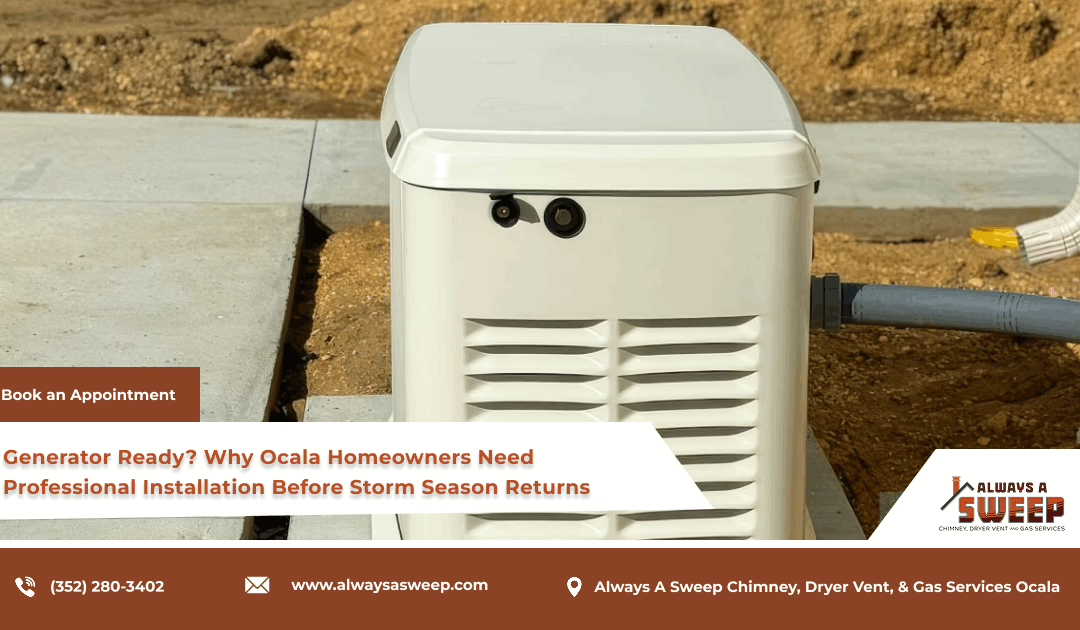
Living in Ocala, Florida means dealing with unpredictable weather throughout the year. While hurricane season officially runs from June through November, severe storms, lightning strikes, and power grid issues can cause outages any time. For many Marion County families, a backup generator isn’t just convenient—it’s essential for maintaining safety, comfort, and protecting valuable appliances during extended power losses.
However, generator installation is far more complex than many homeowners realize. Improper installation can create dangerous situations including carbon monoxide poisoning, electrical fires, and code violations that void warranties and insurance coverage. At Always A Sweep, we provide professional generator installation services that ensure your backup power system operates safely and reliably when you need it most.
Here’s what every Ocala homeowner should know about proper generator installation.
1. Electrical Connections Require Professional Installation
Many homeowners underestimate the complexity of connecting a generator to their home’s electrical system. Permanent standby generators require transfer switches, proper grounding, and electrical connections that must meet local building codes. DIY installations often result in dangerous backfeeding that can electrocute utility workers or damage your home’s electrical system.
Professional installation includes:
- Installing automatic transfer switches
- Proper electrical panel connections
- Code-compliant grounding systems
- Load calculation to prevent overloading
- Inspection and permits as required
In Ocala, electrical work must be performed by licensed professionals to ensure safety and compliance with Marion County building codes.
2. Gas Line Installation Needs Certified Technicians
Most whole-home generators run on natural gas or propane, requiring gas line installation or modification. Gas work is extremely dangerous when performed incorrectly, with risks including gas leaks, fires, and explosions. Licensed gas technicians understand proper sizing, pressure requirements, and safety connections for generator fuel systems.
Gas line considerations include:
- Proper pipe sizing for generator fuel demands
- Pressure testing to ensure leak-free connections
- Compliance with gas code requirements
- Integration with existing gas systems
- Emergency shutoff valve installation
Always A Sweep’s certified technicians handle both electrical and gas connections, ensuring your generator installation meets all safety standards.
3. Placement and Ventilation Are Critical Safety Factors
Generator placement affects both performance and safety. Units must be positioned to provide adequate ventilation while protecting against weather damage and theft. Improper placement can lead to carbon monoxide buildup, noise violations, or flood damage during storms.
Professional placement considerations:
- Minimum clearance distances from structures
- Protection from flooding and wind damage
- Adequate ventilation to prevent overheating
- Noise considerations for neighbors
- Security and accessibility for maintenance
Ocala’s climate and weather patterns require specific placement strategies that experienced installers understand.
4. Permits and Inspections Protect Your Investment
Generator installation typically requires permits and inspections in Marion County. Skipping this process can result in fines, insurance issues, and safety hazards. Professional installers handle the permit process and ensure installations pass required inspections.
The permit process typically includes:
- Electrical permit for transfer switch installation
- Gas permit for fuel line connections
- Building permit for concrete pads or structural work
- Final inspection to verify code compliance
Proper permitting protects your family and ensures your generator installation is legal and insured.
5. Maintenance Planning Starts with Installation
A properly installed generator requires regular maintenance to operate reliably during emergencies. Professional installation includes setting up maintenance schedules and ensuring easy access for service. Poor installation can make routine maintenance difficult or dangerous.
Installation should include:
- Accessible service panels and connections
- Clear maintenance access pathways
- Proper documentation and warranties
- Manufacturer registration and setup
- Initial testing and system verification
At Always A Sweep, we provide ongoing maintenance services to keep your generator ready when storms threaten Ocala.
Professional Generator Installation Services in Ocala
Generator installation involves multiple skilled trades and safety considerations that require professional expertise. At Always A Sweep, our certified team handles every aspect of generator installation, from initial planning through final testing and commissioning.
Our generator services include:
- Site evaluation and generator sizing
- Electrical and gas line installation
- Permit applications and inspections
- Concrete pad installation
- System testing and commissioning
- Ongoing maintenance and service
We work with leading generator brands and ensure installations meet manufacturer requirements for warranty coverage.
Trust Always A Sweep for Generator Installation in Ocala
Don’t wait for the next storm to realize your generator isn’t properly installed. Always A Sweep provides professional generator installation services throughout Ocala, Belleview, Dunnellon, Silver Springs Shores, and all of Marion County. Our experienced team ensures your backup power system operates safely and reliably when you need it most.
Whether you’re installing your first generator or upgrading an existing system, we provide the expertise and service quality that Ocala homeowners trust. Contact Always A Sweep today for professional generator installation that protects your family and home.
FAQs
Do I need permits for generator installation in Ocala? Yes, generator installation typically requires electrical, gas, and sometimes building permits in Marion County. Professional installers handle the permit process to ensure compliance.
How long does professional generator installation take? Most installations take 1-2 days depending on complexity. This includes electrical connections, gas lines, permits, and final testing.
Can Always A Sweep install generators that run on natural gas and propane? Yes, we install generators for both natural gas and propane fuel systems, including new gas line installation if needed.
What size generator do I need for my Ocala home? Generator sizing depends on your home’s electrical load and essential systems. We provide free consultations to determine the right size for your needs and budget.

by Always A Sweep Team | Sep 11, 2024 | installation, Always Home Repair Services
How Can You Ensure Compliance with Local Regulations During Wood Burning Installation?
Installing a wood-burning stove or fireplace can add warmth and charm to your home, but it also comes with responsibilities. One of the most critical aspects of this installation is ensuring that you comply with local regulations. Failure to do so can result in fines, legal issues, and potential safety hazards. At Always A Sweep, we understand the complexities of wood burning installations and are committed to helping you navigate these challenges. In this blog post, we will explore the steps you need to take to ensure that your wood burning installation complies with local regulations.
Risks of Non-Compliance
Installing a wood-burning stove or fireplace without adhering to local regulations can lead to a host of problems. Non-compliance not only puts you at risk of legal penalties but can also compromise the safety of your home. Local building codes and regulations are designed to ensure that wood-burning installations are safe, efficient, and environmentally friendly. Ignoring these rules can result in improper installations that pose fire hazards, lead to poor air quality, and reduce the overall efficiency of your heating system.
The consequences of non-compliance include:
- Legal penalties: Fines and enforcement actions by local authorities.
- Safety risks: Increased risk of fires, carbon monoxide poisoning, and other hazards.
Environmental impact: Non-compliant installations may contribute to pollution and poor air quality.
What are Local Regulations?
The first step in ensuring compliance with local regulations during a wood burning installation is understanding what those regulations entail. Building codes and regulations vary widely depending on your location, so it is essential to familiarize yourself with the specific requirements in your area. These regulations typically cover aspects such as the placement of the stove or fireplace, chimney height, clearance from combustible materials, and ventilation requirements.
Key areas to consider include:
- Building codes: Local building codes dictate the standards for wood burning installations, including safety and efficiency requirements.
- Zoning laws: Some areas may have zoning restrictions that limit where wood-burning stoves and fireplaces can be installed.
- Environmental regulations: Compliance with air quality standards and emissions limits is crucial to minimizing environmental impact.
Always A Sweep offers professional guidance to help you understand and navigate these local regulations. We can assist you in obtaining the necessary permits and ensuring that your installation meets all legal requirements.
Obtaining Necessary Permits
Before beginning any wood burning installation, you will likely need to obtain one or more permits from your local government. These permits ensure that your installation complies with all relevant building codes and safety standards. The permitting process may involve submitting detailed plans of the installation, scheduling inspections, and paying any associated fees.
Steps to obtaining permits include:
- Contact local authorities: Reach out to your local building department to determine which permits are required for your installation.
- Submit plans: Provide detailed plans of the installation, including the placement of the stove or fireplace, chimney, and ventilation system.
- Schedule inspections: Your installation may need to be inspected at various stages to ensure compliance with local regulations.
At Always A Sweep, we are familiar with the permitting process and can help streamline it for you. Our team will work with local authorities on your behalf to ensure that all necessary permits are obtained before installation begins.
Choosing the Right Location
Selecting the appropriate location for your wood burning installation is critical to compliance. Local regulations often dictate where a wood-burning stove or fireplace can be placed within a home. For example, there may be requirements regarding the distance from walls, ceilings, and other combustible materials. Additionally, the placement of the chimney must adhere to height and clearance requirements to ensure proper ventilation and prevent fire hazards.
Considerations for location include:
- Clearances: Ensure that the stove or fireplace is placed at a safe distance from combustible materials, as specified by local codes.
- Chimney placement: The chimney should be positioned to allow for adequate draft and to minimize the risk of smoke entering the home.
- Ventilation: Proper ventilation is essential for both safety and efficiency. Ensure that your installation meets ventilation requirements.
Always A Sweep can help you determine the optimal location for your wood burning installation, ensuring that it complies with all local regulations. Our experts will assess your home and provide recommendations to ensure a safe and compliant installation.
Installation of Proper Ventilation and Chimney Systems
A key component of any wood burning installation is the ventilation and chimney system. Local regulations often specify the type of chimney that must be used, its height, and its distance from other structures. Proper ventilation is essential to prevent the buildup of dangerous gases, such as carbon monoxide, and to ensure that the stove or fireplace operates efficiently.
Essential aspects of ventilation and chimney systems include:
- Chimney height: Regulations often require chimneys to extend a certain height above the roofline to ensure proper draft and dispersion of smoke.
- Flue size: The flue must be appropriately sized to match the stove or fireplace, ensuring efficient operation and reducing the risk of smoke entering the home.
- Air intake: Some installations may require an external air intake to provide adequate oxygen for combustion.
The professionals at Always A Sweep are experienced in installing chimney and ventilation systems that meet local codes. We use high-quality materials and follow best practices to ensure that your system is safe, efficient, and compliant.
Regular Inspections and Maintenance
Compliance with local regulations does not end once the installation is complete. Regular inspections and maintenance are essential to ensure that your wood burning stove or fireplace continues to operate safely and efficiently. Local codes may require periodic inspections of the chimney, flue, and other components to check for damage, blockages, or other issues that could pose a safety risk.
Key maintenance tasks include:
- Chimney cleaning: Regular cleaning is necessary to remove creosote buildup and prevent chimney fires.
- Flue inspection: Check the flue for any cracks, leaks, or blockages that could impair ventilation.
- Stove or fireplace inspection: Inspect the stove or fireplace for signs of wear, damage, or malfunction.
Always A Sweep offers comprehensive inspection and maintenance services to keep your wood burning installation in top condition. Our team will ensure that your system remains compliant with local regulations and operates safely year-round.
Environmental Considerations
Environmental regulations are increasingly influencing the installation and operation of wood-burning stoves and fireplaces. Many localities have implemented strict emissions standards to reduce air pollution and improve air quality. Compliance with these regulations often involves selecting EPA-certified appliances that meet specific emissions limits and using seasoned wood or other approved fuel sources.
Environmental compliance includes:
- EPA certification: Ensure that your wood-burning appliance is EPA-certified and meets emissions standards.
- Proper fuel use: Burn only seasoned wood or other approved fuels to minimize emissions and maximize efficiency.
- Smoke control areas: Be aware of any local smoke control areas that may have additional restrictions on wood burning.
At Always A Sweep, we are committed to environmentally responsible wood burning installations. We can help you select and install an EPA-certified appliance that complies with local emissions standards and contributes to cleaner air.
The Always A Sweep Advantage: Ensuring Compliance and Safety
At Always A Sweep, we understand the importance of complying with local regulations during wood burning installations. Our team of experienced professionals is dedicated to providing safe, efficient, and compliant installations that meet all legal requirements. We offer comprehensive services, from helping you navigate local regulations and obtain necessary permits to ensuring proper installation and ongoing maintenance.
Why choose Always A Sweep?
- Expert knowledge: Our team is well-versed in local building codes and regulations, ensuring that your installation is compliant.
- Comprehensive services: We handle everything from permitting to installation and maintenance, giving you peace of mind.
- Commitment to safety: We prioritize safety in every installation, using only the highest-quality materials and following best practices.
By choosing Always A Sweep for your wood burning installation, you are ensuring that your project is done right, from start to finish. Visit us at Always A Sweep to learn more about our services and how we can help you achieve a safe and compliant wood burning installation.

by Always A Sweep Team | Aug 30, 2024 | installation, Always Home Repair Services
What Maintenance Is Required After Installing a Ventless Gas Fireplace?
Ventless gas fireplaces have become increasingly popular among homeowners for their ease of installation, cost-effectiveness, and energy efficiency. These fireplaces offer a convenient alternative to traditional wood-burning or vented gas fireplaces, requiring no chimney or external venting. However, like any home appliance, ventless gas fireplaces require regular maintenance to ensure they operate safely and efficiently. At Always A Sweep, we prioritize educating our customers on the importance of proper maintenance to extend the life of their fireplaces and prevent potential hazards.
Understanding the Mechanism of Ventless Gas Fireplaces
Before discussing maintenance, it is important to understand how ventless gas fireplaces function. Unlike traditional fireplaces that rely on a chimney or vent to expel combustion byproducts, ventless gas fireplaces are designed to burn fuel more efficiently, producing minimal emissions. These fireplaces release combustion gases, including carbon dioxide and water vapor, directly into the living space. While this design enhances energy efficiency, it also requires careful maintenance to ensure safe operation.
- High-Efficiency Combustion: Ventless gas fireplaces are designed to burn fuel with near 100% efficiency, meaning almost all of the fuel is converted into heat.
- Byproduct Release: The lack of a chimney means combustion byproducts are released directly into the room, necessitating regular air quality monitoring.
Why Regular Maintenance is Non-Negotiable
The absence of a venting system in ventless gas fireplaces makes regular maintenance absolutely essential. Without proper upkeep, the fireplace may develop issues that could compromise both its performance and safety. Routine maintenance helps prevent the accumulation of harmful byproducts, ensures the fireplace operates efficiently, and prolongs the life of its components. Always A Sweep emphasizes the importance of regular inspections and maintenance checks to avoid costly repairs and ensure the safety of your home.
- Safety First: Proper maintenance is key to preventing the buildup of dangerous gases like carbon monoxide, which can be harmful or even fatal in high concentrations.
- Performance Optimization: Regular maintenance checks help ensure that your fireplace provides consistent and efficient heating, reducing energy costs over time.
The Importance of Routine Cleaning
Cleaning is one of the most crucial aspects of maintaining a ventless gas fireplace. Over time, dust, dirt, and debris can accumulate on the fireplace’s components, affecting its performance and appearance. Always A Sweep recommends a regular cleaning schedule to keep your fireplace running smoothly and looking its best.
- Cleaning the Burners: Dust and debris can block the burners, causing uneven flames or incomplete combustion. Use a soft cloth or vacuum attachment to clean the burners regularly.
- Log Maintenance: Ventless gas fireplaces often use ceramic logs that can accumulate soot over time. Clean these logs with a soft brush to maintain a realistic flame appearance.
Inspecting and Maintaining the Pilot Light and Ignition System
The pilot light and ignition system are vital to the operation of your ventless gas fireplace. A malfunctioning pilot light can lead to ignition problems, while an inefficient ignition system can cause delays in lighting the fireplace. Regular inspections of these components are necessary to ensure they are functioning properly. At Always A Sweep, we offer comprehensive inspection services to help you maintain these critical components.
- Pilot Light Maintenance: A steady, blue pilot light indicates that the gas flow is consistent and safe. If the pilot light flickers or changes color, it may be a sign of a problem with the gas supply.
- Testing the Ignition System: Ensure that the ignition system lights the fireplace quickly and efficiently. If you notice any delays or issues, it may be time to call in a professional for a thorough inspection.
Monitoring Indoor Air Quality and Ventilation
Since ventless gas fireplaces release combustion gases directly into the living space, monitoring indoor air quality is crucial. Poor air quality can lead to health problems, particularly in homes with inadequate ventilation. Always A Sweep advises homeowners to take proactive steps to ensure that their indoor air remains clean and safe.
- Carbon Monoxide Detectors: Install carbon monoxide detectors in the room where your ventless gas fireplace is located. These devices can alert you to dangerous levels of carbon monoxide, allowing you to take action before it becomes a serious problem.
- Improving Ventilation: Even though ventless gas fireplaces do not require a chimney, it is important to ensure that the room is well-ventilated. Consider using fans or opening windows to improve air circulation, especially during extended use of the fireplace.
Scheduling Professional Annual Inspections
While regular cleaning and basic maintenance can be performed by homeowners, a professional annual inspection is essential to ensure your ventless gas fireplace remains in optimal condition. Always A Sweep offers expert inspection services designed to identify potential issues before they become serious problems.
- Comprehensive Safety Checks: Our technicians will inspect all safety mechanisms, including the oxygen depletion sensor, to ensure they are functioning correctly.
- Performance Tuning: During the inspection, we will evaluate the overall performance of your fireplace and make any necessary adjustments to improve efficiency and safety.
Regular Gas Line and Connection Inspections
The gas line and connections are critical components of any gas fireplace, including ventless models. Regularly inspecting these parts can help prevent gas leaks, which can be dangerous. Always A Sweep recommends inspecting the gas line and connections at least once a year or whenever you suspect a problem.
- Leak Detection Tips: Check for signs of gas leaks, such as the smell of sulfur or a hissing sound near the gas line. If you detect a leak, turn off the gas supply immediately and call a professional.
- Ensuring Secure Connections: Over time, connections can become loose, leading to gas leaks. Regularly check to ensure all connections are secure and free of damage.
Replacing Worn-Out Components and Accessories
Over time, certain components of your ventless gas fireplace may wear out and require replacement. Keeping an eye on these parts and replacing them as needed is crucial to maintaining the efficiency and safety of your fireplace. Always A Sweep can help you identify worn-out components and provide expert replacement services.
- Thermocouple and Thermopile Replacement: These components are responsible for detecting the presence of the pilot light and ensuring the gas supply is safe. If they become worn or damaged, they may need to be replaced to ensure safe operation.
- Burner and Log Replacement: Burners and ceramic logs can wear out over time, affecting the appearance and performance of your fireplace. Replacing these components as needed will help maintain the realism of your fireplace and ensure it continues to operate efficiently.
Maintaining Aesthetic Appeal and Longevity
In addition to functional maintenance, it is important to preserve the aesthetic appeal of your ventless gas fireplace. Over time, the exterior and interior of the fireplace can become worn or discolored, detracting from its overall appearance. Always A Sweep offers maintenance tips and services to help you keep your fireplace looking as good as new.
- Exterior Cleaning: Regularly clean the exterior of your fireplace with a mild soap and water solution to remove dust and grime. Avoid using harsh chemicals that could damage the finish.
- Glass Door Maintenance: If your ventless gas fireplace has glass doors, clean them regularly with a glass cleaner designed for fireplaces. This will prevent soot buildup and ensure a clear view of the flames.
Long-Term Maintenance Strategies for Ventless Gas Fireplaces
Maintaining your ventless gas fireplace is an ongoing process that requires regular attention. By following a long-term maintenance strategy, you can ensure that your fireplace continues to operate safely and efficiently for years to come. Always A Sweep is here to support you every step of the way, offering expert advice and professional services to keep your fireplace in top condition.
- Seasonal Maintenance Tips: Before the start of each heating season, perform a thorough inspection and cleaning of your ventless gas fireplace. This will help you identify any issues that need to be addressed before the fireplace is used regularly.
- Ongoing Monitoring: Keep an eye on the performance of your fireplace throughout the year. If you notice any changes in the flame, pilot light, or overall operation, schedule a professional inspection as soon as possible.
Keep Your Ventless Gas Fireplace Safe and Efficient with Always A Sweep
Maintaining a ventless gas fireplace requires regular cleaning, inspections, and monitoring of indoor air quality. These maintenance tasks are essential to ensuring the safety, efficiency, and longevity of your fireplace. Always A Sweep is dedicated to helping you keep your ventless gas fireplace in top condition, offering professional services that provide peace of mind. By following a routine maintenance schedule and relying on expert advice, you can enjoy the warmth and ambiance of your ventless gas fireplace for many years.
Ready to ensure your ventless gas fireplace is in perfect working order? Contact Always A Sweep today at http://alwaysasweep.com/ for expert maintenance and inspection services.